What is Local SEO and How It Works (Complete Guide)

Local SEO means improving your business online so it appears when people search for nearby services or products. These searches often include a city name or words like near me, open now, or best. When local SEO is done correctly, more people can find you, contact you, visit your location, or book your service. It is one of the most effective SEO methods for businesses that serve a local area.
- What is Local SEO and How It Works (Complete Guide)
- 1. Understanding Local SEO
- 2. Why Local SEO Is Important
- 3. How Local SEO Works
- 4. The Core Local SEO Signals Search Engines Notice
- 5. Business Listing Basics
- 6. NAP Consistency and Local Citations
- 7. Reviews and Reputation Management
- 8. Local Keywords and On-Page Local SEO
- 9. Location Pages and Service Area Pages
- 10. Local Links and Local Brand Mentions
- 11. Local Technical SEO Basics
- 12. Tracking Local SEO Results
- 13. Tools to Help With Local SEO
- 14. Common Local SEO Mistakes
- 15. Frequently Asked Questions
- 16. Final Thoughts
1. Understanding Local SEO
Local SEO is the work you do to help your business appear for searches linked to a specific location. It helps when someone searches for a service in a city, in a neighborhood, or close to where they are right now. It also improves your visibility in map results, which many people use on mobile. The main purpose is simple: help nearby customers find you before they choose a competitor.
1.1 How Local SEO is different from general SEO
Local SEO helps your business show up when people search in a specific place, like a city, neighborhood, or near me area. General SEO is broader and focuses on ranking for topics that are not tied to a location. Local SEO depends more on signals like your business listing, address, and reviews, whereas general SEO depends more on content quality and overall website authority. That is why local SEO is strongly connected to local trust and consistency.
1.1 Who local SEO is for
Local SEO is useful for any business that serves customers in a specific area. This includes shops, restaurants, clinics, salons, gyms, and service businesses like plumbers, electricians, or cleaners. For example, a plumber in Texas can use local SEO to show up when someone searches “emergency plumber in Austin.” Local searches usually bring high-intent customers because they want quick results. If your customers come from nearby places, local SEO is essential.
1.2 Local SEO is not only a website thing
In many local searches, people decide just by reading the business listing. They check the rating, see the address, browse photos, and tap call or directions. This means your listing can bring leads even when your website is not opened. Your website still matters for deeper details like services, pricing, and trust, but the listing creates the first impression. A strong first impression improves clicks, calls, and visits.
1.3 The goal of local SEO
The goal is to make your business easy to understand and easy to choose. Customers should quickly see what you offer, where you are located, and how to contact you. Search engines also prefer clarity because they do not want to send users to the wrong place. When your information is complete and accurate, your business looks more reliable. When customers feel confident, they take action faster.
1.4 What local SEO is not
Local SEO is not about using shortcuts like adding extra keywords into your business name. It is also not about creating fake reviews or building many low-quality listings. These tactics may create short-term movement, but they can cause problems later. Local SEO works best when your information is correct and your customer experience is genuinely good. Long-term trust always beats quick tricks.
1.5 What good local SEO looks like
Good local SEO looks like a business that feels reliable at first glance. The listing is complete, the hours are correct, the phone number works, and reviews are real and recent. The website matches the same details and explains the service clearly. Customers can call, visit, or book without confusion. When everything feels organized and professional, results become more stable.
2. Why Local SEO Is Important
Local SEO is important because local searches often happen when people need a solution quickly. They are not always planning for weeks, they may want help today or this week. If your business does not appear, they usually choose another option in seconds. Local SEO helps you show up in these moments when customers are ready to act. This can directly increase calls, visits, and bookings.
2.1 Local searches bring high-intent customers
People searching locally often want to call, visit, or book soon. For example, they may need a clinic appointment, a repair service, or a nearby restaurant right now. This means local traffic is usually high quality because the person already has a clear need. If you show up at the right time, you can win that customer fast. Local SEO helps you reach people who are already close to buying.
2.2 Map results lead to quick actions
Map results are designed for fast decisions, especially on mobile. People can tap call, directions, and website in one place without extra steps. Many customers choose a business directly from the map section. If you appear there, you can get leads even if your website is simple. That is why the map section is a key part of local SEO.
2.3 Reviews strongly affect local decisions
In local searches, reviews are often the deciding factor. A business with strong reviews feels safer, so people choose it more often. Reviews also help search engines understand which businesses are trusted by real customers. If your reviews are good and recent, you usually get more clicks and more calls. More customer activity supports long-term growth.
2.4 Local SEO builds brand recognition in your area
When people keep seeing your business name in results, they start to remember it. Even if they do not contact you today, they may contact you later. This repeated visibility makes your business feel familiar and trustworthy. It can also lead to direct searches for your business name. Direct searches show strong interest and support long-term performance.
2.5 Local SEO supports long-term growth
Ads can stop the moment you stop paying, but local SEO can keep working longer. It takes steady work, but the results can last and improve over time. Once your listing is strong and reviews keep coming, you build momentum. This can help during slow seasons because search traffic continues. Local SEO becomes a long-term business asset.
3. How Local SEO Works
Local SEO works by helping search engines understand what your business offers and where it serves. It also helps search engines trust that your business details are real and correct. When your category, services, and location information are clear, you match the right searches more easily. When your reviews and overall reputation look strong, your business appears more reliable. When both clarity and trust are present, your chances of ranking locally improve.
Local SEO also improves when people take actions on your listing. If users click your listing, call you, and request directions, it shows your business is a good match. If users skip your listing or leave quickly, it looks less helpful. Search engines learn from these patterns over time. Better customer actions often lead to stronger local visibility.
3.1 Search engines understand local intent
When someone searches with a city name or near me, it shows they want a nearby option. Search engines then try to show businesses that match the service and the location. Your categories and service details help match the service part. Your address or service area helps match the location part. Reviews and activity help build the trust part. All these signals work together to decide who shows first.
3.2 Your listing often matters more than your homepage
For many local searches, the business listing appears before websites. People see the rating, hours, and phone number and decide quickly. If the listing looks incomplete or untrustworthy, people move on. If it looks complete and professional, people call faster. That is why the listing is a major driver of local SEO results.
3.3 Consistent details build trust
Search engines check your business details across the web. If the same name, address, and phone number appear everywhere, it looks reliable. If the details are different on different sites, it creates doubt. Doubt can reduce how often you show up in local results. Consistency is one of the simplest ways to strengthen local SEO.
3.4 Activity shows your business is active and reliable
Active businesses look more trustworthy than silent businesses. New reviews, updated photos, and correct hours show that you are open and serving customers. Users also trust active businesses more because they see fresh proof. This usually leads to more calls and more visits. Over time, steady activity supports stronger local results.
3.5 Real service quality supports local SEO
Local SEO is closely connected to real customer experience. If your service is good, customers leave better reviews and recommend you. If service is poor, negative reviews reduce trust quickly. Search engines want to show businesses that satisfy users. Good service makes everything else easier and more stable.
4. The Core Local SEO Signals Search Engines Notice
Search engines use local signals to decide which businesses should show at the top. These signals are like clues that tell them what you do, where you are, and how trusted you are. A business with clear information, strong reviews, and good local matching usually performs better. If your details are confusing or inconsistent, results often become weaker. The goal is to keep your business signals clean and trustworthy.
Local signals also help search engines match your business to the exact search. Even if you are nearby, you might not show if your services are unclear. That is why categories, service descriptions, and reviews matter so much. Local SEO is mostly about clarity plus trust. When both are strong, rankings become more stable.
4.1 Relevance
Relevance means how well your business matches what the person searched for. If someone searches for a dentist, your listing should clearly show dental services. Categories, service lists, and website content help search engines understand this. If you are not clear, you may appear less often. Clear relevance helps you reach the right customers.
4.2 Distance
Distance is about how close the user is to your location or service area. For shops, it is based on the business address shown in the listing. For service businesses, it depends on the areas you serve and how clearly you mention them. You cannot control where the user is, but you can clearly explain where you work. Clear coverage supports better matching and reduces confusion.
4.3 Trust and prominence
Trust comes from reviews, mentions, and overall reputation. Prominence means how well-known your business looks online. If many real customers review you and people mention your business, it shows you are established. This often leads to more clicks and more calls. Strong trust signals help local visibility grow over time.
4.4 Business details consistency
Consistency means your business name, address, and phone number match across different platforms. If the same details appear everywhere, search engines trust the listing more. If details conflict, it creates doubt and may reduce visibility. Customers also get confused when details do not match. Consistency protects both SEO and customer experience.
4.5 Engagement actions
Engagement means people interact with your listing by calling, clicking, and requesting directions. These actions show real interest and strong local intent. A listing that gets more engagement often looks more helpful. Helpful listings are more likely to be shown again. Better engagement also brings better business results.
4.6 Website support signals
A good website supports local SEO by matching the same business details and explaining services clearly. It helps customers understand what you do and what to expect. It also helps search engines confirm your services and service areas. If the website is confusing, customers leave quickly. A clear website supports trust and better conversions.
5. Business Listing Basics
Your business listing is one of the most important parts of local SEO. It shows your name, category, hours, contact options, photos, and reviews. Many people decide from this listing without opening the website. If it looks incomplete or outdated, you lose leads. If it looks accurate and well managed, you gain trust faster.
A listing also needs regular care to stay strong. Adding photos, responding to reviews, and keeping details updated helps your listing look active. Active listings often get more clicks and calls. More activity can support stronger performance in local results over time. Small updates done consistently usually work better than rare big updates.
5.1 Correct category selection
Your main category helps search engines know what type of business you are. It should describe your main service clearly and honestly. Choosing the wrong category can reduce relevance and bring the wrong customers. The right category improves your chances of showing for the right searches. This is one of the most important setup steps.
5.2 Adding services and descriptions
Services and descriptions explain what you offer in detail. Clear services help customers decide faster, especially when they compare options. They also help search engines understand your business better. Keep the wording simple and accurate, not overly promotional. Clarity builds trust quickly.
5.3 Business hours and special hours
Correct hours prevent lost visits and negative reviews. Holiday hours are also important because people search specifically on those days. If hours are wrong, customers may feel frustrated and lose trust. Updating hours is a simple fix with a big impact. Accurate hours support better customer experience.
5.4 Photos that build confidence
Good photos help customers feel comfortable choosing you. Add real photos of your location, team, work, products, or services. Clear photos often increase engagement because users like to check visuals before deciding. Updated photos also show the business is active. Activity helps trust.
5.5 Questions and answers
Many customers want quick answers about pricing, booking, parking, or delivery. Having clear answers reduces hesitation and speeds up decisions. You can also add common questions proactively. This improves experience for customers who are in a hurry. Less doubt usually means more calls and visits.
5.6 Regular checks for accuracy
Listings can change due to user suggestions or system updates. Sometimes the phone number, hours, or category gets changed wrongly. A quick monthly check protects you from these issues. Fix wrong details as soon as you notice them. Accuracy protects trust and revenue.
6. NAP Consistency and Local Citations
NAP means name, address, and phone number. Search engines compare these details across the web to confirm your business is real. If your details match everywhere, it builds confidence and supports better local visibility. If details do not match, it creates confusion and weakens trust. That is why NAP consistency is a core local SEO step.
Local citations are online listings that include your business details. These listings can be on business directories, industry platforms, and local websites. Citations help search engines confirm your location and contact info. They also help customers discover you on other platforms. Clean citations support stronger local performance.
6.1 Name consistency
Use one official business name everywhere. Avoid adding extra keywords or location words inside the name field. Inconsistent names can confuse search engines and customers. A clean name looks more professional. Professional listings build better trust.
6.2 Address consistency
Even small formatting differences can create mixed signals across websites. Try to keep the same address style everywhere. If you move, update your old address quickly to avoid confusion. Old addresses can lead to lost customers and negative experiences. Correct address details protect your results.
6.3 Phone number consistency
A stable phone number helps both customers and search engines trust your business information. Multiple numbers across different sites can confuse users and reduce calls. If you use call tracking, manage it carefully so your main number remains consistent. Consistency improves lead quality. It also protects long-term visibility.
6.4 Choosing quality citation sources
Not every directory is useful, so focus on trusted directories. Good directories are usually well-known platforms or strong industry websites. Low-quality directories often add no value and can be hard to maintain. A smaller clean list is better than many weak listings. Quality supports stability.
6.5 Fixing duplicates and wrong listings
Duplicate listings split trust signals and confuse customers. Wrong listings with old numbers or addresses can also harm your business reputation. Clean up duplicates and correct errors as early as possible. A clean online footprint looks more reliable. Reliability supports better local results.
6.6 Keeping citations updated
Local details can change, so citations need maintenance. Update phone, hours, address, and website links when anything changes. If you ignore updates, customers may get wrong information. Wrong information leads to lost leads and trust issues. Regular updates keep everything stable.
7. Reviews and Reputation Management

Reviews are one of the biggest decision factors in local search because they show real customer experience. When people compare businesses, they often choose the one that looks more trusted and more active. Search engines also use review signals to understand which businesses users prefer. If your reviews are strong and recent, your listing usually gets more clicks and calls. This is why reviews are a core part of local SEO.
Reputation management means getting reviews in a natural way and responding professionally over time. It is not only about having a high rating, it is also about showing consistency and care. Even a few thoughtful replies can improve trust because people see how you handle feedback. Over time, good reputation work supports stronger local visibility and stronger conversions. It is slow but very stable when done properly.
7.1 Getting reviews the right way
The best time to ask for a review is right after a good customer experience. If you wait too long, customers forget and you lose the chance. Keep the request simple and polite so it does not feel like pressure. A direct review link makes it easier, especially for mobile users. When reviews come naturally, they look more trustworthy.
7.2 Why recent reviews matter
Old reviews still help, but recent reviews show that your business is active today. Many customers check the latest reviews first because they want current proof. Search engines also notice steady review activity as a sign of a real business. If reviews stop for months, your listing can look less active. Small consistent review growth is better than sudden spikes.
7.3 Replying to reviews professionally
Replying to reviews shows you pay attention and you care about customer experience. For positive reviews, a short thank-you reply builds goodwill and looks professional. For negative reviews, stay calm and focus on solving the issue, not arguing. Even if the review is unfair, your reply is mainly for future customers reading it. A polite reply can protect trust even during criticism.
7.4 Using review content to improve your service
Reviews are not only for marketing, they also show what customers notice most. If people praise your speed, quality, or friendliness, those are strengths to highlight. If people complain about delays or communication, those are areas to fix. Improving real service often leads to better reviews naturally. Better reviews then support better local SEO performance.
7.5 Example using a US state
Imagine you run a home cleaning service in Florida and many customers mention “on-time and professional” in reviews. That language helps new customers trust you faster because it matches what they want. If your competitors in Florida have fewer recent reviews, your listing may look more active and safer to choose. This simple review advantage can increase calls without changing your website. Local SEO often improves when trust improves.
7.6 What to avoid with reviews
Avoid asking for fake reviews because they can damage trust and create risk. Avoid offering gifts or money for reviews because many platforms do not allow it. Also avoid only asking happy customers once a year, because local trust needs steady activity. Focus on real customers and consistent requests. Clean review growth always works better long term.
8. Local Keywords and On-Page Local SEO
Local keywords are the words people type when they want a service in a specific place. These searches often include a city, a neighborhood, or a state name. Local SEO becomes stronger when your website clearly mentions what you do and where you do it. This helps search engines match your pages with the right local searches. It also helps customers instantly know they are in the right place.
On-page local SEO means improving your pages so they clearly communicate your service and location. It includes simple things like page titles, headings, service descriptions, and contact details. The goal is not to repeat a city name many times, the goal is to be clear and helpful. When your page answers local questions and builds trust, people stay longer. Strong engagement supports stronger rankings over time.
8.1 Understanding local search intent
Local intent usually means the person wants a nearby solution, not general information. For example, someone searching “dentist in California” may be comparing options across a state, while “dentist in San Diego, California” is more specific and often more ready to book. Your website should match the level of intent with the right page type. Clear intent matching improves your chances of appearing. It also improves conversions because the page fits the search.
8.2 Where local keywords should appear naturally
Local keywords work best when they appear in the page title, main heading, and early part of the content. They should also fit naturally in service descriptions and contact sections. For example, “roof repair in Texas” can be too broad, but “roof repair in Houston, Texas” is clearer for users. Keep it readable and avoid forced repetition. A natural tone builds trust faster.
8.3 Local titles and meta descriptions
Your title should clearly say the service and the location so users know it matches their search. A good example is “Emergency Plumber in Austin, Texas | 24/7 Service” because it is clear and action-focused. The meta description should briefly explain what you offer and why someone should choose you. Keep it simple, accurate, and helpful, not exaggerated. Clear titles often improve clicks from search results.
8.4 Local content that answers local questions
Local pages perform better when they answer practical questions that customers in that area care about. For example, a moving company in New York can mention common challenges like building rules or parking permits in some areas. A clinic in California can mention appointment timing and what to bring for first visits. These details help users feel understood and reduce doubt. Helpful details can also reduce quick exits.
8.5 Using states the right way
Using a state name can help when your service area is wide or when people search at a state level. For example, a legal service might target “business lawyer in Illinois” while also having pages for Chicago and nearby areas. A delivery service might target “same-day delivery in Arizona” plus pages for Phoenix and surrounding cities. The key is matching your real service coverage. Do not claim you serve a whole state if you only serve one city.
8.6 Avoiding keyword stuffing
Keyword stuffing means repeating the location too many times in a way that looks unnatural. It makes pages harder to read and can reduce trust for users. Search engines also prefer natural writing that helps users, not pages that feel forced. Keep your language smooth and focus on clarity. One clear mention in the right places is usually enough.
9. Location Pages and Service Area Pages
Location pages are pages built to serve customers in a specific place, like a city or a region. These pages help you show up for searches tied to that location. They also help customers feel confident because the page speaks to their area directly. A good location page feels real and helpful, not copied and edited. When done well, location pages can bring steady local leads.
Service area pages are useful when you travel to customers instead of serving from one storefront. These pages explain where you provide service and what customers in that area can expect. The goal is to make it easy for search engines and users to understand your coverage. If the coverage is unclear, you may miss good searches. Clear service area pages reduce confusion and improve conversions.
9.1 When you should create location pages
Location pages are useful when you truly serve multiple areas and each area has enough demand. They are also useful when your business has multiple branches in different cities. If you only serve one area, one strong local page is often enough. The goal is quality, not quantity. Too many weak pages can dilute your site.
9.2 What a strong location page includes
A strong location page explains your service clearly and adds local details that feel genuine. It should include what you do, who it is for, and how to contact you. It should also include practical info like service hours, nearby coverage, and common customer questions. The page should feel like it was written for that place. When it feels local, users trust it more.
9.3 Avoiding copy-paste pages
Copy-paste pages are pages where only the city or state name changes and everything else is the same. Users can notice this quickly, and it can reduce trust. Search engines also prefer pages that offer unique value, not repeated text. If you create multiple pages, each one should add something real. Even small local details can make a page feel unique.
9.4 Example using a US state
Imagine you run a pest control business that serves several cities in Arizona. Instead of making one vague page, you can make a main Arizona service page and then create helpful pages for Phoenix, Mesa, and nearby areas. Each page can mention common local issues like seasonal pests and typical service timing. This makes the pages more useful and more believable. It also helps search engines match you with different local searches.
9.5 Service area clarity for mobile users
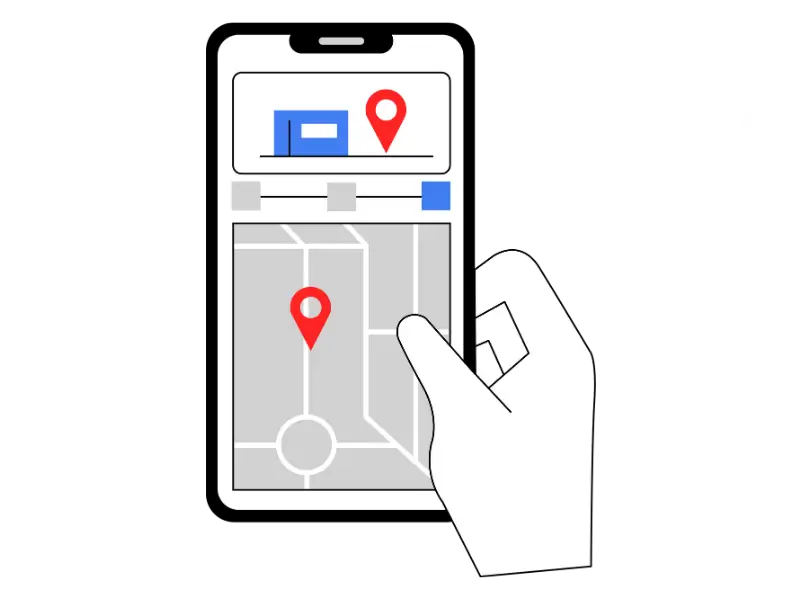
Mobile users often want quick confirmation that you serve their area. If the service area is hidden or unclear, they may exit and call someone else. Your location and coverage should be easy to find near the top of the page. A simple line like “Serving Dallas and nearby areas in Texas” helps instantly. Clear coverage improves both trust and leads.
9.6 Internal linking between location pages
If you have multiple location pages, they should connect in a simple way. Your main service page can link to city pages, and city pages can link back to the main service page. This helps users move around easily and helps search engines understand the structure. It also keeps navigation clean for mobile visitors. A clear structure supports better overall local performance.
10. Local Links and Local Brand Mentions
Local links are links from other local websites to your site, like local news sites, community blogs, chambers of commerce, and partner businesses. These links help because they act like local recommendations. They also bring real traffic from people in your area. Search engines often view local links as strong trust signals for local rankings. A few real local links can be more valuable than many unrelated links.
Brand mentions are times when people talk about your business online even without linking to your website. Mentions can still build trust because they show your business is known. Local mentions often happen in community posts, event pages, local directories, and social pages. When mentions and links grow naturally, your local authority improves. This supports stronger map and local search visibility.
10.1 Earning links through partnerships
Partnerships are one of the easiest local link sources because they come from real relationships. Vendors, suppliers, and business partners often have websites that can mention you. A testimonial can also be a simple way to earn a link. Keep it genuine and focused on real experience. Real partnerships create clean, low-risk links.
10.2 Community involvement and events
Local events create natural online mentions and sometimes local links. Sponsoring a community event, participating in a local fair, or supporting a school program can lead to mentions on event websites. These mentions look natural and local. They also improve brand awareness in your area. Local visibility often grows when real community presence grows.
10.3 Local PR and local news coverage
A small story can become local PR if it is real and useful to the community. Examples include a new store opening, a local milestone, or a community project you supported. Local news sites and local blogs may mention you if the story is relevant. Even one local news mention can build trust quickly. It also creates a strong local signal to search engines.
10.4 Local directories that actually matter
Some local directories are trusted and can help customers find you. The key is choosing directories that real people use, not random low-quality sites. Industry directories can also help if they are respected. These listings also support NAP consistency, which helps local SEO. A smaller clean set of directories is usually better than many weak ones.
10.5 Example using a US state
Imagine you own a wedding photography business in California and you partner with local venues. If a venue in California lists you as a recommended photographer with a link, that link is highly relevant. It also sends direct customers who are ready to book. Search engines see it as a strong local recommendation. This type of link builds local trust naturally.
10.6 Avoiding risky link shortcuts
Avoid paying for random links that have no local connection. Avoid low-quality blog networks and spam listings because they do not build real trust. Local SEO works best when links and mentions come from real local activity. Clean links protect your reputation and your rankings. Slow and steady usually wins long term.
11. Local Technical SEO Basics
Local technical SEO means making sure your website works smoothly for local visitors and is easy for search engines to understand. Many local visitors come from mobile, so speed and usability matter a lot. If pages load slowly or break on phones, people leave quickly. Search engines notice these poor signals over time. A smooth site supports both better rankings and better leads.
Local technical basics are usually simple improvements that remove friction. This includes making sure your contact information is easy to find, pages load quickly, and your site is mobile-friendly. It also includes making sure important pages can be found and understood easily. You do not need advanced technical skills to improve the basics. Regular checking and simple fixes can make a big difference.
11.1 Mobile-friendly layout
A mobile-friendly page fits the screen and is easy to tap and read. Text should not be tiny, and buttons should not be crowded. Most local searches happen on phones, so mobile experience often decides whether you get the lead. If the page feels hard to use, users leave. A clean mobile design supports better conversion rates.
11.2 Page speed for local visitors
Speed matters because local users often want quick answers and quick actions. Heavy images, large scripts, and slow hosting can delay loading. Even a few seconds can cause users to go back and choose another result. Faster pages improve user satisfaction and reduce drop-offs. Better satisfaction supports better local performance.
11.3 Clear contact details on every key page
Local visitors often want to call, visit, or request directions quickly. Your phone number should be easy to find and clickable on mobile. Your address should be consistent with your listings and easy to copy. If contact info is hidden, leads drop. Clear contact details improve trust instantly.
11.4 Structured information that matches your listing
Your website should match your listing details so there is no confusion. If your listing shows one address but your website shows another, trust drops. Service hours and phone numbers should also match. Consistency helps search engines and helps customers. Matching details reduce lost leads and complaints.
11.5 Avoiding broken pages and confusing navigation
Broken pages frustrate users and waste search engine crawling time. Confusing menus also reduce leads because users cannot find services quickly. Keep navigation simple and make sure your main service pages are easy to reach. A clean structure supports better browsing on mobile. Better browsing often leads to better conversions.
11.6 Example using a US state
Imagine a towing service in Texas that gets most calls from mobile searches. If the website loads fast, shows a big click-to-call button, and clearly states “Serving Houston, Texas,” more visitors will call quickly. If the site is slow and the phone number is hard to find, those calls go to competitors. The difference is often small technical basics, not big marketing changes. Local SEO improves when the customer path is simple.
12. Tracking Local SEO Results
Tracking local SEO helps you understand what is working and what needs improvement. Local results can change based on updates, competition, and customer activity, so regular tracking keeps you prepared. You should track both visibility and real actions like calls, direction requests, and form leads. When you measure results, you stop guessing and start improving with confidence. Over time, tracking helps you build steady growth instead of random ups and downs.
Tracking also helps you notice problems early before they become big. For example, a sudden drop in calls may happen because your hours changed, a listing got edited, or reviews slowed down. If you track weekly, you can catch these issues quickly and fix them. Local SEO is about steady trust, so steady monitoring matters too. Simple tracking habits often protect your business more than complex tactics.
12.1 Tracking map visibility
Map visibility means how often your business appears in local map results for important searches. It is useful to track which keywords trigger your listing and how your position changes over time. Even small position improvements can increase calls because users usually contact the top options first. Tracking visibility helps you see whether your work is improving your reach. This makes it easier to plan the next steps.
12.2 Tracking calls, directions, and messages
Local SEO is valuable because it drives actions, not just website visits. Track how many calls come from your listing and how many people request directions. If you offer messaging, track those messages too because they show buying intent. These actions are often stronger than general traffic because users are ready to contact you. When actions rise, local SEO is usually moving in the right direction.
12.3 Tracking website traffic from local sources
Your website can still play a big role in conversions, especially for services, pricing, and trust building. Track visits that come from your listing and local searches so you know which pages customers use most. Pay attention to pages that get traffic but do not convert well. Improving those pages can increase leads without needing more traffic. This is a simple way to improve results faster.
12.4 Tracking reviews and rating trends
Track how many new reviews you get each month and whether your rating stays stable. Review growth affects trust and can also affect click rates from the map section. If review activity slows, visibility can also slow because your business looks less active. Tracking reviews helps you build a steady review habit. Steady review growth is a strong local advantage.
12.5 Tracking keyword performance by city or state
Local ranking can change depending on where the user is searching from. Track your main keywords in the areas that matter most to your business. For example, you might track “roof repair in Dallas, Texas” instead of only “roof repair.” City-based tracking shows real local performance better. This helps you focus on the searches that bring customers.
12.6 Tracking competitors in your area
Competitors can gain reviews, improve listings, or run local campaigns that change the map results. Tracking competitors helps you understand why rankings move and what you can improve. You can compare review count, photos, category choices, and website quality. This is not about copying, it is about understanding the local market. Knowing the market helps you stay competitive.
13. Tools to Help With Local SEO
Local SEO tools help you find issues faster and measure results more clearly. Some tools help with listings, some help with website performance, and some help with local rankings. You do not need every tool, but a few reliable ones can save a lot of time. Tools are most helpful when you use them regularly, not only once. Consistent tool usage leads to consistent improvements.
Tools also help you avoid blind spots that you may not notice manually. For example, your listing may show different details on different directories, or your site may load slowly on mobile. A good tool can point out the exact problem so you can fix it quickly. The goal is not perfect scores, the goal is practical improvement. When tools guide your fixes, local SEO becomes easier to manage.
13.1 Google Business Profile
Google Business Profile is the core tool for many local businesses because it controls important listing details. It helps you update hours, add services, upload photos, and respond to reviews. It also shows insights like calls, direction requests, and website clicks. Keeping this profile active supports stronger trust signals. It is one of the most important local SEO tools.
13.2 Google Search Console
Search Console helps you understand how your website performs in search results. You can see which queries bring traffic and which pages get clicks. It can also show indexing issues that may stop key pages from appearing. For local SEO, it helps you confirm that local pages are visible and working. Regular checks can prevent hidden problems.
13.3 Google Analytics
Google Analytics helps you track what visitors do after they land on your site. You can see which pages people visit, how long they stay, and whether they contact you. This helps you improve pages that get local traffic but do not convert well. It also helps you see which devices people use most. Better insights lead to better decisions.
13.4 PageSpeed Insights
Page speed matters a lot in local SEO because many users search on phones. PageSpeed Insights helps you find speed problems like heavy images or slow loading scripts. It also gives suggestions to improve performance. Faster pages reduce drop-offs and improve trust. Speed improvements often boost leads too.
13.5 Local rank tracking tools
Rank tracking tools help you see local keyword positions from specific areas. This is important because local rankings change based on city and distance. A tracking tool can show how you perform in different parts of a state or city. For example, a business in California may rank differently in Los Angeles vs nearby suburbs. Local tracking helps you understand real visibility.
13.6 Citation and listing management tools
Listing tools help you check whether your business details match across directories. They can also help you find duplicate listings and incorrect phone numbers or addresses. This saves time when you have many listings to manage. Clean listings reduce confusion for customers. Consistent listings support stronger local trust.
13.7 Review monitoring tools
Review tools help you monitor new reviews across platforms in one place. They can alert you when a review comes in so you can respond quickly. Quick replies show professionalism and care. They also help you spot reputation issues early. Reputation management becomes easier with consistent monitoring.
13.8 Simple tools for daily checks
Sometimes simple tools are enough, like a spreadsheet for tracking reviews and a monthly checklist for listing accuracy. You can also use your phone to test your site and listing like a real customer. Searching your main services in your area is a simple but powerful habit. Simple routines prevent many issues. Local SEO improves when small checks are done consistently.
14. Common Local SEO Mistakes
Local SEO mistakes usually happen when businesses try to do everything quickly or copy what others do without thinking. Many mistakes do not look serious at first, but they can reduce trust and visibility over time. The good news is that most mistakes are easy to fix once you notice them. Local SEO rewards accuracy, consistency, and real customer care. Avoiding common mistakes can protect your results.
Mistakes also cost real money because local search traffic is often ready to buy. If your phone number is wrong or your hours are outdated, you can lose customers instantly. If reviews are ignored, you can lose trust quickly. Local SEO is not about doing one big thing once, it is about keeping things clean. When you avoid mistakes, growth becomes smoother.
14.1 Wrong or inconsistent business information
Inconsistent name, address, or phone number confuses both users and search engines. Customers may go to the wrong location or call the wrong number. Search engines may reduce visibility when they see mixed signals. Keep details consistent everywhere. One clean profile is better than many messy ones.
14.2 Ignoring reviews or replying badly
Ignoring reviews makes the business look inactive, especially if recent reviews have no replies. Replying emotionally to negative reviews can also hurt trust. A calm and helpful reply shows professionalism. Even short replies can improve customer confidence. Reviews are part of local SEO and part of customer service.
14.3 Using keyword tricks in business names
Adding extra keywords into the business name can create risk and also looks unprofessional to many users. Search engines want real business names, not keyword-stuffed names. These tricks can lead to listing problems later. Use your real name and build trust through quality and reviews. Clean branding lasts longer.
14.4 Creating many weak location pages
Many businesses create location pages that are almost identical and only change the city name. These pages feel fake to users and do not add real value. Search engines prefer helpful pages with real local information. Create fewer pages but make them stronger and more unique. Quality beats quantity in local SEO.
14.5 Not making the website mobile-friendly
Most local searches happen on phones, so mobile problems can destroy conversions. If text is hard to read or buttons are hard to tap, users leave fast. Slow loading also reduces calls and leads. A mobile-friendly site improves trust immediately. Mobile usability is a basic local requirement now.
14.6 Forgetting to update business hours
Wrong hours lead to angry customers and negative reviews. This can happen during holidays or special events. Keeping hours updated is a simple but powerful trust signal. It also reduces customer frustration. Accurate hours protect your reputation and your rankings.
14.7 Depending only on the listing and ignoring the website
A strong listing helps, but the website supports conversion and trust. People often visit your site to check services, pricing, and details before contacting you. If the site is weak, you lose those leads. Improve key pages like services, about, and contact. The listing and website should support each other.
15. Frequently Asked Questions
Local SEO brings many questions because people see different results in different cities and sometimes rankings change suddenly. The answers below focus on simple and practical guidance. These answers help you make better decisions without fear. Local SEO is easier when you understand how it works. Clear understanding leads to clearer action.
16. Final Thoughts
Local SEO helps your business get found by people who are already looking for what you offer nearby. It works best when your business information is accurate, your reviews are strong, and your website supports the same details. You do not need complicated tactics to start seeing improvement, you need consistent effort and clean fundamentals. Small improvements done regularly usually beat big changes done once. Over time, local SEO becomes a stable source of calls, visits, and bookings.