Understanding How Franchise Clinics Can Scale SEO Effectively

Managing SEO for a single healthcare clinic is one thing, but scaling it across multiple locations presents unique challenges. Franchise clinics often have many locations, different specialties, and a variety of local competitors. To maintain consistency, visibility, and high rankings, a strategic approach is required. By implementing centralized strategies combined with local optimization, multi-location clinics can boost online visibility, attract more patients, and outperform local competitors in every market.
1 Standardizing SEO Across Locations
Scaling SEO effectively begins with creating a centralized, standardized strategy that can be adapted for each clinic location. Consistency ensures brand recognition and prevents duplicate content or conflicting SEO efforts. Standardization helps maintain quality, reduces errors, and ensures that patients across all locations have a consistent, high-quality experience online.
1.1 Centralized Keyword Strategy
Develop a core keyword strategy reflecting the brand’s primary services, such as “pediatric care,” “orthopedic surgery,” or “dental implants.” Adapt these keywords for each location with local modifiers like city or neighborhood names. For example, “orthopedic surgeon in [City]” or “dental implants near [Neighborhood].” Tools like SEMrush, Ahrefs, and Google Keyword Planner help identify high-performing keywords and long-tail variations for each location. This ensures that all locations target consistent, relevant search terms while still capturing local intent. Additionally, keyword research can reveal niche opportunities that larger hospitals might overlook, such as “minimally invasive knee surgery in [City]” or “pediatric allergy clinic near [Neighborhood].”
1.2 Consistent On-Page SEO Templates
Create SEO templates for title tags, meta descriptions, headers, and content layout. Each clinic can follow the same structure but include local keywords, contact information, and location-specific details. For example, a service page template can include sections for an overview, procedures, FAQs, staff profiles, and patient testimonials. Templates maintain brand consistency and save time, especially when scaling to dozens of locations. Tools like Yoast SEO, Rank Math, or SEMrush Content Templates simplify implementation and ensure pages are optimized for both users and search engines.
1.3 Unified Analytics and Tracking
Centralized analytics is essential for monitoring performance across multiple locations. Platforms like Google Analytics, Google Search Console, Hotjar, or Adobe Analytics allow tracking of traffic, engagement, conversions, and bounce rates for each location. Dashboards can compare location performance, identify underperforming clinics, and guide strategic adjustments. Centralized tracking ensures no location is overlooked, making it easier to allocate resources, optimize content, and improve SEO outcomes consistently across the network.
1.4 Standardized Content Guidelines
Creating content guidelines ensures all locations produce consistent, high-quality content that reflects the brand’s voice and values. Guidelines should include writing tone, preferred keywords, formatting rules, and examples of approved content types. For instance, every clinic could follow a structure where each service page includes a detailed procedure overview, recovery instructions, FAQs, and patient stories. Tools like Grammarly, Hemingway Editor, or ClearVoice help maintain readability and style consistency. Having clear guidelines reduces errors, prevents duplicate content, and ensures that patients across all locations receive accurate and helpful information.
1.5 Centralized Link and Citation Management
Managing backlinks, citations, and business listings across multiple locations is critical to avoid inconsistencies that could harm SEO. Tools like Moz Local, BrightLocal, or Yext allow tracking and updating of NAP (Name, Address, Phone) information across directories. Consistent citations help Google associate each clinic location with the correct details, improving local search visibility. Additionally, having a centralized approach to link-building ensures that high-quality backlinks are applied strategically across the network, rather than haphazardly.
1.6 Scalable Review and Reputation Strategy
Patient reviews impact SEO and trust, especially for local searches. Develop a centralized review strategy where each location actively encourages reviews on platforms like Google Business Profile, Healthgrades, Zocdoc, or Yelp. Centralized tools like Grade.us, Podium, or BirdEye allow monitoring, responding, and analyzing reviews across all locations. Standardized templates for responses ensure consistent tone while addressing patient concerns effectively. This approach ensures that every location builds credibility, improves rankings, and fosters trust with local patients.
1.7 Coordinated Social Media and Local Marketing
Social media activity affects engagement, brand awareness, and indirectly supports SEO. Standardizing content calendars and posting guidelines ensures consistent messaging across locations while allowing for local customization. For example, each clinic can share posts about local events, patient success stories, or health tips specific to their community. Tools like Hootsuite, Buffer, or Sprout Social help schedule posts, monitor engagement, and maintain brand consistency while scaling social efforts efficiently.
2 Optimizing Local SEO for Every Location
Local SEO is essential for multi-location clinics. Most patients search for healthcare providers near them, and optimizing each clinic location individually ensures better visibility, more qualified leads, and higher engagement. While large hospital networks may struggle to manage hyper-local SEO for every branch, smaller clinics can take advantage of local strategies to rank higher in their communities and attract patients who are more likely to book appointments.
2.1 Google Business Profile Management
Claim and optimize a separate Google Business Profile (GBP) for each location. Include accurate NAP (Name, Address, Phone), high-quality images, detailed service lists, and business hours. Large franchise networks often have multiple locations, which can dilute local attention. By focusing on each location individually, clinics can improve local search rankings and patient engagement. Regularly updating posts, responding to reviews, and adding FAQs signals to Google that your business is active and relevant. Tools like BrightLocal or Whitespark help monitor and optimize multiple GBPs efficiently, allowing you to track performance and identify areas for improvement.
2.2 Location-Specific Landing Pages
Every clinic should have its own landing page optimized for its city, neighborhood, and services. Include local keywords naturally in titles, headings, and content. For example, a “Pediatric Care in [City]” page should contain information on services, staff, testimonials, location details, and contact options. Tools like Ahrefs, Moz Local, and SEMrush help identify local keyword opportunities, track rankings, and evaluate how competitors perform in each area. Well-optimized landing pages also improve user experience by providing patients with the most relevant information for their local needs.
2.3 Local Reviews and Reputation
Patient reviews heavily influence local search rankings and trust. Encourage patients to leave reviews for each location on Google, Healthgrades, Zocdoc, or other relevant platforms. Responding to reviews promptly and professionally strengthens credibility and builds rapport with patients. Using centralized tools like Grade.us, Podium, or BirdEye allows clinics to manage reviews across multiple locations efficiently, monitor trends, and respond consistently, ensuring every location maintains a strong local reputation.
2.4 Local Backlink Building
Earning local backlinks improves authority and search engine relevance for each clinic location. Collaborate with local health organizations, community events, local bloggers, and media outlets. Links from these sources show search engines that your clinic is actively engaged in its community. For example, sponsoring a health camp, co-hosting a wellness seminar, or contributing to a local news article can generate backlinks and increase visibility. Tools like Ahrefs and SEMrush help track backlinks, discover opportunities, and ensure that each location builds a strong local link profile.
2.5 Local Content Marketing
Creating locally-focused content helps clinics connect with patients in their community and improves search rankings. Blog posts, videos, or infographics about local health concerns, seasonal issues, or events can attract nearby patients. For example, a blog on “Spring Allergy Tips in [City]” or “Top Pediatric Vaccination Schedules in [Neighborhood]” demonstrates local relevance. Tools like BuzzSumo for trending topics and Canva for visual content help create engaging, sharable resources. Local content encourages patients to engage, share, and return to your site, increasing dwell time and reinforcing local SEO signals.
2.6 Location-Specific Schema Markup
Implement structured data (schema markup) for each clinic location, including address, phone number, services, staff, and operating hours. Using LocalBusiness or MedicalBusiness schema helps search engines understand each location’s information accurately and improves the chances of appearing in rich results, maps, and knowledge panels. Tools like Merkle Schema Generator, Google Structured Data Testing Tool, or Schema App make implementation easier. Proper schema markup ensures that patients searching for local clinics find accurate information quickly and that each location gains maximum visibility in search results.
3 Content Strategy for Franchise Clinics
Creating content that is both centralized and localized ensures consistent branding while addressing patient needs in each market. A well-planned content strategy helps build trust, provides value, and improves SEO performance for each clinic location. By combining educational resources, patient stories, multimedia content, and local optimization, multi-location clinics can engage patients effectively while scaling content production efficiently.
3.1 Centralized Blog Topics
Develop core content topics that reflect the brand’s expertise, such as health tips, treatment guides, or wellness advice. These posts can be adapted for local audiences by including references to city-specific concerns, events, or clinic offerings. For instance, a blog on “Managing Seasonal Allergies” can include a section about local allergy hotspots or clinics hosting allergy screenings. Tools like BuzzSumo help identify trending health topics, while SEMrush and Ahrefs help structure blog content around popular search queries. Centralized blog topics maintain consistent messaging while providing a foundation for localized content adaptations.
3.2 Localized Patient Stories
Showcase patient success stories from each clinic. Local testimonials build trust and relatability. For example, a patient story from the “Downtown Clinic” in [City] can highlight treatment, recovery, and clinic staff, which resonates more with local audiences than generic network-wide stories. Using tools like Canva to create visuals or Lumen5 to turn stories into video content can enhance engagement. Localized patient stories also encourage social sharing and generate backlinks from local community sites, improving SEO and online authority.
3.3 Multimedia and Interactive Content
Interactive content like quizzes, symptom checkers, and video tutorials can be reused across locations but customized with local branding and staff. For example, a video guide for “Back Pain Exercises” can mention staff from a specific clinic location or show local facilities. Platforms like Canva, Lumen5, and Adobe Spark make creating scalable multimedia content easy. Interactive elements increase dwell time, reduce bounce rates, and encourage patients to explore more pages, signaling quality to search engines.
3.4 FAQs and Voice Search Optimization
Each location should include localized FAQs optimized for voice search. Patients often ask location-specific questions like “Where can I find a pediatrician near [Neighborhood]?” or “Which clinic offers joint replacement in [City]?” Tools like AnswerThePublic, Frase, or SEMrush help identify common questions for each area. By including these FAQs on location-specific pages, clinics can capture long-tail queries, improve search visibility, and provide immediate answers that patients are actively seeking.
3.5 Location-Based Resource Guides
Develop comprehensive resource guides for each clinic location. These can include local health tips, seasonal advice, lists of nearby specialists, or preventive care checklists. For example, a guide titled “Family Wellness Resources in [City]” could include links to pediatricians, nutritionists, and local vaccination centers. Resource guides establish your clinics as a trusted local authority while increasing page depth, internal linking opportunities, and patient engagement. Tools like Canva and Visme can help turn these guides into visually engaging PDFs or interactive online resources.
3.6 Email and Newsletter Content
Create location-specific email campaigns and newsletters to engage patients regularly. Include updates about services, staff introductions, local events, or health tips. For example, a “Spring Allergy Awareness” newsletter can highlight your local clinic’s allergy testing services. Tools like Mailchimp, HubSpot, and Constant Contact allow multi-location management, tracking opens, clicks, and engagement metrics. Email marketing reinforces patient loyalty, drives website traffic, and improves local SEO indirectly by increasing branded searches and repeat visits.
3.7 Social Media and Community Engagement
Develop social media content tailored to each location. Share posts about local events, patient success stories, health tips, and community initiatives. For example, a clinic in [City] could post about hosting a free health screening or participating in a local charity run. Tools like Hootsuite, Buffer, or Sprout Social allow scheduling posts for multiple locations while maintaining brand consistency. Engaging social content increases local visibility, encourages shares, builds authority, and drives patients to location-specific pages.
4 Technical Considerations for Multi-Location SEO
Franchise clinics face unique technical SEO challenges. Ensuring that all locations’ websites are optimized, fast, and consistent improves search engine rankings, user experience, and patient engagement. Small optimizations at each location can make a huge difference when competing with large hospital networks or local competitors.
4.1 Website Architecture for Multiple Locations
Design a site structure that clearly separates each clinic location while maintaining brand consistency. Use a hierarchy like Services → Locations → Specific Clinic Pages, which helps both users and search engines navigate efficiently. Tools like Screaming Frog, Ahrefs Site Audit, and SEMRush Site Audit can identify crawl issues, duplicate content, or broken links across multiple locations. A well-planned architecture ensures that patients find the right location easily and that search engines index all relevant pages, boosting local visibility.
4.2 Duplicate Content Management
Duplicate content is a common issue for multi-location clinics if service pages are copied across locations without proper optimization. Use unique content, localized keywords, and meta tags for each page. Tools like Copyscape or Siteliner help detect duplicate content and maintain originality. For example, instead of copying a generic “Knee Replacement Surgery” page for every location, create unique content for each clinic highlighting local staff, facilities, and patient stories. Original content improves rankings and provides a more personalized experience for patients.
4.3 Structured Data for Each Location
Implement location-specific schema markup for every clinic, including address, phone number, services, hours, and staff. Using LocalBusiness or MedicalBusiness schema helps search engines understand the relevance of each page, increasing the likelihood of appearing in rich results, knowledge panels, and Google Maps. Tools like Merkle Schema Generator, Google Structured Data Testing Tool, or Schema App make implementation and validation easier. Proper structured data ensures patients find accurate information quickly and helps each location stand out in search results.
4.4 Analytics and Tracking Across Locations
Monitor performance for each clinic individually using Google Analytics, Google Search Console, or Hotjar. Track metrics like dwell time, bounce rates, form submissions, and keyword rankings for every location. Centralized dashboards allow quick adjustments to strategy, helping clinics respond to patient behavior and market changes efficiently. For instance, if one location shows high bounce rates on a service page, analytics can reveal whether it’s due to slow load times, unclear content, or navigation issues, enabling targeted fixes.
4.5 Optimizing Speed and Mobile Experience
Ensure each location’s pages load quickly and are mobile-friendly. Tools like PageSpeed Insights, GTmetrix, and Pingdom can identify slow-loading elements such as large images, heavy scripts, or server issues. Mobile-friendly design improves user experience, reduces bounce rates, and positively influences rankings, especially since many patients search for healthcare providers on smartphones. Optimized images, caching, responsive design, and minimizing code are key strategies to improve speed and usability across multiple locations.
4.6 HTTPS Security and Site Reliability
A secure and reliable website is essential for patient trust and SEO. Ensure that each clinic location uses HTTPS with a valid SSL certificate, which Google favors in search rankings. Regularly monitor site uptime using tools like UptimeRobot or Pingdom to prevent downtime that can affect patient access and search engine crawlers. Smaller clinics can outperform larger networks in this area by maintaining fast, secure, and reliable websites without the complexity of massive hospital infrastructures. Security and uptime are particularly important when handling patient forms or booking systems online.
4.7 Image Optimization and Accessibility
Images are vital for patient engagement but must be optimized for speed and accessibility. Large hospitals often use high-resolution images without compression, slowing pages. Compress images using TinyPNG, ShortPixel, or ImageOptim, and add descriptive alt text for accessibility and SEO. Alt text improves search engine understanding of images and assists visually impaired patients in navigating the site. Optimized images ensure fast-loading pages, better user experience, and increased visibility in image search results, which can drive additional local traffic.
5. Managing Reviews and Online Reputation Across All Clinics
Online reviews strongly influence how patients choose healthcare providers. For multi location clinics, keeping a positive and consistent reputation across all branches is important. Good reviews increase trust, improve local SEO, and help smaller clinics compete with large hospital networks. When every clinic maintains a healthy online reputation, the entire brand looks reliable, professional, and patient friendly. This leads to better visibility in Google Maps, more patient inquiries, and a stronger presence in competitive local searches.
5.1 Building a Consistent Review Strategy
Every clinic should follow the same easy process for collecting reviews. Ask satisfied patients to share their experience on Google, Practo, or JustDial right after their appointment. Give simple instructions or QR codes so they can review quickly. When all branches follow the same routine, the brand receives a steady flow of genuine feedback. This consistency shows search engines that your clinics are active, trusted, and offering real value to patients, which improves rankings for each location.
5.2 Responding to Reviews Professionally
Always respond to every review, no matter if it is positive or negative. A polite and helpful reply shows that the clinic values patient feedback and takes concerns seriously. Professional responses help build trust and show that your clinics care about improving services. When patients see that their comments get real attention, they feel more confident choosing your clinic. Regular engagement also supports local SEO because search engines notice active communication.
5.3 Monitoring Reputation for Each Clinic Separately
Track reviews for every location individually using tools like Google Business Profiles, Birdeye, or simple monitoring dashboards. Checking each clinic separately helps you understand which branch is performing well and which one needs improvement. If a location receives low ratings or repeated complaints, you can take quick action to fix issues before they affect your overall brand. This kind of close monitoring protects your reputation and keeps every clinic visible in competitive searches.
5.4 Using Patient Feedback to Improve Services
Reviews often reveal what patients like and what frustrations they face, such as long waiting times, confusing instructions, or appointment delays. By studying this feedback, clinics can make practical improvements in staff behavior, communication, cleanliness, or service speed. When clinics act on these real patient insights, the overall experience becomes better and more comfortable. This naturally leads to more positive reviews, higher ratings, and stronger local visibility across all branches.
Conclusion
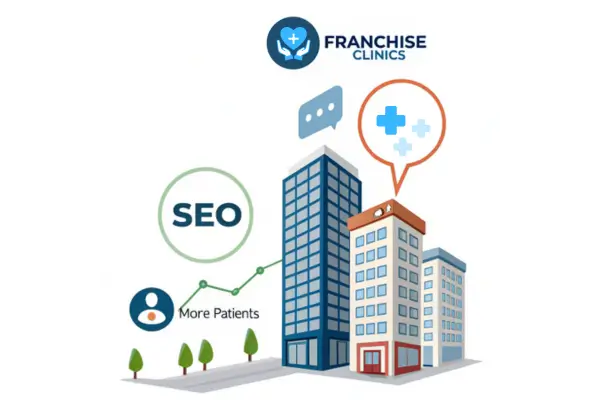
Scaling SEO for healthcare clinics with multiple locations is possible when you plan carefully. By keeping keywords, content, and website setup consistent, while also focusing on local searches, reviews, and links, each clinic can stand out on its own and attract the right patients. Using analytics, structured data, and regular monitoring helps make sure everything keeps working well. With the right approach, even smaller franchise clinics can compete with big hospital networks and become the go-to choice for patients in their area.