Understanding How Multi-Channel SEO Integrates Paid and Organic Growth
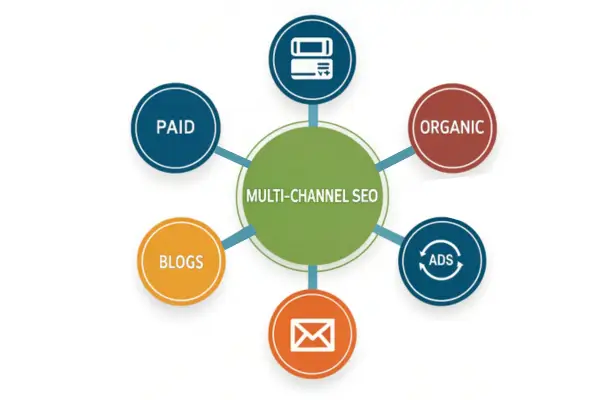
Search engine optimization is often seen as a single path to improving a website. Some people focus only on paid advertising while others rely solely on organic growth. But the real power comes when both approaches work together. Multi-channel SEO is about blending paid ads with organic strategies, so your website grows faster and stays visible for longer. By looking at data from both channels, businesses can make smarter choices, target the right audience, and increase overall traffic. In this article, we will explore how this integration works, tools to use, and examples that show why it is an essential approach for any business trying to improve its online presence.
1. Understanding Multi-Channel SEO
Multi-channel SEO means using both organic strategies like creating content and building links, and paid methods like Google Ads or display ads. Paid campaigns bring quick visitors to your website, while organic strategies build trust, authority, and long-term growth. When used together, paid and organic methods create both fast results and lasting online presence. Data from paid campaigns can show which topics and keywords work best, improving SEO content. At the same time, strong organic rankings can make paid ads cheaper. This creates a cycle where both strategies help each other, improving overall performance and results for a business or website.
1.1 How Paid and Organic Channels Work Together
Paid and organic strategies influence each other in ways that many people do not realize. Running a Google Ads campaign can show which keywords, ads, and landing pages attract the most clicks and conversions. This information can then be used to improve organic content, like blog posts, product pages, or service pages. Keywords that perform well in paid ads often become strong targets for SEO. Similarly, pages that rank high organically improve Google Ads quality scores, which lowers costs per click and increases ad effectiveness. Tools like SEMrush, Ahrefs, and Google Analytics help track performance, compare keywords, and optimize both paid and organic channels. Using these tools ensures that both channels support each other for steady growth.
1.2 Show Clear Expertise in Your Topic
Understanding how users move between paid and organic channels is important for multi-channel SEO. Many users click a paid ad first and later return through an organic search. This shows how paid and organic strategies influence each other. Tools like Google Analytics, HubSpot, Hotjar, and Crazy Egg can track these interactions, show how users navigate your site, and provide insights into their behavior. For example, if users leave a paid landing page but return later organically, the page may need clearer explanations or stronger calls-to-action. By improving both paid and organic content together, businesses can increase engagement, conversions, and overall user satisfaction.
1.3 Using Paid Campaign Data to Improve SEO
Paid search campaigns give valuable information about what works and what does not. Running even a small PPC campaign for specific keywords shows which terms attract clicks and which pages convert visitors. This data can then be used to improve SEO pages, blogs, or landing pages, helping them rank naturally in search engines. For example, an online store advertising “best face cream for dry skin” can check which ad text and headlines perform best, then create an organic page using the same keywords and structure. Over time, the organic page brings traffic without relying on paid ads, while keeping engagement high.
1.4 How Organic Rankings Lower Paid Costs
When pages rank well in organic search, they can make paid campaigns more effective and cheaper. Pages with strong organic performance often get higher Google Ads quality scores, which lowers the cost per click. Organic content also builds trust and credibility, so users are more likely to engage with ads related to the same topic. For example, if a blog ranks high for “digital marketing tips,” running a paid ad for the same keywords costs less and performs better because users already see the brand as trustworthy. Combining paid and organic strategies this way helps maximize results and reduce advertising costs.
1.5 Continuous Optimization for Multi-Channel Growth
Multi-channel SEO is not a one-time effort. Paid campaigns need regular testing with new keywords, ad text, and headlines, while organic content must be updated with new information, links, images, or videos. Tools like SEMrush and Ahrefs track keyword performance and competition over time, while Google Optimize tests different landing page versions to see which works best. Regularly updating and testing both paid and organic channels ensures they grow together. This creates a smart, data-driven strategy that adapts to user behavior, improves traffic, boosts engagement, and increases conversions over time.
2. Paid Search and SEO: A Detailed Look
Paid search helps bring visitors to your website quickly by using ads that appear in search results or on other websites. SEO, or search engine optimization, makes your website more visible and trusted over time, helping people find it naturally on search engines. Using both paid search and SEO together gives your website fast traffic now while also building long-term growth and authority. This approach helps more people discover your website, spend time exploring your content, and take actions such as signing up, booking an appointment, or making a purchase. By combining these methods, you create a steady and reliable flow of visitors and potential customers.
2.1 Using Paid Search to Strengthen SEO
Paid search campaigns give important information about which keywords, ads, and pages attract visitors and lead to actions like purchases or sign-ups. Even a small Google Ads campaign can show what works best. This information can then be used to improve website pages, blogs, product descriptions, and meta descriptions for SEO. For example, a skincare shop running ads for “best face cream for dry skin” can use the results to write a blog or landing page that ranks naturally on Google. Over time, this page brings visitors without paying for ads. Using paid search to guide SEO helps save money, match content to what users want, and make marketing smarter.
2.2 Reducing Paid Costs Through Organic Strength
When a website ranks well in organic search for important keywords, it helps paid ads work better and lowers costs per click. High-ranking organic pages show users that your content is useful and trustworthy, making paid ads more effective. Organic content, like guides, reviews, and tutorials, keeps users engaged and interested. This combination means paid ads attract attention quickly, while organic content builds credibility and value. Over time, using both together lowers ad costs, strengthens the brand, and increases the number of visitors who take action.
2.3 Tools and Strategies for Integration
Many tools help businesses combine paid and organic efforts in a smart way. Google Search Console shows which keywords bring organic traffic. SEMrush and Ahrefs compare how paid and organic channels perform. Google Analytics shows how users behave on your site, and platforms like HubSpot or Salesforce help bring all data together. Using these tools, marketers can adjust ad budgets, improve content, and target the right audience. Even healthcare SEO agencies use these tools to make campaigns accurate, effective, and safe. When used together, these tools give a clear picture of what works, helping businesses get more traffic, better engagement, and stronger long-term results.
2.4 Creating Content That Works for Both Channels
The best content works for both paid ads and SEO. Blog posts, landing pages, and product pages should include keywords that perform well in ads and be clear, helpful, and interesting. For example, a company offering online courses may find that “learn digital marketing online” performs well in paid campaigns. They can then create a blog or landing page using the same keyword with useful information, tips, and calls-to-action. Over time, this content starts to bring organic traffic naturally. This reduces the need to pay for ads while continuing to attract people who are interested in your products or services.
2.5 Continuous Optimization and Testing
Multi-channel SEO is not something you do once; it is an ongoing process. Paid ads should be tested with new keywords, ad text, and headlines. Organic content should be updated with new information, links, and images or videos. Tools like SEMrush and Ahrefs help track keyword rankings and competition. Google Optimize helps test different versions of pages to see what works best. By reviewing data regularly and making changes, businesses can make sure paid and organic strategies support each other. This keeps traffic growing, improves engagement, increases conversions, and makes marketing efforts more successful over time.
3. Content Strategy for Multi-Channel SEO
Content is the foundation of both paid ads and organic SEO strategies because it attracts visitors, engages them, and encourages them to take action. Without high-quality, useful content, paid campaigns may not work well and organic growth can be slow. Well-optimized content makes ads more effective, landing pages more convincing, and search results more meaningful, which is why content is essential for successful multi-channel SEO.
3.1 Creating Content That Works for Both Channels
The best content works for both organic SEO and paid campaigns, helping a business get more visibility and engagement. Blog posts, landing pages, and product descriptions should use keywords that perform well in paid campaigns so that the same content can also help organic growth. The content must be clear, informative, and persuasive to provide value to readers and encourage actions like signing up or making a purchase. For example, a company offering online courses can use insights from paid ads for “learn digital marketing online” to create a blog or landing page that matches what people are searching for. Over time, that page will rank naturally in search engines, attracting visitors while reducing the need for ads. Using paid campaign insights in content creation ensures a strategy that works both immediately and in the long term.
3.2 Updating Existing Content Based on Paid Campaign Data
Paid campaigns often show weaknesses in content that organic results alone cannot reveal. For example, a keyword may get many clicks from ads, but the landing page may not meet the visitor’s needs, leading to low conversions. By analyzing paid campaign results, businesses can find missing information like product details, reviews, videos, or step-by-step guides. Updating the content using this information improves both paid campaign performance and organic search rankings. This creates a consistent experience for visitors, builds trust, and drives qualified traffic. Using paid data to update content over time results in better engagement, higher conversions, and long-term growth.
3.3 Tools for Content Analysis
To make content decisions smarter, businesses can use tools that analyze performance across paid and organic channels. Platforms like Google Analytics, SEMrush, Ahrefs, and HubSpot can show which pages get traffic, how users interact with content, and which keywords lead to conversions. These insights help marketers identify which topics, content types, and formats work best for their audience. By combining this data with paid campaign information, businesses can make changes that improve both ad results and organic SEO performance. Using tools in this way ensures content decisions are based on real data, not guesses, which strengthens overall marketing results.
3.4 Tracking and Measuring Content Performance
Tracking content performance is essential to see how well it works across both paid and organic channels. Marketers can see which pages attract visitors, how long they stay, which keywords are effective, and whether visitors take the desired action. By measuring these results over time, businesses can find patterns, understand which content resonates most, and make informed improvements. Continuous monitoring also helps ensure that paid campaigns and organic SEO efforts stay aligned, so content supports both strategies effectively.
3.5 Continuous Content Optimization
Content optimization is not a one-time task. It is an ongoing process that keeps content relevant and ensures both paid and organic strategies continue to work well. Businesses should regularly update blogs, landing pages, and product descriptions with insights from paid campaigns, new statistics, improved readability, updated media, or refreshed meta tags. Over time, this ongoing improvement strengthens organic rankings, makes paid campaigns more effective, and provides visitors with a smooth and helpful experience. Continuous content optimization leads to more traffic, higher conversions, and sustainable long-term growth.
4. Measuring and Optimizing Multi-Channel SEO
Measuring results is very important to understand how paid ads and organic SEO work together because it shows which strategies actually bring visitors and which pages make visitors take action. When businesses track results accurately, they can see whether using both paid and organic channels together is helping or not. This information allows them to make decisions based on real data, improve campaigns, spend money wisely, and keep making strategies better over time. By doing this, businesses can increase website visitors, get more conversions, and support long-term growth in a consistent way.
4.1 Setting Up Proper Tracking
To measure and improve multi-channel SEO, start by using Google Analytics to track conversions, website visits, and how people behave on your pages. Adding UTM links in paid ads connects the traffic to specific ads, campaigns, or keywords so you can see what works. Linking Google Ads with Analytics helps show how paid traffic and organic search traffic work together over time. Many users do not follow a straight path; they may click an ad first and return later through organic search. Proper tracking helps see this journey, which lets marketers improve landing pages, ad texts, and SEO strategies. When tracking is set up correctly, businesses can reduce wasted spending and make sure visitors have a smooth journey from their first click to taking action.
4.2 Analyzing Data for Decisions
After collecting data from both paid and organic channels, it is important to study it carefully because the results show what is working and what needs improvement. Marketers can check which paid keywords bring clicks and conversions and see if these keywords also help organic traffic. At the same time, looking at how landing pages perform in both channels shows which content works best. For example, a product page may get many clicks from paid ads but few organic visitors, which means it needs better SEO. A blog page that ranks high organically can be supported with paid ads to get even more visitors. This analysis guides marketers on where to focus time and money, how to improve content, and how to adjust strategies. By combining insights from both paid and organic channels, businesses can get better overall results, more visitors, and higher returns.
4.3 Continuous Optimization
Multi-channel SEO needs constant checking, testing, and adjusting because paid ads and organic content must work together smoothly. Paid ads should be tested with new keywords, ad texts, and audience targeting, while organic content should be updated with fresh information, new links, or images. Tools like SEMrush, Ahrefs, and Google Optimize make it easier to track performance, test changes, and find ways to improve. By using the data from these tools, businesses can make sure paid and organic channels support each other. This creates a cycle where results keep improving, the website becomes easier to use, conversions increase, money is saved, and long-term growth happens naturally.
4.4 Example of Integrated Approach
A small e-commerce site selling sports gear might run a paid ad campaign for “running shoes for beginners” to get visitors and understand how people interact with their content. Analytics may show that a guide about choosing shoes gets clicks but few visitors take action, which shows there is a content gap. Over time, the guide can start ranking naturally in search results, which reduces the need for paid ads. This example shows how data from paid campaigns can improve content, creating a cycle where ads bring immediate visitors and optimized content supports long-term growth. When paid and organic channels are connected in this way, businesses get higher visibility, more conversions, and better overall results.
4.5 Leveraging Tools for Performance Improvement
To make multi-channel SEO work well, it is very important to use the right tools for checking, measuring, and improving performance for both paid ads and organic content. Tools like Google Analytics, SEMrush, and Ahrefs give detailed information about how keywords are performing, how users behave on the website, and how content is working. An SEO agency can help businesses set up these tools correctly and explain the data so it is easy to understand and use. Marketing tools like HubSpot or Salesforce Marketing Cloud can collect information from different sources in one place, helping teams see how paid ads and organic content support each other. Using these tools in the right way makes campaigns based on real data, saves money, and helps get more visitors, better engagement, and long-term growth.
5. Conclusion
Multi-channel SEO combines paid and organic strategies to drive both immediate results and long-term growth. Paid campaigns provide quick traffic and insights into user behavior, while organic strategies build trust, credibility, and consistent traffic over time. By analyzing customer behavior, creating targeted content, using tracking tools, and continuously optimizing campaigns, businesses can make informed decisions and maximize ROI. Treating paid and organic efforts as complementary ensures that insights from one channel enhance the other. This integrated approach creates a cohesive marketing strategy where every click, keyword, and piece of content contributes to sustainable growth and long-term success.