Understanding How Technical SEO Audits Can Be Automated for Clinics
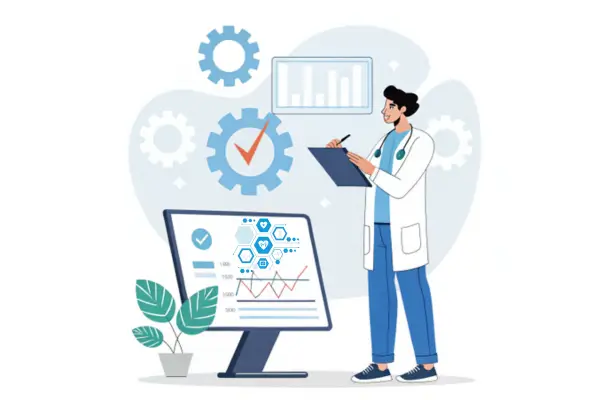
Large clinic websites can be very complex. They have many pages, doctor profiles, treatment information, blog posts, and location details. Checking each page manually for SEO issues can take months and may still miss important problems. This is why automating technical SEO audits is so important. Automation saves time, reduces errors, and helps clinics keep their website healthy for search engines. In this blog, we will discuss how to automate these audits in detail using simple tools and strategies that anyone can follow.
1. Understanding Technical SEO Audits
Technical SEO looks at how well a website is built and how easy it is for search engines like Google to read it. It checks important things such as how fast a page loads, if the website works properly on mobile phones, if the links take visitors to the right pages, and if any pages have repeated or copied content. It also checks if the sitemap is correct, if the robots text file tells Google what to crawl, and if the website uses safe HTTPS security. Technical SEO even looks at structured data, which is extra information that helps Google understand what each page means. All these things work together to help the website show up higher in search results.
1.2 Why Automation Helps
Automation helps because it uses computer tools to do work much faster than a human can. When a website has hundreds or thousands of pages, checking each one by hand takes a very long time and can lead to mistakes. Automated tools can scan all pages at once and show problems in a clear list. This saves time, reduces stress, and helps teams fix issues quickly. Automation also checks everything in the same way every time, so nothing is forgotten or skipped.
1.3 Tools That Make Technical SEO Easier
There are many tools that make technical SEO easier to understand and manage. Screaming Frog can scan every page on the website and show issues like missing titles or broken links. Sitebulb explains problems in simple words that beginners can understand. Google Search Console shows which pages Google can or cannot index and tells you if there are errors. PageSpeed Insights checks how fast a page loads and gives ideas on how to make it faster. These tools give clear information so teams can fix problems without guessing.
1.4 How Automation Finds Problems Faster
Automation finds problems faster because it does not check pages one by one like a human. Instead, it scans many pages at the same time and collects all the issues in one report. For example, if a healthcare website has two thousand pages, an automated tool can scan them very quickly and tell which pages are slow, which links do not work, and which pages Google cannot read. This fast scanning helps teams spend more time fixing issues and less time searching for them.
1.5 How Automation Prevents Human Mistakes
Automation prevents human mistakes because computer tools do not get tired, confused, or rushed. People might skip pages or overlook small errors when checking a large website. Automation follows the same steps every time and checks every detail carefully. This is important for healthcare websites where information must always be correct and safe. By reducing errors, automation helps keep the website reliable for both search engines and patients.
1.6 How Automation Helps Websites Stay Healthy
Automation helps websites stay healthy by checking them on a regular schedule. A website can change often when new pages are added or old ones are updated, and this can sometimes create new issues. Automated tools can run daily, weekly, or monthly scans to make sure everything still works properly. If a page becomes broken or a link stops working, the tool alerts the team right away so they can fix it quickly. This keeps the website safe, strong, and easy for visitors to use.
1.7 How Automation Makes Teamwork Easier
Automation makes teamwork easier by creating clear reports that everyone on the team can understand. Developers, SEO specialists, and writers can all look at the same report and see exactly what needs to be fixed. The report explains each problem and sometimes even suggests how to solve it. This helps the whole team work together smoothly, without confusion or mixed-up information. It also helps teams finish tasks faster because everyone knows what to do next.
2. Tools for Automating Technical SEO Audits
Once we understand technical SEO, the next step is to choose the right tools. There are many tools available that can automatically check your website and report issues. Using the right tools is crucial for accuracy and efficiency.
2.1 Website Crawlers
Website crawlers are tools that move through a website page by page and collect information about what is working and what is broken. Tools like Screaming Frog, Sitebulb, and DeepCrawl are used often because they can scan hundreds or even thousands of pages very quickly. They can find missing titles, broken pictures, slow pages, repeated content, and pages that Google may not be able to read. For example, if a hospital website has two thousand health articles, Screaming Frog can check them all and give a simple report showing which pages need fixing. Sitebulb also gives explanations in easy language which helps beginners understand what to do. These tools can be set to run every week so you do not have to scan the website manually each time.
2.2 Google Tools
Google offers free tools that help you understand how Google sees your website. Google Search Console shows you if Google can index your pages, if there are errors in structured data, and if any pages are blocked. It also shows information about keywords, clicks, and common problems found on mobile devices. PageSpeed Insights is another helpful tool because it checks how fast each page loads and gives simple steps to make the page faster. For example, it may tell you that your images are too large or your server is slow. You can also use Google Looker Studio to pull data from both tools and create an easy dashboard where all information appears in one place. This makes it simple to monitor your website health over time.
2.3 Automation Platforms
Automation platforms like Zapier, Make, or n8n allow you to connect different tools so tasks run on their own. For example, you can connect Screaming Frog to Google Drive so that every time a crawl finishes, the report is saved automatically. You can also set up a workflow that sends you an email every Monday with the latest audit results. Some teams connect Search Console to Google Sheets so the sheet updates every day with new data. These tools are very useful for large clinics because different team members can access the same information without doing manual work.
2.4 Examples of Automated Audit Reports
Imagine a healthcare website with hundreds of pages about treatments, diseases, and doctor profiles. Checking all these pages by hand would take an entire month. With automated tools, the website can be scanned in one afternoon and a full report can be downloaded. The report may show that fifty pages have missing descriptions, twenty pages have slow loading time, or ten pages have broken images. This makes it easy for the development team or content team to understand what to fix. Over time, repeating the automated scan keeps the website healthy and prevents small problems from turning into big issues.
2.5 Tools That Track Errors Over Time
Some tools track errors over time so you can see if your website is improving or getting worse. For example, Ahrefs Site Audit checks your website every week and shows graphs that explain how many errors you had last month and how many you have now. SEMrush Site Audit works in a similar way and even sends alerts when new problems appear. DeepCrawl also keeps history records so you can compare past and present results and understand patterns. This is helpful for healthcare websites because they change often with new services, doctors, or medical updates that may create new errors without anyone noticing.
2.6 Tools That Help With Large Websites
Large healthcare websites need special tools because they contain many pages like doctor bios, treatment guides, service locations, and blog posts. Tools like OnCrawl and Botify are made to handle big websites with heavy traffic. They show how Googlebot crawls the website and which pages Google spends the most time on. They also explain if some pages are too deep in the website and need better internal links. For example, a hospital with fifty service pages and two hundred blog posts can use Botify to find pages that Google rarely visits and then improve their structure. These tools help ensure that important pages are always easy for Google to find.
2.7 Tools That Combine SEO With Content Quality
Some tools combine technical SEO with content quality checks to give a complete view of the website. For example, SurferSEO and Clearscope help check if the content is well written, includes the right keywords, and answers common questions. When used with crawler tools like Sitebulb, they give both technical and content information in one workflow. A clinic writing health articles can use SurferSEO to check if the article is strong and then use Screaming Frog to make sure all technical parts like titles and meta descriptions are correct. Combining tools like these helps the website rank better and stay healthy at the same time.
3. Setting Up Automated Audit Processes
Setting up automated audit processes means creating a system that checks your website again and again without you having to do anything manually. This is very important for healthcare websites because they have many pages that change often, like doctor profiles, service pages, treatment guides, and health blogs. When everything is automated, the system can catch mistakes the moment they appear, send reports to the right people, and make sure the website stays healthy for search engines. Good setup also saves time for the team because they do not have to check every page by hand, and they can focus on fixing problems instead of searching for them.
3.1 Defining Audit Scope
Defining the audit scope means choosing which parts of the website should be checked during the automated scan. Large clinic websites often include hundreds of pages such as treatment pages, doctor bios, health articles, and location information. When the scope is set correctly, the audit focuses on the pages that matter most for SEO and ignores unimportant pages like admin dashboards or private test pages. This helps the tool run faster and also gives more accurate reports because it is only checking the pages that actually appear on Google. For example, if a clinic adds fifty new articles about heart disease and diabetes, these must be included in the audit so any problems can be found quickly.
3.2 Scheduling Regular Audits
Scheduling regular audits means telling the tool to run the scan automatically every day, week, or month. Most large healthcare websites work best with weekly audits because new pages are added often and old pages may be updated with fresh information. Tools like Screaming Frog, Sitebulb, and DeepCrawl allow you to choose the schedule so the audit runs even when you are busy or offline. This way, if something breaks on the website, the next scheduled audit will catch it immediately. For example, if a doctor’s page becomes too slow after a new photo is added, the scheduled audit will show this in the report right away.
3.3 Setting Alerts for Critical Issues
Setting alerts means telling the tool to send you a message when very important problems happen. This is helpful because you do not have to wait for the full audit report to know something is wrong. For example, if a major service page suddenly shows a server error, Search Console or Screaming Frog can send an email alert so the SEO team can fix it quickly. Alerts can also be sent for broken links, indexing problems, or pages that disappear from Google. This protects the website from losing traffic and makes sure important medical information stays available to patients.
3.4 Integrating with Other Teams
Integrating automated audits with other teams means making sure the reports are shared with everyone who needs them. A clinic website usually has a marketing team, a content team, a developer team, and sometimes even a design team. Automated audits can send reports to Google Drive, Slack channels, or email groups so each team receives the information that matters to them. For example, developers can fix speed issues, content writers can update missing titles, and marketers can check search performance. When all teams work together through automated reports, the website stays healthy and mistakes are fixed much faster.
3.5 Creating Custom Audit Rules
Some healthcare websites have special needs, such as extra long articles, medical terms, or PDFs with treatment instructions. Custom audit rules help check these special needs automatically. Tools like Sitebulb and DeepCrawl allow you to create custom checks, such as finding pages with too many medical terms, missing author names, or outdated treatment information. You can also add rules that warn you if a page has not been updated for a long time, which is important for healthcare websites because medical information must always be fresh and correct. These custom rules make the audit more helpful because it looks for problems that normal SEO tools might miss.
3.6 Connecting Data to Dashboards
Connecting audit data to dashboards means showing all the results in one simple place. Tools like Google Looker Studio or Data Studio can take information from Screaming Frog, Ahrefs, Search Console, and PageSpeed Insights and put it into a clean, colorful dashboard. This makes it very easy to understand what is happening on the website because you can see charts, numbers, and history all in one screen. For example, you can see how many errors the website had last month and how many it has today. This helps teams track progress and make better decisions about what to fix first.
3.7 Testing the Automation System Regularly
Testing the automation system means checking if the automation still works correctly. Sometimes tools stop running because of permission changes, new settings, or software updates. By testing the automation once a month, you can make sure all reports are being generated, alerts are being sent, and dashboards are updating correctly. For example, if Screaming Frog fails to crawl the website because of a new firewall setting, testing would catch this problem. Testing ensures that automation stays strong and reliable so the website remains healthy without any gaps in monitoring.
4. Analyzing and Using Audit Data
After automated audits finish running, the next important step is to understand the data and use it to make the website better. Automated tools give a lot of information, but the clinic team must study the results, decide what needs fixing first, and take action. This process helps keep the website healthy, fast, and easy for search engines to understand. When audit data is used correctly, it leads to better rankings, a smoother user experience, and fewer long-term problems on the website.
4.1 Prioritizing Issues
Prioritizing issues means choosing which problems to fix first. Some problems, like server errors or pages that Google cannot index, are very serious because they can stop important medical information from appearing in search results. Other issues, such as missing alt text or small formatting mistakes, do not need immediate attention. Automated tools usually label problems as high, medium, or low priority. This helps a clinic focus on tasks that will have the biggest positive impact on patients and search engines. By fixing the most serious issues first, the website becomes more stable and easier to manage.
4.2 Tracking Changes Over Time
Tracking changes over time means comparing new audit reports with older reports to see if things are getting better or worse. This is helpful because it shows whether the team’s work is actually improving the website. For example, if the SEO team speeds up a slow treatment page, the next audit will show whether the loading time improved. If a new issue appears, the audit will catch it. These comparisons help clinics make smart decisions, measure progress, and manage large websites with many pages.
4.3 Using Dashboards for Visualization
Dashboards take all the audit data and turn it into charts, graphs, and simple numbers that are easy to understand. Tools like Google Looker Studio and Power BI can pull data from Google Search Console, PageSpeed Insights, and website crawlers. This helps clinic teams see the website’s health at a glance. For example, a dashboard can show the number of broken links, page speed scores, or indexing errors. This makes it easier for managers and team members who are not technical to understand what is happening and what needs to be fixed next.
4.4 Continuous Improvement
Continuous improvement means checking and fixing the website again and again because clinics constantly update their pages. New doctors join, new blog posts are published, and new treatments are added. Every time something changes, new problems may appear. Automated audits support continuous improvement by running regularly and catching these issues early. This makes sure the website stays healthy, loads fast, and remains easy for patients to use.
4.5 Sharing Insights With All Teams
Sharing insights means making sure the audit information reaches everyone who needs it. A clinic website usually involves many people such as developers, writers, marketing teams, and sometimes medical reviewers. Automated audits can send reports to email, Google Drive, Slack, or project tools like Trello. When everyone sees the same data, developers can fix technical errors, writers can update content, and marketers can adjust SEO strategies. Clear sharing leads to faster problem-solving and better teamwork across the entire clinic.
4.6 Turning Data Into Action Plans
Turning audit data into action plans means taking the information from reports and creating simple tasks that the team can complete step by step. For example, if the audit shows slow pages, the action plan might include compressing images, removing unused scripts, or cleaning up large files. If the audit finds missing meta descriptions, the action plan might include writing new ones for the top pages. This helps break large problems into smaller steps that are easier to fix. Clear action plans also help teams track progress and make sure nothing important is forgotten.
5. Conclusion
Automating technical SEO audits helps large clinic websites stay healthy and easy for search engines to understand. With the right tools and setup, the website can be checked automatically for problems like slow pages or broken links. This saves time, reduces mistakes, and makes sure important pages are always working well. By running audits often and fixing issues quickly, clinics can manage many pages without stress and keep their site helpful for patients.