Understanding How to Use Multi-Format Content Strategies: Video, Infographics, Podcasts
Creating content in different formats is no longer optional—it is essential if you want your message to reach a wide audience and leave an impression. Different people process information differently. Some prefer watching, some enjoy reading visual summaries, and some love listening while multitasking. Videos, infographics, and podcasts each provide unique ways to communicate, making them essential for any content strategy. Using them together can increase engagement, understanding, and recall, helping your audience connect deeply with your message. This blog will guide you step by step on how to implement a multi-format content strategy effectively, using practical examples, tools, and tips that anyone can follow.
1. Video Content Strategies
Video content is one of the most engaging formats because it combines visuals, audio, and movement. This combination helps people understand ideas quickly and remember them longer. Videos can serve many purposes such as tutorials, product demonstrations, interviews, storytelling, or even casual updates. Social media platforms like YouTube, Instagram, TikTok, LinkedIn, and Facebook all support video content, and the algorithms often favor videos, giving your content a better chance to be seen.
1.1 Choosing the Right Type of Video
The type of video you create depends on your audience and goals. Tutorial videos are excellent for teaching skills or showing step-by-step processes, while testimonial or behind-the-scenes videos humanize your brand and create trust. Animated explainer videos, made with tools like Canva, Animoto, or Vyond, are useful for simplifying complex ideas in an engaging way. For example, a healthcare SEO company could use short animated videos to explain complicated medical marketing concepts to clients in a simple, easy-to-understand way. Choosing the right video type ensures your message is both clear and memorable.
1.2 Planning Your Video Content
Planning is critical to avoid wasting time and effort. Begin by defining your audience and their needs. List the topics they care about most and decide the video length and style. Use planning tools like Trello, Notion, or Monday.com to organize ideas, scripts, schedules, and responsibilities if you have a team. Proper planning ensures your videos are consistent, focused, and professional, which helps build audience trust over time. For instance, a small business planning weekly educational videos can schedule topics months in advance to maintain consistency and engagement.
1.3 Shooting and Recording Tips
You don’t need a professional studio to create effective videos. Even a smartphone can produce excellent quality with good lighting, clear audio, and thoughtful framing. Natural light from a window or inexpensive ring lights can dramatically improve video quality. For sound, small USB microphones or lavalier mics make a huge difference. Tools like OBS Studio are perfect for screen recording tutorials, webinars, or gaming content. Make sure the background is uncluttered, and focus on the subject clearly. Small details like these can make videos look polished and professional.
1.4 Editing and Enhancing Videos
Editing is where your ideas come to life. Add text overlays, transitions, captions, music, or sound effects to make your content more engaging. Tools like iMovie, Filmora, or CapCut are beginner-friendly, while Adobe Premiere Pro or Final Cut Pro are more professional options. Keep videos concise but informative, typically between 2 to 10 minutes depending on the topic. Adding captions is essential because many viewers watch without sound on social media. For example, a step-by-step recipe video with captions ensures anyone can follow along, even without audio.
1.5 Publishing and Sharing Videos
Publishing is more than just uploading your video. Write a clear title, description, and create an attractive thumbnail to make it clickable. Platforms like YouTube and Instagram use algorithms that favor consistent posting schedules. Tools like Buffer, Hootsuite, or Later can schedule videos across multiple platforms automatically. Encourage engagement by asking questions, adding polls, or requesting comments. Sharing videos on your website or email newsletters can also extend their reach beyond social media.
1.6 Measuring Video Performance
To know if your videos are effective, you need to track performance. Analytics tools like YouTube Analytics, Google Analytics, or Facebook Insights show metrics such as watch time, audience retention, engagement, and traffic sources. Understanding which videos perform best helps refine your content strategy. For example, if tutorial videos get higher retention than promotional ones, you might focus more on educational content. Tracking metrics allows data-driven decisions that make your strategy more efficient over time.
2. Infographics and Podcasts
Infographics and podcasts allow you to reach audiences who prefer visual or auditory content. Infographics simplify complex data into easy-to-read visuals, while podcasts deliver content that people can consume on the go. Using these alongside videos provides a multi-format approach that caters to every learning style.
2.1 Creating Infographics
Infographics turn dense information into clear visuals, using charts, icons, and short text. They are excellent for social media, blog posts, presentations, or reports. Tools like Canva, Piktochart, or Venngage make designing infographics simple for beginners, offering ready-made templates that only require customization. A healthcare SEO company, for instance, could use an infographic to show trends in online medical searches, making complex data visually engaging and easy to understand for clients. A strong infographic should have readable fonts, consistent colors, and a clear hierarchy of information to guide the viewer’s eye.
2.2 Tools for Designing Infographics
Professional design software like Adobe Illustrator or Photoshop offers full creative control but can be intimidating for beginners. Online platforms like Canva or Venngage are easier for non-designers and allow quick creation of high-quality visuals. Piktochart is especially useful for including charts, graphs, and interactive elements. Choosing the right tool ensures your infographic communicates clearly while maintaining a professional appearance. For businesses, consistent style across all infographics helps reinforce brand identity.
2.3 Publishing Infographics
Once your infographic is ready, you can share it on social media, blogs, or even print it for offline use. Pinterest and Instagram are ideal for visuals, while LinkedIn is great for professional and business-related infographics. Make sure the format suits the platform and that text is legible on all devices. Sharing infographics in newsletters or as downloadable resources can increase engagement and lead generation. The goal is to make your visual content easily shareable and highly informative.
2.4 Podcast Basics
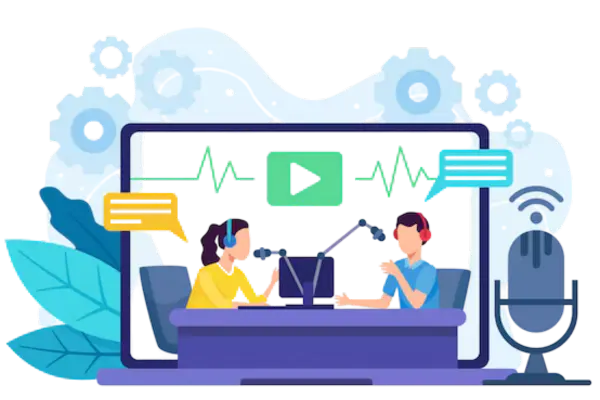
Podcasts are audio programs that allow people to consume content while multitasking. They can take the form of interviews, educational talks, storytelling, or discussion panels. Platforms like Anchor, Podbean, or Spotify for Podcasters make it easy to record, host, and distribute episodes. Podcasts help brands build authority and a personal connection because listeners hear real voices discussing topics in a conversational tone. Even complex subjects, when discussed in a friendly manner, become easy to understand for a broad audience.
2.5 Recording and Editing Podcasts
Sound quality is critical for podcasts. A good microphone, quiet room, and clear speech make a significant difference. Free tools like Audacity or GarageBand allow recording and editing, including removing background noise, adjusting volume, and adding intro/outro music. Consistency in audio quality and episode length helps retain listeners. For instance, a weekly 20-minute podcast on marketing trends can grow a loyal audience if it consistently delivers useful insights.
2.6 Sharing and Growing Your Podcast
Podcasts can be shared through Spotify, Apple Podcasts, Google Podcasts, or embedded on your website. Promote new episodes on social media, email newsletters, or community forums. Engaging listeners through Q&A, social media discussions, or email feedback encourages loyalty. Tracking downloads, listens, and listener demographics helps identify which topics resonate most. Podcasts are long-term investments in building audience trust and authority.
2.7 Integrating Video, Infographics, and Podcasts
Combining all formats maximizes engagement and comprehension. A tutorial video can be paired with an infographic summarizing key steps, while a podcast episode dives deeper into related insights. Tools like HubSpot, Buffer, or CoSchedule can help manage content publishing across formats. Integrating these formats ensures that your audience can consume content in their preferred way, reinforcing learning and brand messaging. Multi-format strategies also allow repurposing content efficiently, making one idea reach more people through different channels.
3. Conclusion
Using multiple content formats—videos, infographics, and podcasts—ensures you connect with different types of learners and maximize engagement. Each format has unique advantages, and when combined, they create a strong, cohesive strategy. By planning carefully, using the right tools, and tracking results, even beginners can produce professional and effective content. Multi-format strategies help make information more understandable, memorable, and shareable, providing long-term benefits for brands, businesses, and educators. Consistency, quality, and audience-focused content are the keys to success.