Understanding How AI-Based SERP Tracking Helps Multi-Location Clinics
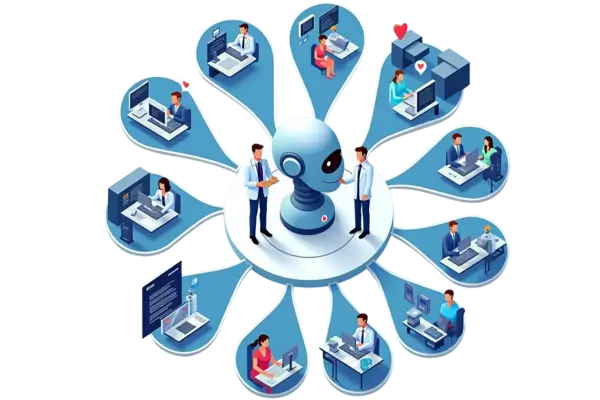
Managing multiple clinic locations is always challenging. Each clinic may have its own set of patients, local competitors, and search trends that affect how easily people can find it online. When patients search for services, clinics need to show up in the right search results to get visits. AI-based SERP tracking makes this easier by monitoring search results automatically. It helps clinics see how they rank for keywords, what competitors are doing, and how their local listings are performing. In simple words, it is like having a smart assistant that checks Google for you every day and tells you what is working and what needs fixing. This technology is especially helpful for clinics with many locations, because it saves time, gives accurate insights, and helps clinics grow in different areas at the same time.
1. How AI-Based SERP Tracking Works for Multi-Location Clinics
AI-based SERP tracking uses artificial intelligence to look at search results for specific locations, keywords, and services. It can tell you which clinic appears at the top, which ones are missing from results, and where competitors are ranking. Unlike manual checking, which is slow and often inaccurate, AI tools can track hundreds of search terms across multiple locations every day. For example, a dermatology chain with five branches can use AI to check how well each branch appears when someone searches for “skin specialist near me.” This saves time and gives very clear data. Tools like SEMrush, Ahrefs, and BrightLocal are commonly used for this kind of tracking. Some of these tools also show how Google Maps listings perform, which is very important for local clinics. In short, AI-based SERP tracking is like having a daily report card for every clinic location.
1.1 Local Keyword Performance Monitoring
Local keyword performance monitoring means checking which words patients use to find a clinic and how the clinic ranks for those words. For example, someone might search “pediatric clinic in Boston” or “eye doctor near Central Park.” AI tools like Local Falcon or Whitespark can track exactly where each location appears in search results for these keywords. This helps clinics understand which location needs more attention or which pages need updates. A healthcare seo company can use this information to adjust website content, blog posts, and Google Business Profiles to rank better. This process is simple but very effective because it targets the real words people use, not guesses. By tracking this regularly, clinics can see improvement over time and understand which strategies are working and which are not.
1.2 Competitor Analysis for Each Location
Competitor analysis for each location means knowing who is showing up in search results in the same area. AI SERP trackers can show which clinics or healthcare providers appear above your locations. For example, if a dental clinic in Chicago sees another clinic always appearing first for “dental implants near me,” they can study the competitor’s website, Google Business Profile, and reviews. Tools like SEMrush and BrightLocal let you see competitor rankings for multiple locations at the same time. This information is powerful because clinics can adjust their marketing or content strategy to compete better. Instead of guessing, AI gives real numbers and positions. Multi-location clinics especially benefit because each location may face different competitors, and AI tracking makes this manageable without spending days checking manually.
1.3 Google Business Profile Insights
AI-based SERP tools can provide deep insights about Google Business Profiles for each clinic location. They can show how many people clicked on the profile, what reviews are affecting visibility, and which services are searched most. For example, a clinic in Dallas may notice that “flu shots” are searched heavily during certain months. Tools like Yext or Moz Local can automate these insights and help clinics respond quickly. By monitoring profiles with AI, clinics can improve ratings, answer questions faster, and make sure opening hours and addresses are always correct. This keeps patients happy and improves chances of appearing on top in Google Maps.
1.4 Performance Tracking Over Time
One big advantage of AI-based SERP tracking is tracking performance over time. Instead of looking at search results on one day, clinics can see trends across weeks and months. This shows which locations are improving, which pages are underperforming, and where competitors are gaining ground. Tools like AccuRanker or SERPWatcher let clinics generate reports that are easy to understand. By analyzing trends, clinic managers can make better decisions about marketing, local SEO, and website updates. It is like keeping a health chart for each location but for online visibility. Over time, this can lead to consistent growth in patient inquiries and visits.
1.5 Automated Alerts for Drops in Ranking
AI tools can also send automatic alerts when a clinic’s ranking drops in search results. For instance, if a clinic in Miami suddenly drops from the first page for “family doctor near me,” the system will notify managers immediately. Tools like Rank Ranger and BrightLocal allow setting thresholds so alerts are timely. This allows fast action to fix issues such as outdated pages, lost reviews, or technical problems on the website. Multi-location clinics especially benefit because it is impossible to manually track multiple areas every day. Automated alerts save time and prevent losses in patient traffic due to visibility drops.
1.6 Reporting and Sharing Insights
AI-based SERP tracking tools can create detailed reports that can be shared with clinic teams, marketing managers, or external agencies. Reports may include keyword rankings, local competition, Google Business Profile performance, and trends over time. Tools like SEMrush, Ahrefs, and DashThis make reporting simple. These reports allow different teams to see exactly what is working and what needs improvement. For multi-location clinics, it is like having one dashboard for all branches. Everyone stays informed, and decisions are based on real data rather than assumptions. This improves collaboration between marketing and management teams.
2. Benefits of AI-Based SERP Tracking for Multi-Location Clinics
AI-based SERP tracking is not just about knowing rankings. It also provides many benefits that help clinics grow and improve patient experience. From saving time to understanding local trends, this technology gives clear advantages. Clinics that use AI to track SERP can improve local SEO, attract more patients, and manage marketing efforts more efficiently. It is especially useful for chains or healthcare providers with multiple locations. In this section, we will explore the main benefits and how they can be applied in everyday clinic management.
2.1 Improved Local Visibility
AI-based SERP tracking helps clinics show up in the right place when patients search locally. For example, if someone searches “urgent care near me” in San Francisco, the AI tool can show whether the clinic appears at the top of results. If it does not, clinics can optimize keywords, update their website, or improve reviews. Tools like BrightLocal or Local Viking help track local visibility. This ensures each clinic location gets noticed by patients in its specific area. Better visibility leads to more calls, appointments, and patient trust. Multi-location clinics can manage all locations from one dashboard, which makes it easier to stay competitive.
2.2 Better Decision Making
By seeing detailed SERP data, clinics can make better decisions about marketing and promotions. For instance, if a clinic notices that “pediatric vaccines” searches spike during certain months, it can run campaigns to meet demand. AI-based tracking provides data-driven insights, removing guesswork. Websites like Ahrefs or SEMrush provide detailed charts and graphs to make decisions easier. Even smaller teams can act effectively without hiring big SEO departments. In the long run, this improves efficiency and ensures that marketing budgets are spent wisely for maximum results.
2.3 Competitor Advantage
Tracking competitor rankings gives clinics an edge in local areas. By knowing which services competitors are highlighting and where they rank, clinics can adjust their content strategy. For example, if a nearby clinic ranks first for “cosmetic dermatology,” your clinic can create better content on the same topic or promote reviews. AI tools like SpyFu and SEMrush show competitor keywords and positions. A healthcare seo company can use this to plan campaigns for each location. Understanding competitors is not about copying but about improving your own visibility. This leads to steady growth in patient numbers and brand reputation.
2.4 Time and Resource Savings
Monitoring multiple locations manually can take hours or even days. AI-based SERP tracking automates the process and gives instant insights. For example, instead of manually checking Google Maps for each clinic, AI tools like Rank Ranger or BrightLocal provide all information in one place. Teams save time and resources and can focus on improving services, updating websites, or responding to patients. This efficiency is critical for multi-location clinics because managing several branches manually is nearly impossible. Automation ensures no location is left behind and all data is accurate and timely.
2.5 Optimized Marketing Strategies
Data from AI-based tracking allows clinics to optimize marketing strategies. If a clinic sees that certain services are underperforming in search results, it can update content, add new blog posts, or improve website pages. Tools like SEMrush or HubSpot provide suggestions for keywords and content improvements. Multi-location clinics benefit by using insights from all branches to plan campaigns effectively. Optimized marketing helps clinics attract more patients, improve online presence, and build credibility in each local area. This approach makes marketing decisions simple and measurable.
2.6 Monitoring Patient Engagement
AI-based SERP tracking can also indirectly monitor patient engagement by showing which locations receive clicks, calls, or directions from Google searches. Tools like Google Analytics and BrightLocal provide detailed insights about user behavior. Clinics can understand what patients are searching for, what services they are interested in, and how they interact with online listings. This allows clinics to respond to patient needs better and improve service quality. For multi-location clinics, monitoring engagement for each location ensures consistent patient experience across all branches.
2.7 Scalability and Expansion Planning
Finally, AI-based SERP tracking helps clinics plan for expansion. By analyzing areas with high search interest but low clinic presence, clinics can decide where to open new branches. Tools like SEMrush, Ahrefs, or Yext provide location-based insights. This reduces risk and ensures that new clinics are opened in areas with demand. Multi-location clinics can scale efficiently while staying competitive. Data-driven decisions make expansion practical and more likely to succeed. AI ensures that every new branch has a higher chance of visibility and growth.
3. Conclusion
AI-based SERP tracking is a powerful tool for multi-location clinics. It helps track local keyword performance, analyze competitors, monitor Google Business Profiles, and track trends over time. Clinics save time, make better decisions, and improve patient engagement by using AI tools. Popular tools like SEMrush, BrightLocal, Ahrefs, Rank Ranger, and Local Falcon make this process easier. Multi-location clinics can manage all branches from a single platform, ensuring consistent growth. By adopting AI-based tracking, clinics can improve local SEO, increase visibility, and attract more patients efficiently. It is a practical and reliable solution for managing online presence in multiple locations while staying competitive and patient-focused.