Understanding How to Run Seasonal Local SEO Campaigns for Healthcare Services
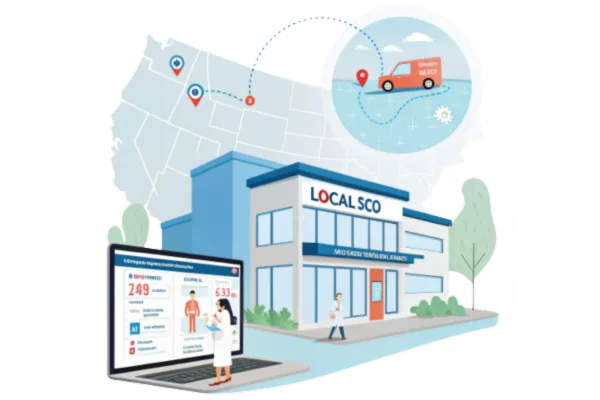
Seasonal local SEO campaigns can be a game-changer for healthcare services. Many people search for healthcare providers depending on seasons, like flu shots in winter or allergy treatments in spring. Running campaigns at the right time and targeting the right local audience can help clinics, hospitals, and healthcare centers attract more patients. These campaigns require careful planning, understanding local trends, and using the right tools to measure results. By following a structured approach, healthcare providers can reach people who need their services the most at the right moment.
1. Planning Seasonal Local SEO for Healthcare Services
When planning seasonal local SEO, it is important to first understand the patterns in your area. Healthcare needs change with seasons, local events, or public health campaigns. Start by identifying the most important seasonal services for your clinic. For example, a pediatric clinic may focus on immunizations in the fall, while allergy specialists might highlight treatments in spring. Tools like Google Trends can help you find when people search for specific healthcare services in your area. You can also use keyword planning tools like Ahrefs or SEMrush to identify high-demand search terms. Tracking local search patterns helps your campaigns stay relevant and increases the chances of patients finding your services when they need them the most. Planning at least a few months in advance allows you to prepare content, schedule promotions, and update your website for seasonal relevance.
1.1 Conducting Keyword Research for Seasonal Campaigns
Keyword research is the foundation of seasonal SEO. Start by looking for phrases people search for during different times of the year. For example, searches for “flu shot near me” spike in autumn, while “allergy doctor near me” rises in spring. Using tools like SEMrush, Moz, or Ubersuggest can help you find the right keywords for your area. These tools also show search volume trends, so you know when to push your content. For example, using Google Keyword Planner, you might find that searches for “pediatric vaccines winter 2026” increase sharply in November. Including these keywords naturally in your website content, blog posts, and social media posts helps local patients find your clinic easily. Seasonal keywords give your healthcare website a better chance to appear in local searches exactly when people need services.
1.2 Optimizing Google Business Profile for Seasons
Your Google Business Profile (GBP) is one of the most important tools for local SEO. Updating it for seasonal services ensures patients see your most relevant offerings. For instance, adding posts about flu shot availability, allergy testing, or winter health checkups can increase visibility. Tools like BrightLocal or Whitespark help track your GBP performance and local rankings. For example, you can schedule posts about free flu vaccination drives in October, which will appear in Google searches and Maps. Proper images, descriptions, and updated operating hours create trust and encourage more patients to choose your clinic. A healthcare SEO company can assist in optimizing GBP for seasonal campaigns to make sure all details are accurate and visible.
1.3 Creating Seasonal Content for Local Audiences
Content is a critical part of seasonal local SEO. Write blogs, FAQs, or guides tailored to the season. For example, a post titled “How to Prepare for Spring Allergies in Your City” can attract local patients searching for allergy relief. Using tools like Canva, you can create infographics, visuals, and posters that explain healthcare tips. Also, scheduling posts on social media platforms like Facebook and Instagram helps engage your audience before the peak season. Sharing patient tips or seasonal checklists builds authority and trust. Seasonal content should always include local references, like neighborhood names or nearby landmarks, so search engines recognize the connection to your community.
1.4 Local Link Building for Seasonal Campaigns
Local backlinks improve your website’s authority in your area. Partner with local pharmacies, schools, or community centers to publish guest posts or event updates. Tools like Ahrefs or Majestic allow you to monitor backlink profiles and find opportunities for local links. For example, collaborating with a local pharmacy for a flu awareness article can earn you a relevant backlink. Seasonal events, like free health checkups or vaccination drives, can be promoted on local websites and community blogs. Every relevant backlink strengthens your local SEO and ensures your healthcare services show up in search results when people need them most.
1.5 Tracking Seasonal Campaign Performance
Monitoring results is crucial for seasonal campaigns. Tools like Google Analytics, Google Search Console, or HubSpot allow you to track traffic, local searches, and conversions. For example, you can check if blog posts on “winter health tips” attract more local patients in December. Adjusting campaigns based on this data ensures you focus on the most effective strategies. Tracking helps identify which keywords, content, and local posts drive patients to your clinic, so future campaigns can be even more precise. A structured tracking plan ensures your seasonal SEO investment delivers measurable results.
1.6 Using Social Media to Support Local SEO
Social media is an indirect but effective part of local SEO. Sharing seasonal posts, health tips, or event announcements increases your reach. Platforms like Facebook, Instagram, and LinkedIn allow geo-targeted posts so only local audiences see your campaigns. For example, promoting a “spring allergy checkup” event to people within 10 miles of your clinic can increase bookings. Consistent posting with local references improves engagement, encourages shares, and signals relevance to search engines. Social media content should complement website content and Google Business Profile updates for maximum seasonal impact.
2. Executing Seasonal Local SEO Campaigns
Execution is where planning turns into results. Start by finalizing your campaign calendar with seasonal content, social media posts, and local events. Schedule your website updates, blogs, and Google posts in advance. Using tools like Trello or Asana can help you manage deadlines and team collaboration. Track the performance weekly to adjust messaging or offers. Execution also includes ensuring your website loads quickly, mobile optimization, and creating clear call-to-actions for patients. Successful seasonal campaigns blend timely content, local relevance, and measurable tracking to bring more patients during peak seasons.
2.1 Website Optimization for Seasonal Offers
Your website should reflect seasonal offerings clearly. Create landing pages for services like “flu shots,” “allergy testing,” or “winter health checkups.” Include local references and relevant keywords. Tools like WordPress, Wix, or Squarespace make creating new pages easy. For example, a landing page for “flu shot in Downtown Chicago” should include clinic details, map, and appointment form. Optimized meta titles, headings, and images ensure your pages appear in local searches. Seasonal landing pages guide patients directly to the services they need, increasing conversions and improving search engine rankings.
2.2 Leveraging Local Listings and Reviews
Local listings and reviews influence local SEO. Encourage patients to leave reviews on Google, Yelp, and Healthgrades. Tools like ReviewTrackers or Podium help manage and respond to reviews. For example, positive reviews mentioning “great allergy treatment in spring” highlight seasonal relevance. Accurate listings across directories ensure patients find the right clinic location and contact details. Seasonal mentions in reviews signal to search engines that your services are timely and trusted in the local community.
2.3 Running Seasonal Ad Campaigns
Paid campaigns complement SEO efforts. Google Ads or Meta Ads can target specific local audiences during peak seasons. For example, running a Google Ads campaign for “winter flu shots near me” can bring immediate traffic. Tools like SEMrush or WordStream provide insights into competitor ads and performance metrics. Seasonal ad campaigns drive quick visibility while SEO builds long-term traffic. A coordinated approach ensures maximum reach, combining organic and paid strategies effectively.
2.4 Engaging with Community Events
Community engagement strengthens local SEO. Hosting or sponsoring health camps, vaccination drives, or wellness seminars improves visibility and earns local backlinks. Websites like Eventbrite or Meetup can list your events. For example, a clinic hosting a “summer allergy awareness camp” gains local attention and search relevance. Community participation creates trust and provides content opportunities for your website and social media. Local engagement integrates your healthcare services into the community narrative, which search engines recognize.
2.5 Email Campaigns for Seasonal Reminders
Email campaigns remind patients about seasonal services. Tools like Mailchimp, Constant Contact, or Sendinblue help schedule and automate messages. For example, sending a newsletter about “fall flu shot availability” encourages existing patients to book appointments early. Emails can include links to landing pages, maps, and booking forms. Seasonal email campaigns maintain patient relationships and drive traffic to your website while reinforcing your local relevance.
2.6 Monitoring and Adjusting Campaigns
Even after launch, seasonal campaigns require monitoring. Tools like Google Analytics, SEMrush, and HubSpot allow tracking of keywords, local search rankings, and conversion rates. For example, if a winter flu campaign shows low engagement, adjusting messaging or increasing posts can improve results. Continuous monitoring ensures resources focus on strategies delivering the best return. A responsive approach keeps seasonal campaigns flexible and patient-centered.
2.7 Using Seasonal SEO Tools Effectively
Specialized tools simplify seasonal local SEO management. Google Trends identifies seasonal peaks, SEMrush tracks keyword changes, and BrightLocal monitors local rankings. Canva or Adobe Express helps design seasonal visuals for content and social media. Combining these tools allows healthcare providers to plan, execute, and track campaigns efficiently. Integrating multiple tools ensures campaigns remain relevant, timely, and visible to the local audience.
3. Conclusion
Seasonal local SEO campaigns for healthcare services require careful planning, execution, and monitoring. By researching keywords, optimizing Google Business Profile, creating seasonal content, building local links, and using tools to track performance, clinics can attract more local patients. Engagement through social media, community events, email campaigns, and paid ads amplifies the effect of SEO efforts. Consistent tracking and adjustments ensure campaigns remain effective over time. Running seasonal campaigns successfully strengthens a healthcare brand locally, increases patient visits, and provides timely care to those who need it the most.