Understanding How to Track Multi-Location SEO Performance with Advanced Dashboards
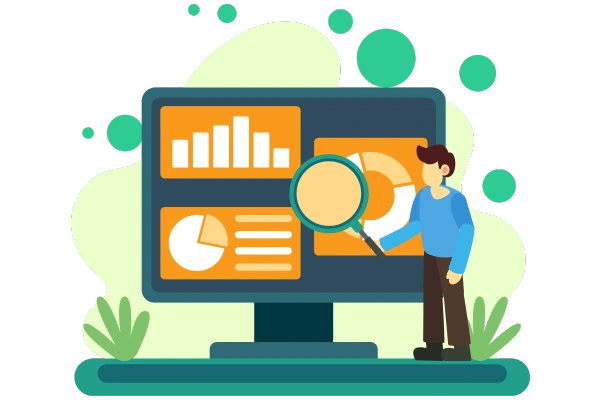
Tracking SEO performance for a single website is already challenging, but when you have multiple locations, it can feel like managing a whole map. Multi-location SEO performance is about understanding how each location ranks in search results, which keywords are driving traffic, and how users interact with local pages. Advanced dashboards help to simplify this process by combining data from different tools into one view, allowing marketers to see patterns, make comparisons, and take action faster. By using these dashboards, businesses can optimize each location individually while also maintaining a consistent brand presence online.
1. Understanding Multi-Location SEO Tracking
When you have multiple locations, it’s not enough to look at total website traffic. You need to track each branch separately to see which one is performing well and which one needs improvement. Multi-location SEO tracking involves monitoring local keywords, Google Business Profile insights, and organic traffic for each physical store or service area. Tools like SEMrush, Ahrefs, and Moz can help collect this data and organize it in one place. For example, if a restaurant chain has five locations in a city, tracking each location separately can reveal that one branch is getting more searches for “best pasta near me” while another branch is showing better results for “family-friendly restaurant.”
1.1 Local Keyword Monitoring
Keywords are the heart of SEO. For multi-location businesses, local keywords vary from place to place. Using a tool like BrightLocal or Serpstat, you can track how each location ranks for its own set of keywords. For instance, a healthcare SEO company might notice that “pediatric clinic in Brooklyn” ranks differently from “pediatric clinic in Queens.” By keeping track of these variations in an advanced dashboard, you can see which pages need optimization. Dashboards help present these rankings in charts, making it easier to spot trends and changes over time.
1.2 Tracking Google Business Profile Performance
Your Google Business Profile is often the first thing people see when searching for local businesses. For multi-location tracking, it’s important to monitor metrics like views, clicks, and calls for each location. Tools such as Synup or Yext provide data for multiple locations and feed it into dashboards. For example, one location might get a lot of calls from mobile searches while another has more website visits. With this information, marketers can decide whether to update descriptions, add posts, or improve photos to attract more customers.
1.3 Monitoring Organic Traffic Per Location
Google Analytics allows businesses to track website traffic, but for multi-location SEO, segmenting by location is crucial. Using dashboards from tools like Google Data Studio or Tableau, you can see traffic, bounce rates, and page views for each store. This helps in understanding customer behavior and adjusting content strategies. For instance, one store might have high traffic but low conversions, suggesting a need to improve the landing page. Seeing this in a dashboard allows quick decision-making without manually checking each report.
1.4 Comparing Competitors in Local Areas
It’s not enough to track your own performance; understanding how competitors rank locally is equally important. Tools like SEMrush and Ahrefs allow you to see competitor keyword rankings, backlinks, and traffic estimates. A dashboard can combine this data across multiple locations, showing which competitors are performing well in each area. For example, one location may be outranked by a competitor for “vegan restaurant near me,” and tracking it in a visual dashboard can help in adjusting SEO strategies effectively.
1.5 Tracking Reviews and Ratings
Online reviews are a major factor in local SEO. Multi-location businesses must monitor reviews for each branch. Platforms like ReviewTrackers or Podium provide review data and integrate it into dashboards. Seeing reviews per location helps in responding promptly and maintaining a positive reputation. For example, if one store receives frequent negative reviews about customer service, the dashboard shows this trend clearly, and managers can take action before it affects search rankings.
1.6 Using Advanced Dashboard Features
Dashboards are powerful when they combine multiple data sources. Google Data Studio, Tableau, or Klipfolio can connect to Google Analytics, Google Business Profile, and keyword tracking tools. These dashboards allow filters, graphs, and trend lines to simplify complex data. For instance, a marketing manager can filter results by city, location, or keyword, seeing all critical SEO metrics in one view. This not only saves time but ensures that decisions are based on comprehensive data rather than guessing.
2. Tools and Techniques for Multi-Location SEO Dashboards
Advanced dashboards are only as useful as the data and tools behind them. Choosing the right tools and techniques ensures that multi-location SEO tracking is accurate, easy to understand, and actionable. Using multiple data sources and integrating them into one visual dashboard helps businesses make informed decisions faster. This section will cover the main tools, data points, and methods used to track multi-location SEO effectively.
2.1 Integrating Google Analytics with Dashboards
Google Analytics is a free and essential tool for tracking website traffic. When tracking multiple locations, businesses can use custom segments and filters for each location. By integrating Google Analytics with dashboards like Google Data Studio or Tableau, you can visualize traffic trends, bounce rates, and user behavior. For example, a retail chain can see which store pages have the highest engagement and which need content updates. This integration saves time by presenting all data in a single, understandable view.
2.2 Connecting Google Business Profile Data
Google Business Profile provides metrics for visibility, searches, and customer actions. Tools like Synup, Yext, and Local Viking can pull this data for multiple locations and display it on dashboards. For example, a healthcare SEO company managing multiple clinic locations can see which branches receive the most calls or direction requests. Dashboards allow managers to act quickly, such as updating hours or responding to customer questions to improve local SEO performance.
2.3 Automating Keyword Rank Tracking
Keyword rankings change frequently, especially for local searches. Using tools like SEMrush, Ahrefs, or Moz, businesses can track keyword positions for each location automatically. Dashboards can show trends over time, highlighting which keywords are improving or dropping. For example, a chain of coffee shops can monitor searches like “best espresso near me” for each city location. This automation reduces manual work and ensures accurate reporting.
2.4 Monitoring Backlinks and Local Citations
Backlinks and citations are critical for local SEO. Tools like Ahrefs, Moz Local, or Whitespark track backlinks and local listings for multiple locations. Dashboards can consolidate this data and highlight missing or inconsistent citations. For instance, if one store’s address or phone number is wrong on Yelp, the dashboard can show it clearly. Correcting these inconsistencies ensures better local rankings across all locations.
2.5 Visualizing Multi-Location SEO Metrics
Visualization helps in understanding large amounts of data quickly. Advanced dashboards like Tableau or Klipfolio allow users to create charts, maps, and graphs for each location. For example, a business can see a heat map of search visibility across all cities it operates in. This visual representation makes it easier to identify strong and weak areas. It also allows teams to communicate insights to management clearly and efficiently without overwhelming them with raw data.
2.6 Combining Multiple Tools in One Dashboard
Using multiple SEO tools separately can be confusing. Advanced dashboards allow data from Google Analytics, Google Business Profile, SEMrush, Ahrefs, and review platforms to be combined. For instance, a national restaurant chain can monitor keyword rankings, traffic, reviews, and competitor performance for every branch in one dashboard. This integrated approach makes it easier to compare locations and prioritize actions based on real-time data. The convenience and clarity help marketers make faster, more effective decisions for each location.
2.7 Reporting and Insights for Teams
Dashboards are not just for tracking but also for sharing insights with teams. Custom reports can be set up for managers, marketing teams, or franchise owners. Tools like Data Studio and Tableau allow scheduled email reports with clear visuals and explanations. For example, a franchise owner can receive a weekly report showing which locations improved in search visibility and which keywords need attention. This ensures everyone is informed and actions are based on solid data rather than guesswork.
3. Conclusion
Tracking multi-location SEO performance with advanced dashboards is essential for businesses with more than one physical presence. By monitoring local keywords, Google Business Profile metrics, organic traffic, reviews, and competitor activity, marketers can make informed decisions. Advanced dashboards consolidate data from multiple tools like Google Analytics, SEMrush, Ahrefs, and review platforms into one visual interface. This allows for easier comparisons, quicker insights, and better optimization for each location. Using these methods, businesses can improve search visibility, attract more customers, and maintain a strong online presence across all locations.