Understanding How to Optimize Hospital Websites for Conversational Voice Queries
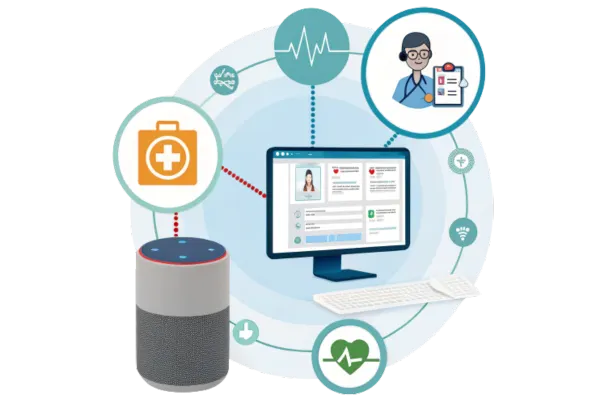
Hospitals today are not just places for treatment. Many people look online first before even deciding which hospital to visit. Voice search is becoming popular because it is faster and easier than typing. People ask their phones or smart devices questions like, “Where can I find a pediatrician near me?” or “Which hospital has 24-hour emergency service?” Optimizing a hospital website for these voice queries can make a big difference. If your website answers questions clearly and quickly, patients are more likely to call or visit. In this blog, we will explain how to make hospital websites better for voice searches using simple methods anyone can follow.
1. Understanding How Voice Search Works
Voice search works differently than typing. When someone types, they often use short words or keywords. When they speak, they use full sentences or questions. This means your hospital website needs to understand the way people talk naturally. Tools like Google Search Console or Answer the Public can help you see what questions people ask about hospitals. For example, many people might ask, “What hospital has the best maternity care?” By checking these tools, you can write content that answers these questions. A hospital website that is clear and easy to read will appear higher in voice search results.
1.1 Use Natural Language in Content
Your website content should sound like how people speak. For example, instead of writing, “Our hospital provides orthopedic care,” you can write, “Looking for a doctor for your broken bone? Our hospital can help.” Natural language makes it easier for voice assistants like Alexa or Google Assistant to pick up your page. Tools like Grammarly and Hemingway App can help you make your writing simple and conversational. Also, websites like Quora or Reddit can show real questions people ask. This helps you match your content with the way people naturally ask questions about healthcare.
1.2 Focus on Local SEO
Voice searches often include location. People usually ask, “Where is the nearest hospital?” or “Which hospital is open near me?” Optimizing for local SEO helps your hospital show up in these searches. Google My Business is a key tool here. Make sure your address, phone number, hours, and services are accurate. Also, adding local keywords in your content, like city or neighborhood names, improves chances of being found. For example, “Looking for a pediatric hospital in Brooklyn?” can lead users directly to your site if your content matches their question.
1.3 Optimize Website Speed and Mobile Experience
Most voice searches happen on mobile phones. If your hospital website is slow or hard to navigate on a phone, people will leave. Tools like Google PageSpeed Insights or GTmetrix can help check your website speed. A clean design, fast loading pages, and easy menus make it easier for voice assistants to access your information. For example, if someone asks, “Can I schedule an appointment today?” a fast website that shows the answer quickly will rank better.
1.4 Add FAQ Sections
Adding a Frequently Asked Questions (FAQ) section is very useful. FAQs let you answer common questions people ask naturally. You can include questions like “Do you have a cardiologist available on weekends?” or “How can I book a COVID-19 test?” Tools like Schema Markup help search engines understand these questions better. For example, Google may directly read your FAQ and answer a user’s voice query. Websites like Schema.org provide guides for marking up your content properly.
1.5 Use Structured Data and Schema
Structured data helps search engines understand your website content. It can show information like services, doctors, and contact details directly in search results. Tools like Google’s Rich Results Test can check if your structured data works correctly. This is especially helpful for voice search because digital assistants can read your content accurately. Adding structured data for hospital services, departments, and doctor profiles makes your content more visible.
1.6 Track Voice Search Queries
Tracking what people ask through voice search is important. Tools like Google Analytics, Ahrefs, or SEMrush can show which keywords or questions bring traffic. By analyzing this data, you can create more content that answers patient needs. For example, if many people search for “best orthopedic surgeon near me,” you can create a dedicated page that answers this question clearly. Over time, this improves your website’s visibility and patient engagement. A good healthcare seo company can help track and improve these queries effectively.
2. Improving Content for Voice Search
Content plays the biggest role in voice search optimization. If your content is easy to read and informative, voice assistants can find answers quickly. Short sentences, clear language, and answering real questions help your website appear in voice search results. The next sections explain how to make content better for hospitals.
2.1 Create Conversational Headlines
Headlines should be clear and sound like a question or answer. Instead of “Our Cardiology Department,” use “Looking for Heart Care Specialists Near You?” Voice search prefers content that directly answers questions. Tools like CoSchedule Headline Analyzer can check how easy your headlines are to read. Websites like HubSpot show examples of good conversational headlines. Writing this way increases chances that voice assistants will read your content aloud.
2.2 Include Long-Tail Keywords
Long-tail keywords are phrases people speak naturally, like “Which hospital near me has pediatric care on weekends?” Unlike short keywords, long-tail phrases match voice search patterns. Tools like Ubersuggest or SEMrush can suggest common long-tail keywords. For example, including a phrase like “24-hour emergency room in Chicago” can make your hospital website appear in voice search results when people ask.
2.3 Write Answer-Oriented Paragraphs
Paragraphs should quickly answer questions. People asking voice queries want fast answers, not long explanations. Each paragraph should give information directly. For example, if someone asks, “How do I book an MRI?” your paragraph should explain the process step by step. Apps like Grammarly or SurferSEO can help structure paragraphs for clarity. Clear answers increase the chance that a voice assistant will use your content directly.
2.4 Use FAQ Pages Strategically
A well-designed FAQ page can cover many voice queries. Include specific questions people ask, such as “Do you accept insurance?” or “What are your visiting hours?” FAQ pages work well with Google’s featured snippets, which voice assistants often read aloud. Tools like Ahrefs can show the questions people search the most about hospitals. Updating your FAQ regularly keeps your content relevant and useful.
2.5 Include Voice-Friendly Multimedia
Adding images, videos, or infographics helps voice search indirectly. Videos with captions, for example, can be read by search engines and show up in results. Tools like Canva or Lumen5 make creating voice-friendly visuals easy. For example, a short video showing “How to Schedule a Doctor Appointment Online” can appear when someone asks the same question via voice search.
2.6 Monitor Performance Regularly
Regular monitoring helps see what works and what doesn’t. Tools like Google Search Console or SEMrush can show which pages get voice search traffic. By tracking these metrics, hospitals can adjust content and improve performance. Over time, analyzing trends like “Which services are asked about most?” helps refine content strategy for voice search. Consistent updates ensure the hospital website stays relevant and easy to use for patients.
3. Conclusion
Optimizing hospital websites for conversational voice queries is important because patients now rely on voice assistants to find information quickly. Using natural language, long-tail keywords, structured data, and FAQs helps hospitals answer questions directly. Local SEO, website speed, and mobile-friendliness make websites more visible in voice search results. Tools like Google Search Console, SEMrush, Ahrefs, and Grammarly make it easier to track performance and improve content. By focusing on real patient questions and providing clear answers, hospitals can attract more visitors and serve their patients better, making their online presence both helpful and reliable.