Understanding How to Optimize SEO for Childhood Vaccination and Wellness Visit Pages
Ensuring that parents can easily find information about childhood vaccination and wellness visits online is very important. Most parents search online when they want to know about vaccines, schedules, or how often their child should visit the doctor. If your website is not easy to find, parents might end up looking at unreliable sources. SEO, which stands for Search Engine Optimization, helps your page show up higher on Google, Bing, or other search engines. Optimizing your website means making it easier for search engines to understand your content, so more people can see it. In this guide, we will explain very simple ways to make your vaccination and wellness visit pages better so that parents can find them quickly and learn the right information.
1. Understanding SEO Basics for Health Pages
Before diving into detailed techniques, it is important to understand the basics of SEO for health-related pages. SEO is about improving your website so that search engines know what your page is about. For childhood vaccination, this could include words like “immunization schedule,” “wellness checkups,” or “vaccine safety.” Using these words naturally in your page content helps search engines understand your topic. Tools like Google Keyword Planner and SEMrush can help you find which words parents are searching for most often. For example, if you see that “first-year vaccines for babies” is searched a lot, you should include this phrase in your content. Websites like CDC.gov or WHO.int can also give accurate information that you can use to make your content trustworthy.
1.1 Optimizing Page Titles and Meta Descriptions
The title of your page is the first thing people see in search results. It should clearly explain what your page is about. For example, a good title could be “Childhood Vaccination Schedule and Wellness Visits.” The meta description, which is the small text under the title in search results, should also explain the page in simple words. Meta descriptions should be short but inviting, telling parents that they can learn about vaccines, their schedule, and wellness visits. Tools like Yoast SEO or RankMath can help you write effective titles and descriptions. These tools show you if your keywords are used well and if your descriptions are the right length. You can also see examples of top-ranking health pages to understand how they write their titles and descriptions.
1.2 Using Simple and Clear Content
Content is the most important part of SEO. Parents want information that is easy to read and understand. Using simple words, short sentences, and clear headings makes your page more readable. For example, instead of writing “immunizations are administered according to age-specific guidelines,” you can say “Your child gets vaccines at certain ages to stay healthy.” Adding helpful images or videos showing vaccine schedules or wellness checkups makes the content easier to understand. Apps like Canva can help create simple infographics, and YouTube videos from health experts can be embedded on your page. Clear content helps parents spend more time on your site, which improves your search rankings.
1.3 Internal Linking for Better Navigation
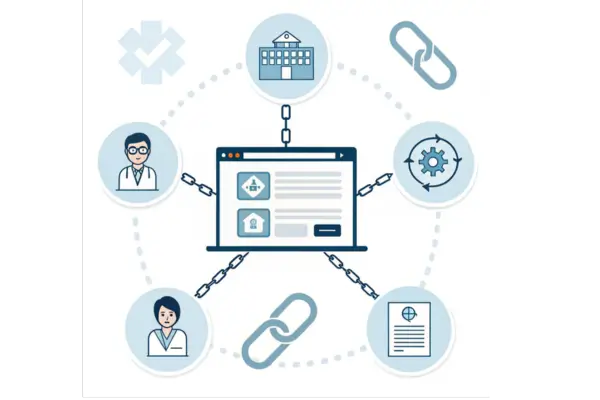
Internal linking means connecting different pages on your website with links. For example, on a vaccination page, you can link to pages about specific vaccines or wellness checkups. This helps search engines understand how your pages are related and helps parents find more information easily. Tools like Ahrefs or Moz can analyze your website and show which pages are linked well and which need improvement. For example, if you have a page about “Measles Vaccine,” you should link it to “Vaccine Side Effects” and “Wellness Visit Tips.” Internal linking also helps parents stay on your site longer, which search engines see as a positive signal.
1.4 Mobile-Friendly Design
Most parents search for health information on their phones. If your website does not look good on mobile, visitors may leave quickly. Mobile-friendly design means that your page adjusts to any screen size, has readable text, and easy navigation. Google’s Mobile-Friendly Test can check your site and suggest improvements. Websites like Wix or WordPress make it easy to create mobile-friendly pages without coding. Responsive design ensures that parents can read vaccine schedules or appointment information easily on phones, tablets, or computers. This is an important part of SEO because search engines give higher rankings to mobile-friendly websites.
1.5 Using Images, Videos, and Alt Text
Adding images or videos can make your page more engaging. Photos of children visiting doctors, vaccine charts, or instructional videos can help parents understand the content better. However, search engines cannot read images, so you need to use alt text, which is a short description of each image. For example, for a picture showing a vaccine schedule, alt text could be “Childhood vaccine schedule chart showing vaccines at different ages.” Tools like Canva and Adobe Express help create visuals and add proper alt text. Including images and videos also helps your page appear in Google Images or YouTube search results, increasing visibility.
1.6 Page Load Speed
If your page takes too long to load, parents may leave before reading anything. Fast-loading pages are also ranked higher by search engines. Tools like Google PageSpeed Insights or GTmetrix show how fast your page loads and what needs to be fixed. For example, large image files can slow down your page, but compressing them with TinyPNG or using optimized formats can make the page faster. Websites built on WordPress can use caching plugins like WP Rocket to improve speed. Fast pages provide better experience for parents and help your SEO ranking.
1.7 Tracking Performance with Analytics
After making your pages better, it is important to track how well they perform. Google Analytics and Google Search Console are free tools that show which pages are visited the most, which keywords bring traffic, and how long visitors stay. For example, if your wellness visit page gets fewer visitors than expected, you might need to add more clear content or links. Tracking performance helps you improve continuously. Apps like SEMrush and Ahrefs also provide insights into traffic, backlinks, and keyword rankings. Using these tools ensures that your pages are always visible to parents looking for vaccination and wellness information.
2. Advanced Techniques to Boost Visibility
Once the basics are done, you can focus on advanced SEO strategies that improve visibility even more. Advanced techniques help your website stand out among other health websites and reach parents faster.
2.1 Local SEO for Pediatric Clinics
Parents usually search for nearby clinics for vaccines or wellness visits. Local SEO helps your clinic appear in local searches. Google My Business is a free tool where you can list your clinic’s address, working hours, and contact information. Including local keywords, like “pediatric clinic in Mumbai” or “child vaccine center near me,” helps your page appear in local searches. Tools like BrightLocal or Moz Local can manage local listings and track reviews. Local SEO ensures that parents find your clinic easily when searching on Google Maps or Google Search.
2.2 Creating Blog Content Around Vaccines
Adding a blog section can increase website traffic. For example, you can write posts like “Top 5 Tips for Your Child’s First Wellness Visit” or “Why Vaccines Are Important for Babies.” Each blog post can include links to your main vaccination or wellness pages. Tools like Grammarly or Hemingway App help write simple, readable content. Blogging also allows you to naturally include keywords like “child vaccination schedule” or “healthcare seo services” somewhere in the content without making it sound forced. Consistently posting blogs increases authority in your niche and attracts more visitors.
2.3 Using Structured Data
Structured data is code that tells search engines exactly what your page is about. For vaccination pages, you can use schema markup to show details like vaccine type, recommended age, or clinic hours. Tools like Google’s Structured Data Markup Helper or Schema App can create this code. Structured data can make your page appear in rich snippets in search results, like showing a schedule or ratings, which grabs attention and increases click-through rates.
2.4 Earning Backlinks from Trusted Sources
Backlinks are links from other websites pointing to your page. Search engines see backlinks from trusted sites like CDC, WHO, or reputable health blogs as a sign that your content is valuable. You can reach out to parenting websites or local news outlets and offer guest posts with links to your vaccination pages. Tools like Ahrefs or Majestic can show which sites link to you and which competitors get backlinks. Having good backlinks increases your website’s credibility and ranking.
2.5 Optimizing for Voice Search
Many parents now ask Google Assistant or Alexa questions like “When should my child get the measles vaccine?” Optimizing your page for voice search means using conversational questions and answers in your content. Tools like AnswerThePublic or SEMrush’s Topic Research can show what questions people ask. Writing content that answers these questions directly increases the chance of appearing in voice search results. For example, a heading like “When does a child need their first vaccine?” followed by a simple answer is perfect for voice search.
2.6 Using Social Media to Drive Traffic
Social media platforms like Facebook, Instagram, and Pinterest can drive visitors to your website. Sharing posts about vaccination tips or wellness visit reminders can reach local parents. Tools like Buffer or Hootsuite help schedule posts and track engagement. For example, a short video showing the vaccination process or a wellness visit checklist can link back to your main page. Social media increases visibility and helps search engines see your website as active and trusted.
2.7 Continuous Monitoring and Updates
Health information changes over time, so keeping your pages updated is crucial. Google rewards pages that are current and accurate. Using tools like Google Alerts for “child vaccination updates” helps you stay informed. Updating pages with new schedules, vaccine information, or clinic policies ensures that parents always see the latest guidance. Continuous monitoring using tools like SEMrush or Ahrefs ensures your website remains competitive and highly visible.
2.8 Improving User Experience
A website that is easy to navigate keeps parents engaged. Simple menus, clear headings, and a search bar help visitors find information quickly. Tools like Hotjar or Crazy Egg can show where visitors click and which parts of your page they skip. Improving user experience reduces bounce rates and signals to search engines that your page is helpful. For example, if parents easily find vaccine schedules and wellness tips, they are more likely to visit again and recommend your site to others.
3. Conclusion
Optimizing SEO for childhood vaccination and wellness visit pages is very important because it ensures parents get accurate and easy-to-understand information. Starting with basics like clear titles, simple content, mobile-friendly design, and fast page loading sets a strong foundation. Advanced techniques such as local SEO, blogging, structured data, backlinks, and social media help your pages reach more parents. Tools like Google Analytics, SEMrush, Ahrefs, and Google Search Console make it easy to track progress and improve continuously. With consistent updates and attention to user experience, your website can become a trusted resource for parents seeking vaccination and wellness information, helping children stay healthy and safe.