Understand What Color and Pattern Search Is
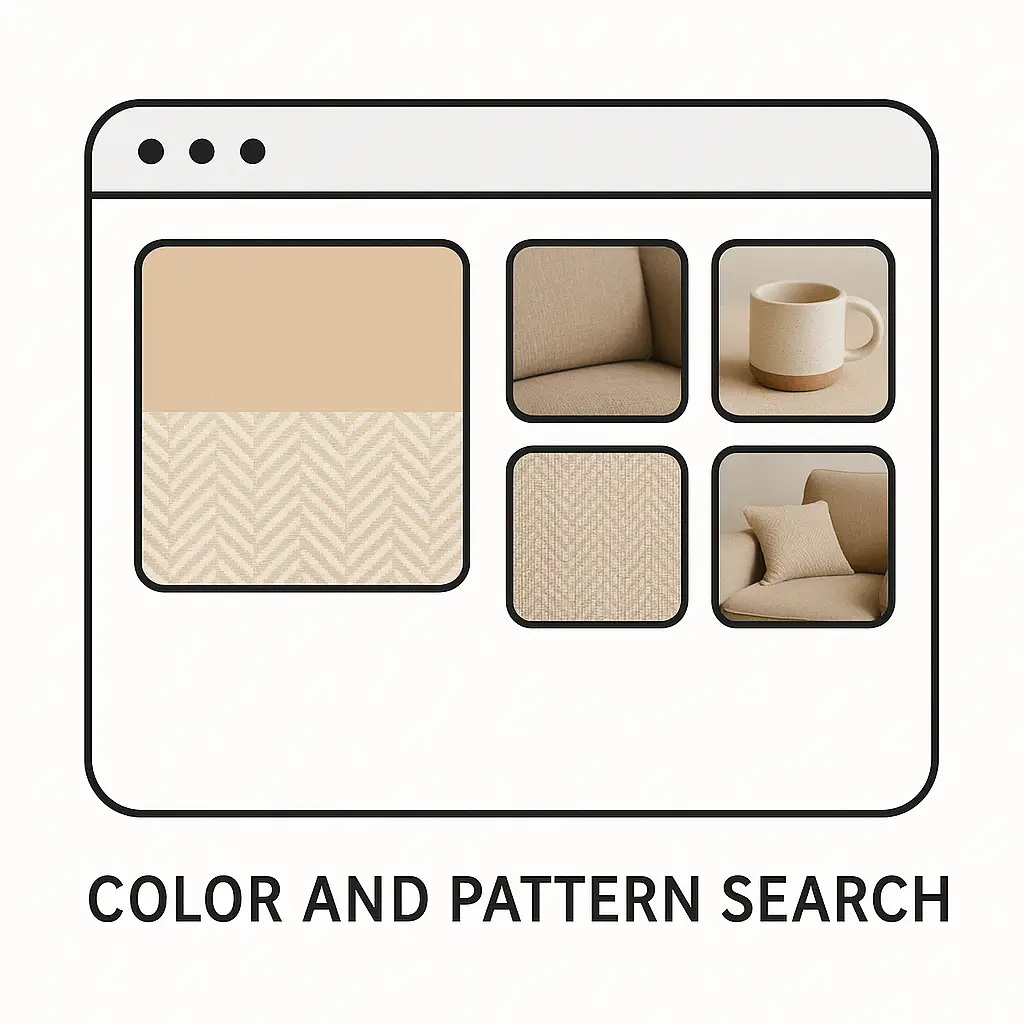
Color and pattern search is a simple idea that helps people find items based on the colors and patterns they see rather than using long descriptions or product names. It works by matching visual elements in images so users can locate objects that share similar looks. This kind of search feels natural because people usually notice colors, shapes, or repeated designs before they think of exact words to type. It helps users explore results in a way that feels closer to how they notice things in daily life. Many online tools and design platforms now use it, since it makes searching quicker and easier for anyone who wants to find items through visual cues.
1. How Color and Pattern Search Works
Color and pattern search works by looking at the main visual parts of an image and comparing them with other images in a collection. It studies shades, shapes, lines, and textures to find matches that share similar features. This makes searching more flexible because users do not need to know exact names or technical terms. They only need a picture or a sample, and the system handles the rest. Some tools use simple color picking, while others use advanced systems that scan deeper details in the image. No matter the method, the idea is to connect what the user sees with items that look alike.
1.1 Color extraction in simple form
Color extraction starts by finding the main shades in an image and listing them in a way the system can understand. It picks out the strongest colors and groups them into a small set. These colors act like tags that identify the overall look. When someone searches, the system compares these tags with other images and shows the closest matches. This helps people find items that share similar tones even if the rest of the image looks different. For example, design tools like Canva use simple color pickers that help people match shades without needing any technical steps. It makes the process very smooth and easy for anyone to follow.
1.2 Detecting edges and shapes
Pattern search often begins by spotting lines, corners, and curves inside an image. These small details help the system understand how a pattern is built. The shapes are compared against other images to find similar layouts. This method works well for stripes, checks, waves, and many other repeating designs. It also helps separate busy patterns from simple ones by studying how the elements repeat. The more clear the edges and shapes are, the easier it becomes to match them with images that share the same structure. This kind of detection makes the search feel more natural and reliable for users.
1.3 Reading texture and surface details
Some searches go beyond colors and shapes to read textures that appear inside the image. Texture includes things like roughness, smoothness, grain, and small repeating marks on the surface. These details help the system understand if a pattern is soft-looking, crisp, dense, or spaced out. Many apps that help designers use this method to match fabrics, wallpapers, or even tiles. It makes searching more accurate because texture affects how a pattern feels visually. When the system looks at textures, it can quickly group items that share a similar visual surface, giving people better matches during their search.
1.4 Matching repeating structures
Patterns often include repeating blocks of shapes or symbols. The system captures these repeated parts and turns them into a simple form it can compare. Once this is done, pattern search becomes stronger because it can tell if two images share the same rhythm of repeats. This helps people find similar prints in clothing, décor, and many other items. Even tiny repeats can be captured using simple scanning steps that look for recurring shapes and distances. By reading these structures, the system becomes more helpful for users who need consistent pattern styles.
1.5 Using simple visual similarity scoring
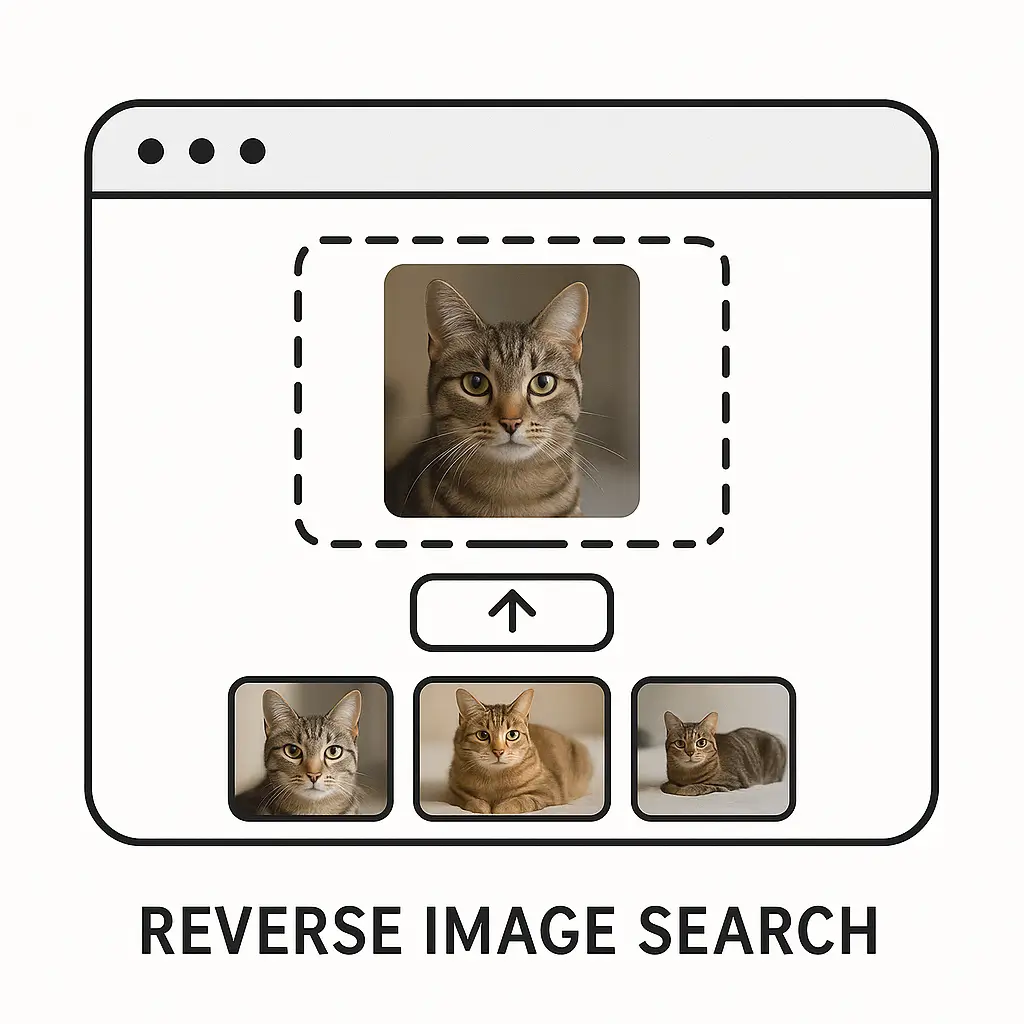
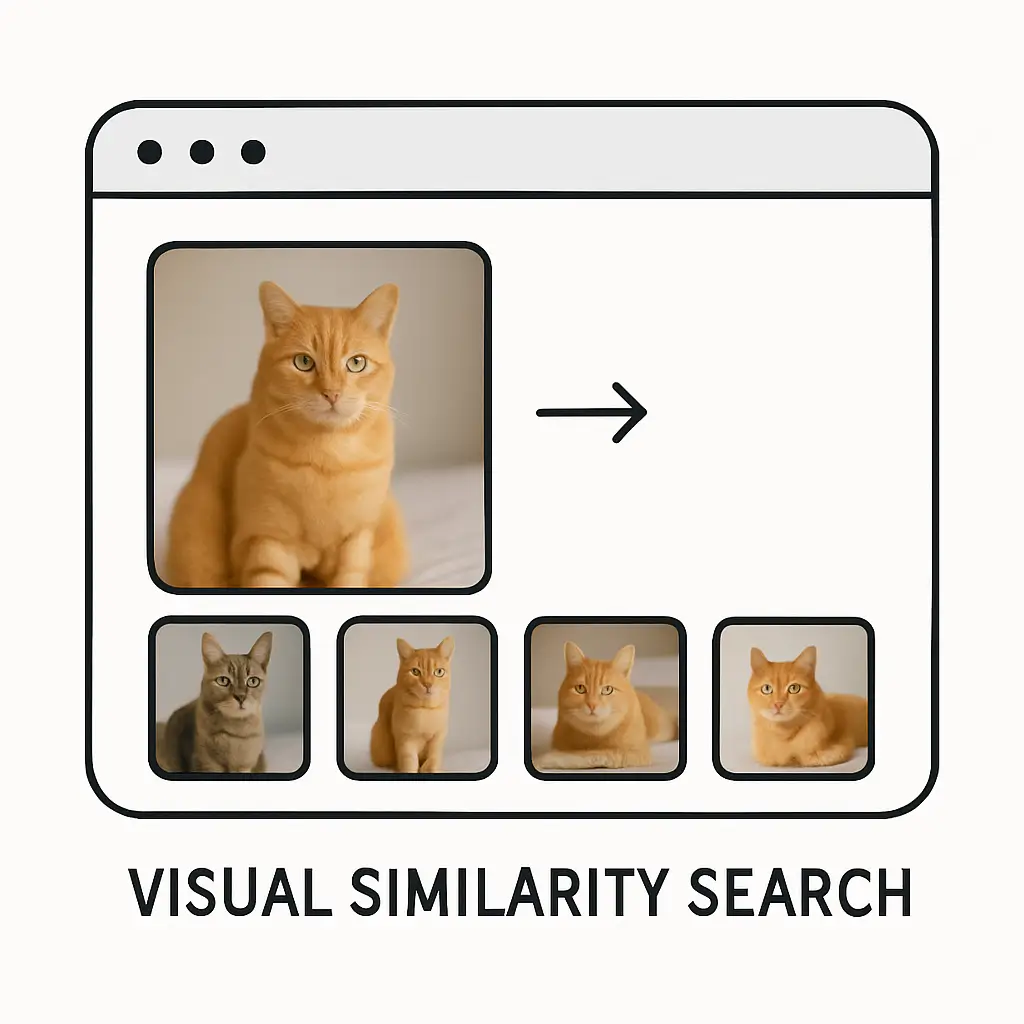
After extracting colors, shapes, and textures, the system scores how close two images are. This score helps sort results from the closest match to those that differ only a little. The scoring step ensures that people see the most relevant images first. These scores change based on how much weight the system gives to color or pattern. A tool like Google’s reverse image search uses a basic form of visual similarity, which many people find useful because it shows results that look close to the starting image. This approach makes the search fast and easy to understand.
2. Why Color and Pattern Search Matters
Color and pattern search matters because people often remember how something looks long before they remember its name. It supports natural searching by letting people rely on visual memory, and it stands as one of the simple image search techniques that help the system notice colors, shapes, and repeating styles. This reduces frustration and makes discovery feel smoother. It is also important because many items, such as fabrics, home décor, or clothing, are chosen based on visual feelings rather than written descriptions. Color and pattern search brings these items forward in a helpful way. It is also useful for students, artists, and shoppers who want quick access to matching styles without needing expert knowledge.
2.1 Makes searching easier for everyone
Many people struggle to describe a pattern or shade using words. Color and pattern search removes this difficulty by letting users upload an image or pick colors directly. This makes searching open to people of all ages, skill levels, and languages. It helps reduce mistakes and speeds up the process because visuals tend to be more precise than words. People can rely on their eyes instead of long text descriptions. This also makes shopping or designing less stressful, since the search reacts to simple visual input.
2.2 Helps users find exact matches
Because the system compares images based on their visual parts, it becomes easier to find items that match closely. This is helpful in décor, fashion, and craft projects where even small changes in shade or pattern matter. A person who wants matching curtains and cushions, for example, can use color and pattern search to find items that look similar. Tools that allow color picking, such as Adobe Color, help users match tones with a few clicks, making the process more reliable. The accuracy makes people trust the system more over time.
2.3 Makes shopping more natural
When people shop, they often show someone a picture and ask for something similar. Color and pattern search recreates this simple act on digital platforms. Instead of typing long descriptions, users rely on what they can see. This makes the shopping experience feel closer to real life. It also reduces confusion that can happen when reading product names that do not fully describe the item. As a result, people spend less time searching and more time choosing from options that make sense visually.
2.4 Saves time in creative work
Designers, artists, and students often need matching visuals for their work. Color and pattern search speeds up this process by showing close matches quickly. It reduces the manual work of scanning through many pages of unrelated items. This helps people focus their time on creating instead of searching. It also supports inspiration because seeing similar items can trigger new ideas. When color and pattern search is used in design tools, it helps people stay organized and efficient.
2.5 Helps people compare styles
Color and pattern search makes it easier to compare different looks side by side. Users can find similar items and study how small details differ between patterns or shades. This helps in choosing the right look for a project or outfit. It also helps people understand which colors blend well and which patterns feel balanced. With this kind of comparison, decision-making becomes clear and steady. It also reduces the chances of mismatched choices because everything is selected visually.
3. Areas Where Color and Pattern Search Is Useful
Color and pattern search works across many fields where visuals matter. It is helpful in fashion, décor, art, education, and even in simple daily tasks like matching items at home. Professionals and beginners benefit from it equally because the method is easy to use. It fits nicely into online platforms and mobile apps, making it widely accessible. As more industries focus on visual tools, color and pattern search becomes an important part of modern browsing.
3.1 Fashion and clothing selection
Color and pattern search plays a strong role in fashion because many choices depend on look and style. People use it to find clothes that match or complement what they already own. It helps shoppers find similar prints, tones, and textures that reflect their taste. A person who sees a pattern on social media can upload it and explore matching outfits online. This allows fashion inspiration to flow smoothly into practical choices. It also helps stylists compare looks quickly.
3.2 Interior décor and home styling
In home décor, matching colors and patterns is important because all items must work together in a room. Color and pattern search helps people find curtains, rugs, pillows, or wallpapers that share similar visuals. Instead of relying on memory, users can search using photos of their room. The system shows items that blend well with the environment. This makes decorating easier and reduces the risk of choosing items that clash. It also gives people a sense of confidence in their choices.
3.3 Art and creative projects
Artists often look for colors or textures that match their ideas. Color and pattern search helps them explore options without spending long hours searching manually. Whether they work with paint, digital tools, or crafts, visual search supports their creative flow. Students working on school projects can also use simple pattern matches to find inspiration without needing expert knowledge. Seeing related visuals allows ideas to grow naturally and supports learning.
3.4 Product design and branding
Companies that design packaging, posters, or labels often look for patterns that feel right for their message. Color and pattern search helps teams explore designs that match their theme. It also keeps the process organized, since visual matching is faster than scrolling through endless catalogs. Designers can match shades to brand colors and patterns to brand style. This makes their work consistent and easier to manage across different products.
3.5 Organization and personal collections
People who keep collections of fabrics, images, or craft supplies can use color and pattern search to organize their items. It becomes easier to find similar pieces and store them in a meaningful way. For example, a person can scan their fabric pieces and group them by shade or pattern type. This reduces clutter and makes future projects smoother. Visual organizing feels more natural because it follows how people already think about colors and designs.
4. Simple Methods Used in Color and Pattern Search
Color and pattern search uses methods that may sound complex, but they operate in very simple steps behind the scenes. These methods look at the parts of an image and compare them with other images. They handle tasks like breaking colors into groups, noticing shapes, and reading repeating parts. These steps happen quietly while the user only sees the final results. This keeps the experience easy and friendly.
4.1 Breaking colors into groups
Many systems start by sorting colors into a small number of groups. This makes the search process steady because the system does not need to track every tiny shade. It sees the main colors and uses those to find matches. This step works for clothing, décor, and many other items where large color areas matter most. Once the groups are formed, the system can compare items quickly. It keeps the search smooth and helps show the closest matches without much delay.
4.2 Finding repeated lines in patterns
To read a pattern, the system looks closely at how lines and shapes repeat. It studies the direction, spacing, and rhythm of the design. When a pattern repeats in a steady way, the system recognizes this and looks for images that share the same structure. This method works well for stripes, checks, and other common designs. It also helps identify more complex patterns by focusing on how each part fits into the whole. This keeps the search clear and accurate.
4.3 Spotting small texture clues
Textures give patterns their character, and the system reads these clues by looking at tiny changes in light and shadow. It notices if a surface looks grainy, smooth, dotted, or fuzzy. These clues help separate one pattern from another even if the colors look similar. This makes the search more reliable for items like carpets, fabrics, and wallpapers. By reading textures, the system offers results that feel close to what the user expects.
4.4 Matching simple visual features
After gathering information from colors, shapes, and textures, the system compares them to other items. It looks for simple visual features that match. These may include small shapes, curves, or patches of color. The matching is done using quick steps that keep the search easy to run. A tool like Pinterest Lens uses similar steps to show visually related items when users upload an image. This kind of matching is helpful because it focuses on what people truly see.
4.5 Sorting results by closeness
Once matches are found, the system sorts them by how close they are to the starting image. This makes browsing easier because the best matches appear first. The closeness is a simple measure of how many visual parts look alike. Even if two images do not match perfectly, they can still appear if they share important parts. This steady sorting helps people move through results with confidence and clarity.
5. Benefits of Using Color and Pattern Search
The benefits of color and pattern search appear in simple everyday moments. It helps people find what they need quickly and makes searching feel friendly and natural. It reduces stress, clears confusion, and brings useful matches directly to the user. Many people enjoy it because it works through images instead of long descriptions. It fits into daily tasks and supports both personal and creative needs.
5.1 Reduces search frustration
Typing long descriptions can be tiring, especially when someone is unsure how to express what they want. Color and pattern search removes this problem by letting people rely on visuals. This leads to fewer errors and quicker results. It also helps people who speak different languages or have difficulty writing detailed descriptions. The search becomes more welcoming and easier to follow.
5.2 Builds confidence in choices
When people see items that look close to what they want, they feel more confident making decisions. Color and pattern search provides clear matches that help people trust their choices. This is useful in decoration, shopping, and creative work. When users can see similarities clearly, they worry less about whether the item will look right. The search supports this comfort by offering steady and clear results.
5.3 Supports learning through visuals
Visual learning is natural for many people, and color and pattern search encourages this style. Students and beginners can explore colors and patterns without needing special terms. They can see examples and understand how different visuals relate to one another. This helps build awareness about design, color balance, and pattern structure. It also keeps learning simple and enjoyable.
5.4 Helps plan matching sets
People often look for items that match each other. Color and pattern search helps them plan sets in clothing, décor, or crafts. By showing related visuals, it allows users to build sets that look connected. This makes planning easier and reduces mistakes. It also helps people add new items to their collections without losing harmony in their style.
5.5 Makes exploring fun and simple
Color and pattern search adds a sense of ease to browsing. Instead of scrolling endlessly, users can explore through images that feel close to their interest. This makes the process more enjoyable and less tiring. It also opens doors to discoveries because similar visuals appear that the user may not have expected. The search becomes a steady flow of ideas rather than a difficult task.
6. Future of Color and Pattern Search
The future of color and pattern search looks simple and promising. As technology improves, the process will become even more natural and easy for everyone to use. The systems will get better at reading small details, grouping colors, and matching patterns in ways that feel closer to how people see things. These changes will help users find what they need with less effort and more clarity. The search will blend smoothly into daily apps and tools, making visual discovery a regular part of everyday life.
6.1 More accurate color reading
Future tools will read colors with more accuracy, making matches even closer to the original image. This will help people who need very precise shades for décor or design. The systems will understand small changes in light, reflection, and shadow. This will lead to smoother searches and better results. People will have more control over how they explore colors and match them to their needs.
6.2 Better pattern understanding
Pattern reading will become clearer as systems learn to recognize complex shapes and structures. Even patterns with mixed colors or soft edges will be easier for tools to understand. This will help users find matches in fabrics, wallpapers, and many other items. The improved clarity will make searching feel steady and accurate. People will enjoy smoother results with little effort.
6.3 Easier use across devices
Color and pattern search will work smoothly on phones, tablets, and computers. Users will be able to take a photo and search instantly with simple steps. This will make visual search part of daily habits. People will use it while shopping, decorating, or planning projects. The ease of use will make the search feel natural and helpful in many situations.
6.4 Clearer organization of results
Future tools will sort results in ways that feel simple and easy to follow. Similar visuals will appear together, making comparison smoother. Users will have an easier time understanding differences in patterns and colors. The results will feel organized in a natural manner that supports steady decision-making. This will help people find what they need without confusion.
6.5 More support for personal creativity
As color and pattern search grows, it will inspire people to try new ideas in art, design, and personal projects. The tools will make exploration simple and help people find visuals that fit their style. This support will encourage creativity and keep projects moving without delay. People of all ages will benefit from the gentle and steady help the tools provide through visual matching.