
Fashion SEO Tricks to Improve Clothing Sales
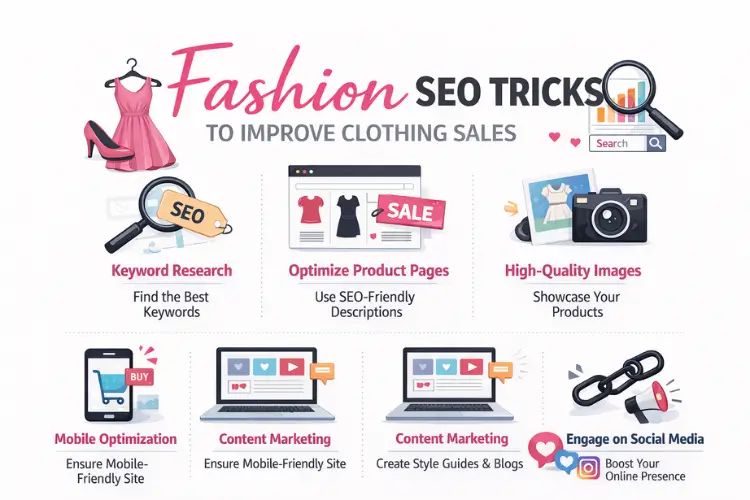
Fashion SEO helps clothing brands show up when people look for outfits, styles, or trends online. When a brand appears at the right time, more people visit the store and buy something. This blog explains simple and clear Fashion SEO methods that work for all clothing stores. You will understand how these steps help your website appear more often in search results so more people find your clothes, trust your brand, and complete a purchase. Everything is shared in a natural and helpful way so you can apply it with ease.
- Fashion SEO Tricks to Improve Clothing Sales
- 1. Understanding Fashion SEO Basics
- 2. Making Product Pages Strong for Fashion SEO
- 3. Improving Website Structure for Clothing Brands
- 4. Writing Fashion SEO Content That Feels Real
- 5. Building Trust With Off Page Fashion SEO
- 6. Fashion Technical SEO for Better Visibility
- 7. Building Strong Fashion SEO Through Seasonal Planning
- 8. Using Visual Fashion SEO to Improve Clothing Reach
1. Understanding Fashion SEO Basics
When people search for clothes online, they type simple words like summer dress, black jeans, or kids party outfit. Fashion SEO helps your store show up in those results by arranging your website and words in a clear and helpful way. This part explains how search engines read your pages and how you can guide them to understand your product. When you follow these basics, more people can reach your clothing store without paid ads. You will also see how simple tools like Google Keyword Planner help you learn what people search for so you can match their words on your website.
1.1 Knowing what your audience is looking for
When you understand what people type when they search for clothing, it becomes easier to match your words with their needs. People might search for short denim skirts, comfy shirts for office, or warm hoodies for winter. When you collect these simple words and use them in your titles and descriptions, search engines match your website with the person looking. It makes the website more clear and direct which helps search engines show your pages to the right buyers. Always write in very simple everyday language so anyone can read and understand what you sell.
1.2 Learning simple keyword use
Keywords are everyday words your shoppers use. When you add them naturally to your website, they help search engines know what your page is about. You can place them in your page title, heading, and simple product story. Do not push too many words together because it looks unnatural and search engines do not like that. You can use a simple tool like Ubersuggest to learn popular words people use. After you learn these words, use them gently and naturally in your writing. This builds trust because the content feels easy to read.
1.3 Using clear and short product titles
Product titles should explain the item in a simple way so both people and search engines know what it is right away. A good title might be women cotton summer top instead of a fancy or unclear name. When you keep it simple, search engines understand the item faster and match it with the right search. People also understand the product quickly which builds comfort and makes them more likely to click. Simple titles also help when someone is scanning many products at once.
1.4 Writing simple product descriptions
Product descriptions should talk about what the item looks like, how it fits, and when someone can wear it. These lines help both people and search engines understand the product purpose. A short story about the fabric, shape, and everyday use helps people picture themselves wearing it. Using common words related to the product like soft cotton shirt or light summer pants makes it easy to match search intent. This helps your product show up more often and feel more real to the buyer.
1.5 Making pages easy for search engines to read
Search engines understand structure. When your website has clear headings and simple lines, it becomes easier for them to read and show to the right people. If your website loads fast, uses clean links, and avoids clutter, search engines reward it with better placement. You should make sure each page talks about only one item or one topic to avoid confusion. These small steps help the website look more tidy and trustworthy which improves visibility.
1.6 Keeping content fresh and updated
When you update your product details, blog posts, or seasonal collections, search engines see your website as active. They enjoy showing fresh content because it helps users find current items. In fashion, trends change fast so fresh pages help you stay relevant. You can update simple things like product colors, sizes, or photos so the page feels alive. Fresh content also helps bring older pages back into search results which can increase sales over time.
2. Making Product Pages Strong for Fashion SEO
Product pages are the place where buyers make decisions. Strong pages guide them gently from looking to buying. This part explains how to make each product page clear, helpful, and easy to read. When your pages show complete information in simple words, search engines understand them better. This makes your clothing items appear more often when people search. You will also learn how pictures, simple writing, and stable links help your brand grow slowly but steadily.
2.1 Using simple image names for SEO
When you save product photos with names like blue_flower_dress.jpg instead of random numbers, search engines understand the image better. This simple step helps the image appear in search results which brings extra visitors to your product page. Image names should describe what the picture shows in easy words. When someone searches for a floral dress, your picture may appear because the file name matches their words. This also supports shoppers who use image search tools to find clothing ideas.
2.2 Adding alt text for every clothing picture
Alt text tells search engines and people with slow internet what the image shows. It should be simple and clear like girl wearing yellow cotton kurti or men navy track pants. When this text is added correctly, it connects your product with more search terms. It also helps people who rely on screen readers understand what you are showing. Good alt text is natural, short, and helpful which makes your page stronger for Fashion SEO.
2.3 Keeping clean and simple product URLs
A clean product link like yourstore.com/red-maxi-dress is easier for search engines to read than a long string of random letters. People also feel more comfortable clicking links that look neat. When your URL matches the product name, search engines understand it quickly and show your page to the right users. These small improvements slowly build your store’s trust and shape a clear structure for all your products.
2.4 Showing clear size and fit information
Shoppers want to know if the clothing will fit them well. When you give simple size guides and fit details, people feel safer buying the product. Search engines also value pages that solve problems clearly. Fit details like regular fit, loose fit, or ankle length help people imagine the item easily. This increases time spent on the page which signals search engines that the page is useful. Useful pages often rank higher and gain more natural traffic.
2.5 Using simple customer reviews to support SEO
Reviews give real life words that people use when talking about your product. These natural words help search engines understand your items better. When your clothing page has helpful reviews, search engines see more content and match your page with more search queries. It also builds trust for new shoppers who want to know the experience of others. Reviews should be honest and simple so they add value without sounding too fancy.
3. Improving Website Structure for Clothing Brands
A strong website structure helps shoppers move easily from one page to another. It also makes search engines understand your website like a neat book with clear chapters. This part explains how simple menus, category pages, and links guide people to the right clothing items. When everything is arranged in a simple flow, visitors stay longer and look through more items. The longer they stay, the more search engines see the website as helpful which improves ranking slowly.
3.1 Creating simple clothing categories
Your website should separate products into clear groups like womens wear, mens wear, kids wear, and accessories. These simple words help both people and search engines find what they need. When visitors quickly reach the right category, they enjoy browsing more pages. Category pages also allow you to use simple keywords that match many products at once. This helps search engines show these pages for broader clothing searches.
3.2 Building small and helpful sub categories
Inside your main categories, you can add smaller groups like dresses, tops, jeans, and jackets. This step makes the journey smoother for the shopper and helps search engines understand deeper levels of your website. These sub categories help you use more specific words that match what people search. Shoppers also find what they want in fewer clicks which improves their comfort and confidence.
3.3 Linking pages naturally inside the website
Internal links guide visitors to related products, size guides, or helpful blogs. When you connect pages in a simple way, search engines follow these links and learn more about your website. This makes your website look more complete and helps your pages support each other. Links also keep users exploring items that match their taste. These small actions increase time on site which helps search ranking.
3.4 Keeping the menu clear and simple
A simple menu helps users find their clothing section fast. Long menus confuse visitors and slow down their search. When you keep only the main categories in the menu, people can move around without stress. Search engines also like neat menus because they show clear importance levels on your website. A clear menu supports better crawling and gives every section equal chance to get seen in search.
3.5 Adding a working search bar
A search bar helps visitors quickly look for clothes using their own words. When people type in the bar, you learn what they want. This helps you improve your content and add missing items. Search engines also watch how people use search bars on websites. If users find results fast, it signals that the website is helpful. A simple and clean search bar keeps the whole store experience smooth.
3.6 Making sure pages load fast
Slow pages make shoppers leave even before seeing the clothing. Search engines also lower slow websites in results. When you reduce image size and remove heavy files, the page opens faster. This makes both search engines and shoppers happy. Tools like PageSpeed Insights help check loading issues. When pages load quickly, visitors feel comfortable exploring and this improves your overall ranking.
4. Writing Fashion SEO Content That Feels Real
Content is not only for search engines but also for people who want simple and clear help while picking clothes. This part explains how writing natural lines about fashion topics supports your SEO. When you write in a simple tone without heavy words, people understand your message easily. Search engines also enjoy content that helps users. These steps guide you to write blogs, guides, and product stories that support the brand and answer basic needs without sounding forced.
4.1 Writing simple fashion blog posts
A blog that talks in plain words attracts more people because they can understand everything without effort. If you write about how to style winter pants or how to pick comfortable shirts for travel, use very simple sentences so the reader feels relaxed. When you cover everyday topics with basic words, search engines match your blog with many search terms. People also spend more time reading because the language feels like someone talking in a natural way. This helps increase the value of your website slowly and gently.
4.2 Keeping tone natural without big claims
When you speak in a natural tone, readers trust your words more. Avoid big promises or heavy words because they distract the reader. Instead talk about clothing in a soft, clear way like explaining to a friend. Search engines also prefer content that sounds real and not made to trick people. Simple tone helps the clothing feel more approachable. This kind of content also matches many search queries from people who speak in simple ways.
4.3 Adding small examples to explain clothing ideas
Examples help readers understand topics more easily. If you talk about matching colors, you can mention how a light blue shirt goes well with soft grey pants. These small examples make the content feel real and helpful. Search engines also understand examples because they add more context around the topic. Examples guide readers step by step so they feel confident. This helps them stay longer on the page which supports SEO ranking.
4.4 Using tools gently without sounding promotional
Sometimes tools can help people find ideas, like using Canva to create mood boards for outfits or using Google Trends to see which clothing items are popular. When you mention these tools, share them only as a helpful note and not as a promotion. People trust you more when you keep the advice simple. Search engines also recognize that the content is written to help users. This kind tone builds long lasting value for your brand.
4.5 Keeping words simple so everyone understands
Simple words work better for both adults and children. When you talk about fabric, colors, shapes, or size, use everyday words that a young student can read. This makes your content friendly for all. Search engines also enjoy clear language because it reduces confusion about the meaning. When your content stays simple across all pages, it forms a strong and steady voice for your clothing brand which supports long term SEO strength.
5. Building Trust With Off Page Fashion SEO
Off page SEO includes actions that happen outside your website but still help your clothing brand appear more often in search. This part explains how simple and natural methods like sharing outfits on social pages, getting small mentions, and connecting with others can improve trust. When search engines see your brand being talked about in many safe places, they believe it is more valuable. This improves visibility slowly and supports steady sales.
5.1 Sharing clothing tips on simple social pages
When you share small tips like how to fold winter sweaters or how to choose shoes for long walks, people enjoy these helpful pieces. Social posts bring people to your website in a natural way. When your posts get shared, search engines notice that people like your content. This builds small signals of trust. The language should stay simple so anyone can read and follow it. These simple actions help your online presence look consistent and friendly.
5.2 Gaining small mentions from simple blogs
If a small fashion blogger mentions your clothing or includes it in a simple list of outfits, it helps search engines identify your brand as trustworthy. You do not need big names. Even small clean blogs help because they show real people talking about your clothing. The idea is to appear in places that feel genuine. Search engines see these mentions as helpful signs and support your ranking.
5.3 Joining small fashion communities
Online communities where people share outfit ideas can help your brand grow gently. When you take part by sharing simple tips or guiding someone in choosing fabric, you build natural connections. These communities often link back to helpful resources. These small links tell search engines that your brand is active and useful. Being part of such spaces makes your brand feel closer to everyday shoppers.
5.4 Keeping a steady brand name across all places
When your brand name stays the same across websites, listings, and social pages, search engines feel confident in understanding who you are. If your contact information is simple and uniform everywhere, it builds clarity. This also helps shoppers trust your store because they see the same identity in all places. Clear and steady information creates comfort for both people and search engines.
5.5 Avoiding forced link building
Links should come naturally from useful content and honest sharing. When links appear forced or from unrelated places, search engines reduce trust. Instead, create helpful pages that people want to share. This method takes time but builds strong value. Slow and steady link growth improves your brand image and keeps your SEO stable. Natural links support long term sales because they reflect real interest.
6. Fashion Technical SEO for Better Visibility
Technical SEO focuses on the parts of a website that people usually do not see but still affect how search engines understand the store. This part explains how simple technical steps make your website easy to crawl and index. When your website works smoothly and loads without trouble, search engines give it more attention. These small improvements also make shopping easier which supports more sales.
6.1 Making the website mobile friendly
Most shoppers use their phones to browse clothing. When your website fits nicely on all screens, people can shop without stress. This also helps search engines because they prefer mobile friendly websites. If buttons and images adjust smoothly, customers feel more comfortable looking at items. Search engines reward this comfort by showing your pages to more mobile users.
6.2 Keeping pages secure with simple steps
A secure website shows a small lock icon beside the link. This tells shoppers they can browse safely. Search engines also prefer secure websites because they protect user data. When your clothing store uses secure connections, people trust your checkout process more. This trust leads to more sales. Search engines see secure websites as reliable and boost their visibility.
6.3 Using structured data to help search engines
Structured data is a small set of simple labels that help search engines understand your products better. It can show price, size, color, or stock details. These labels make your products appear with extra information in search results. This attracts more visitors because they see helpful details right away. Even though the process happens in the background, it supports your Fashion SEO strongly.
6.4 Making a clean sitemap for better crawling
A sitemap is like a simple list of all pages on your website. When search engines read it, they understand how your clothing store is arranged. This helps them show your pages more often. A clean sitemap avoids confusion and guides search engines smoothly from one section to another. This small step helps build clear visibility over time.
6.5 Fixing broken links that confuse search engines
Broken links lead users to empty pages which create discomfort. Search engines also get confused when they hit such pages and may reduce your ranking. When you fix broken links, every click leads to useful information. This keeps your website tidy and friendly. A clean website helps search engines work faster and more accurately which slowly improves your ranking.
6.6 Keeping track of performance with simple tools
Tools like Google Search Console help you see how your website appears in search. They show which pages get attention and which pages need help. You can read simple reports and learn what to improve. When you fix the areas that need attention, your website becomes stronger. These small learnings guide your Fashion SEO steps and support better long term results.
7. Building Strong Fashion SEO Through Seasonal Planning
Seasonal changes guide people in picking clothes for daily use. When your store adjusts its pages and content based on seasons, search engines understand your website is active and helpful. This approach makes your clothing pages match what people search for during different weather or festivals. With simple updates and calm changes, your brand becomes more visible during busy shopping times. Seasonal planning also keeps your website fresh and makes people return often to see new items. These steady efforts help create smooth and natural growth for your clothing store.
7.1 Updating collections based on weather needs
When weather changes, people look for clothes that suit that time. Adding seasonal collections like summer wear, winter jackets, or rainy shoes helps you match these search trends. Search engines also notice when pages reflect current needs which improves visibility. Simple updates make the store feel alive and ready for shoppers. These calm adjustments build trust and help your store stay relevant all year. Each fresh update supports better reach and encourages steady user interest.
7.2 Refreshing banners and page messages
Seasonal banners help show visitors what is new without confusing them. A simple winter wear banner or festive outfit line gives quick guidance about what to explore. Search engines enjoy fresh banners because they show your website is maintained. These changes also improve user comfort and help visitors move across the website easily. Even small banner updates add freshness to the store. Such changes guide people gently and improve their browsing flow.
7.3 Writing small seasonal blogs for better reach
Seasonal blogs like how to layer clothes in winter or simple summer outfit ideas help visitors understand your products better. These blogs use basic words that match what people search for in that period. Search engines read these signals and may show your pages more often. Seasonal blogs also guide new shoppers who are unsure about what to pick. This slow and steady support improves your store reach. Each seasonal topic helps connect your brand with daily fashion needs.
7.4 Highlighting festival outfits for simple searches
Many people search for festival clothes during special times of the year. When you create small pages or sections for festival outfits, search engines match them with these searches. A simple page for Diwali outfits or New Year dresses can attract natural traffic. These pages help visitors find suitable clothing quickly. Search engines reward this clarity and increase the page reach. This natural match between search and product builds better visibility.
7.5 Keeping size and stock updated during busy seasons
Seasonal rush brings quick buying. When you update stock and show clear sizes, both visitors and search engines see your store as reliable. Empty sizes confuse users and reduce comfort. When information stays updated, shoppers trust your store to give accurate details. This gentle care increases the chance of making a sale. These updates make your store feel ready and well-organized for all users.
8. Using Visual Fashion SEO to Improve Clothing Reach
Visual search is becoming simple for people because they use images to find clothes they want. When your images are clear and well-named, search engines match them with user needs. This section explains how simple image steps can increase your clothing reach. Visual Fashion SEO helps people discover your products by looking, not typing. It also supports users who enjoy browsing pictures instead of reading long lines. These visual steps make your store easier to explore in calm and natural ways.
8.1 Adding clear and bright product photos
Clear photos help shoppers understand clothing shape and color. When people see images they trust, they spend more time exploring the product. Search engines read image quality and reward better photos by showing them more often. Clear pictures also match visual search tools. These simple changes make your items easier to find. Over time, this builds a stronger connection between your images and search traffic.
8.2 Showing clothes from different angles
Different angles help people see how the item looks in real life. When images show front, back, and side views, search engines understand the product better. This improves the chance of appearing in image-based searches. Shoppers also feel more confident because they get a complete idea of the item. This calm and clear display improves both trust and visibility. Many people rely on these clear angles to make their buying choice.
8.3 Adding simple background to make images easy to read
Simple white or soft backgrounds help search engines interpret photos without confusion. A busy background distracts the system and reduces clarity. When the item stands out, the image becomes easy to match with user intent. This natural clarity improves image ranking and helps visitors see the main product clearly. Clean backgrounds add a neat look to the store. This simple step keeps focus on the clothing without adding noise.
8.4 Using simple image compression for faster loading
Compressed images help pages load faster without reducing clarity too much. Fast loading makes both users and search engines happy. If the page opens quickly, more people stay and continue browsing. Tools like TinyPNG help you reduce image size in a simple way. Good speed improves the browsing experience and keeps visitors comfortable. These quicker pages help increase steady engagement on your website.
8.5 Naming images correctly for better visual search
Simple file names help search engines understand what each image shows. A name like red_kurta_front_view.jpg is easier to read than numbers or letters. These small names guide search engines to match your images with user searches. This also helps in visual search tools where people upload similar items. Good names bring clarity and support steady ranking. These neat labels make your product photos work better for your store.