Understanding How to Build Local Links Through Sponsorships and Partnerships
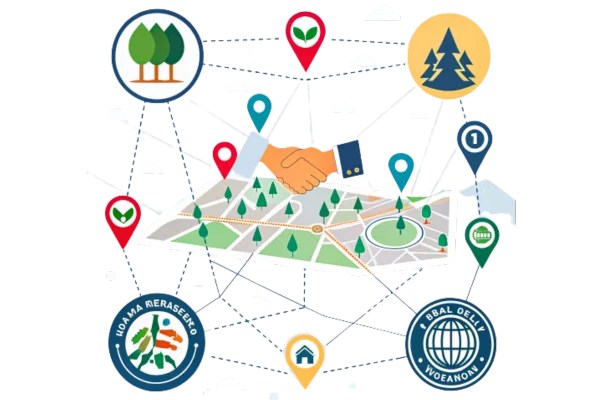
Local link building is one of the most effective ways to grow your business online. When you connect with other local businesses, organizations, or events, you create opportunities to get high-quality links that can boost your website’s visibility. Local links are different from general backlinks because they show search engines that your business is important in your area. These links not only improve your ranking but also bring real customers who are nearby. In this guide, we will explore how sponsorships and partnerships can help you gain these local links in a simple and actionable way.
1. Sponsorships
Sponsoring local events, charities, or organizations is a straightforward method to earn valuable links. Sponsorships allow your business to be mentioned on websites that already have an established audience. This creates both visibility and authority for your brand.
1.1 Community Events
Sponsoring local community events is a great way to build links. For example, if your business supports a local marathon or a school fair, the event website will usually list sponsors with a link to their websites. Tools like Ahrefs or Moz can help you find local event websites where sponsorship opportunities exist. This process works well for small businesses and helps establish credibility. You might also check websites like Eventbrite to find upcoming local events. A healthcare SEO company can benefit from this strategy because local patients often look for businesses involved in their community, and event sponsorships create a natural connection.
1.2 Charities and Nonprofits
Partnering with local charities is another effective method. Charities often have web pages that recognize their sponsors and partners with direct links. By sponsoring a local nonprofit or fundraising event, you show social responsibility while getting SEO benefits. You can find charities through platforms like Charity Navigator or GuideStar. Many nonprofits actively seek support, and linking to businesses encourages a stronger local network. Sponsorship here not only improves your link profile but also creates trust among local customers.
1.3 Schools and Education Programs
Sponsoring schools or educational programs can also provide valuable links. Many schools post sponsors on their websites to thank them. You can support school sports teams, library programs, or scholarship funds. Tools like LinkedIn or local community boards can help identify schools in need of sponsors. These links are usually from .edu domains, which are highly trusted by search engines. This approach also fosters goodwill in your local community while improving your online presence.
1.4 Local Media and Newspapers
Local newspapers, magazines, or online media outlets often cover events and partnerships. By sponsoring content or working with local journalists, your business can earn links from authoritative local media websites. Press release distribution tools like PR Newswire or local news portals can amplify your reach. These links carry weight because local media often has strong domain authority. Additionally, these links attract readers who are genuinely interested in local news and businesses.
1.5 Sports Teams and Clubs
Sponsoring local sports teams or clubs is a classic way to earn links. Team websites often list sponsors, providing both recognition and a backlink. You can find sports clubs through local community centers or social media groups. For example, a small business might sponsor a local soccer club, and the team website would then link to the business website. This strategy works well because sports fans are highly engaged and local links tend to have long-term visibility.
1.6 Arts and Cultural Organizations
Supporting local arts, theater groups, or cultural events can generate links from event and organization websites. Many arts organizations post their sponsors online as a form of appreciation. You can search for local theaters, galleries, or cultural festivals using Google Maps or local directories. These links not only enhance SEO but also position your brand as community-focused. This approach is valuable because it combines online benefits with offline brand reputation.
2. Partnerships
Building partnerships with local businesses or service providers can be another strong source of local links. Unlike sponsorships, partnerships usually involve mutual collaboration where both parties benefit.
2.1 Local Business Collaborations
Collaborating with other local businesses can help both companies by sharing links and audiences. For instance, a coffee shop could partner with a nearby bookstore and promote each other online. Tools like SEMrush or BuzzSumo can help identify potential partners by analyzing their website traffic and authority. These partnerships can also include co-hosted events or bundled services, which provide natural ways to link back to each other.
2.2 Guest Blogging and Content Swaps
Local partnerships can extend to content creation. Guest blogging on a local partner’s website is a method to gain backlinks. For example, a local bakery could write an article for a nearby grocery store’s blog. Apps like WordPress and Medium can facilitate publishing and sharing these posts. It’s a win-win because the partner gets fresh content while your business earns a quality local link.
2.3 Joint Promotions and Giveaways
Running joint promotions or giveaways with other local businesses encourages both websites to link to each other. Tools like Rafflecopter or Gleam can help organize online giveaways and capture entries. The announcement and promotional pages usually include backlinks to the participating businesses. This strategy is effective for engagement and link building at the same time.
2.4 Cross-Promotion on Social Media
Partnerships can also involve social media campaigns. By tagging each other and sharing content, businesses can indirectly drive traffic and create opportunities for backlinks. Social media platforms themselves don’t give direct SEO links, but they can lead to coverage on blogs or local news sites. Apps like Buffer or Hootsuite help manage these campaigns efficiently, making it easier to collaborate consistently.
2.5 Local Directories and Chamber of Commerce
Partnering with local business directories or joining your Chamber of Commerce provides a reliable way to earn links. These directories often have profiles for members with website links. Tools like BrightLocal can help track and manage local directory listings. Being listed also enhances credibility because potential customers see that your business is officially recognized in the community.
2.6 Event Co-Hosting
Finally, co-hosting events with local businesses allows you to share promotion and link opportunities. For instance, two local businesses might organize a weekend fair or workshop together. Both event pages can link back to each business, providing valuable local links. Event platforms like Meetup or Eventbrite can help organize and advertise these collaborations, ensuring better reach and SEO benefits.
3. Conclusion
Sponsorships and partnerships are highly effective ways to build local links that improve your business’s online presence. By supporting local events, charities, schools, and media, you create links that carry authority and credibility. Similarly, forming partnerships with other businesses through collaborations, content swaps, and joint events generates natural backlinks while benefiting both parties. Using tools like Ahrefs, Moz, SEMrush, and BrightLocal makes this process easier to track and manage. The key is to focus on genuine community involvement and partnerships that make sense for your business. Over time, these local links not only improve SEO but also foster trust and recognition within your community.