Understanding How to Earn Backlinks from News Outlets And Health Portals
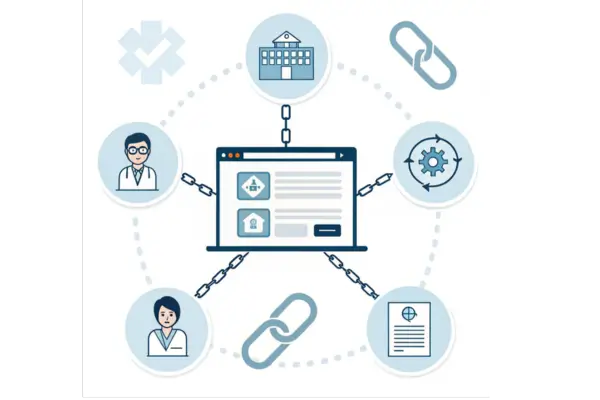
Getting backlinks from trusted news websites and health portals can greatly improve your website’s authority and visibility. Backlinks tell search engines that your content is useful and trusted. But earning these links is not always easy, especially in the medical or health field. This guide explains simple and practical ways to get high-quality backlinks from news outlets and health portals. Each method is described clearly so anyone can follow it step by step.
- Understanding How to Earn Backlinks from News Outlets And Health Portals
- 1. Why Backlinks From News Outlets And Health Portals Matter
- 2. How to Find Opportunities for Backlinks
- 3. Creating Content That Gets Backlinks
- 4. Reaching Out to News Outlets and Health Portals
- 5. Leveraging Guest Posts and Interviews
- 6. Using Press Releases to Gain Backlinks
- 7. Monitoring and Maintaining Your Backlinks
- 8. Working With Professionals for Better Results
- 9. Final Thoughts
1. Why Backlinks From News Outlets And Health Portals Matter
Backlinks from high authority websites are very powerful. They do more than just improve your website’s ranking. They show that your content is trustworthy and valuable. When a respected health portal links to your page, people feel more confident visiting your website. This helps increase traffic, user trust, and credibility.
Not all backlinks are equal. Links from spammy or low-quality websites can harm your rankings. That is why focusing on reputable news outlets and well-known health portals is important. These backlinks tell search engines that your website is a reliable source of information in your field. It also makes it easier to connect with your target audience.
2. How to Find Opportunities for Backlinks
Finding the right websites that can link to your content is the first step in building a strong backlink profile. The goal is to focus on sites that are relevant to healthcare, trusted by search engines, and actively publishing content. Quality backlinks from such sources improve your website authority, boost SEO, and drive more targeted traffic.
2.1 Search for Health-Focused News Sites
Start by identifying news websites that cover health, wellness, nutrition, hospitals, patient care, or medical research. Use search queries like “health news websites,” “medical news portals,” or “wellness news blogs.” Look for sites with author pages, guest contribution sections, or journalist contacts. These are ideal for backlink opportunities because they often accept expert opinions, press releases, or contributed articles. For example, if a local newspaper runs a health column, you could pitch a guest article about seasonal flu prevention or pediatric care tips.
2.2 Check Health Blogs and Portals
Specialized health blogs and portals are highly trusted by readers and search engines. These websites feature research summaries, expert interviews, patient stories, and treatment guides. Make a list of active blogs in your niche and explore collaboration opportunities. You can offer to write guest posts, provide expert commentary, or share case studies. Regular contributions to reputable portals not only earn backlinks but also increase your credibility among patients and peers.
2.3 Analyze Competitors’ Backlinks
Examining competitors’ backlinks can reveal high-quality opportunities you may have missed. Tools like Ahrefs, SEMrush, Moz, or Majestic allow you to see which websites link to competitors’ content. If a competitor has earned a backlink from a well-known medical portal, your clinic can approach the same site with updated or more detailed content. This strategy leverages existing credibility and improves your chances of getting linked.
2.4 Explore Local News and Community Sites
Local newspapers, community blogs, or city-specific portals are excellent sources for backlinks. These websites often feature local health events, new clinic openings, patient success stories, or public health campaigns. By submitting press releases, health tips, or event coverage, you can earn backlinks that improve local SEO and attract patients in your area. Local backlinks also build your reputation as a community-focused clinic.
2.5 Utilize Professional Medical Associations
Professional associations, medical societies, and healthcare organizations often have resource pages, member directories, or blogs where your content can be featured. For example, associations like the American Heart Association, American Diabetes Association, or local medical societies may link to educational guides, research articles, or patient resources you publish. Being listed on reputable association websites enhances authority and drives targeted traffic.
2.6 Leverage Guest Posting Opportunities
Many healthcare blogs and websites accept guest posts from experts. Find sites that actively accept guest contributions by searching for phrases like “write for us” or “submit guest post health blog.” Offering high-quality, informative articles on topics like wellness tips, treatment guides, or patient education can earn authoritative backlinks while showcasing your expertise. Make sure your content is original, practical, and tailored to the audience of each site.
2.7 Identify Resource and Educational Pages
Look for pages that list useful healthcare resources, guides, or references for patients. Educational pages from universities, hospitals, or health organizations often link to informative content. For instance, a “Top Diabetes Care Resources” page might link to a blog with tips on managing blood sugar. Creating well-researched, data-driven content increases the likelihood of earning backlinks from such resource pages.
2.8 Participate in Health Forums and Q&A Sites
Active participation in reputable forums like Healthline Community, MedHelp, or Reddit’s health subreddits can provide opportunities for backlinks. By answering questions and sharing links to relevant, helpful content on your website, you can attract traffic and earn natural backlinks. Always ensure your responses are informative, not promotional, to maintain credibility and follow community guidelines.
3. Creating Content That Gets Backlinks
Having a list of potential websites is only half the work. To earn backlinks, you need content that other websites, journalists, and health portals find useful, informative, and easy to reference. High-quality content is what naturally attracts links because it provides value, builds trust, and positions your website as a credible resource in the healthcare field.
3.1 Write Expert and Valuable Articles
Websites and journalists are more likely to link to content that provides real value to their readers. This could be detailed guides, in-depth research summaries, case studies, or step-by-step treatment explanations. Use simple language, but make sure all medical facts are accurate and easy to understand. For example, a guide explaining “How to Manage Type 2 Diabetes at Home” with diet plans, exercise tips, and FAQs will be far more likely to earn links than a generic overview. Articles that clearly solve a problem or answer common patient questions tend to get shared more, cited by other writers, and referenced by authoritative websites, increasing your chance of earning high-quality backlinks.
3.2 Create Infographics and Visual Resources
Many health websites and news portals love visuals because they make complex medical information easy to understand and share. Infographics, charts, diagrams, or even simple step-by-step visuals can convey information quickly and clearly. For instance, a flowchart showing “The Stages of Heart Disease Prevention” can be included in articles on other sites, with a backlink to your clinic’s website. Tools like Canva, Visme, and Adobe Spark make it easier to create professional-looking visuals without heavy design experience. High-quality, shareable visuals are an excellent way to earn backlinks naturally because other websites are often happy to credit a clear, well-made resource.
3.3 Provide Statistics and Research Findings
Journalists and editors love linking to credible data. If your clinic conducts surveys, gathers patient feedback, or compiles local health statistics, these can become valuable resources for other writers. Ensure that your data is accurate, current, and presented clearly. For example, a local survey on “Childhood Obesity Rates in [City]” with charts and graphs can be cited by news portals or health blogs. Including references, sources, and citations makes it easy for other websites to trust your content and link back to your page, which strengthens your SEO authority.
3.4 Write Evergreen Content
Evergreen content covers topics that remain relevant for a long time, such as “Preventing Heart Disease Through Diet” or “Tips for Healthy Sleep.” These types of articles continue to attract links months or even years after publication because they remain useful. When you create evergreen content with clear instructions, visuals, and reliable information, it becomes a go-to reference for journalists and bloggers, which naturally increases your backlink opportunities.
3.5 Develop Interactive Content
Interactive content like quizzes, symptom checkers, or calculators can significantly increase the likelihood of backlinks. For example, a “BMI Calculator” or “Allergy Symptom Assessment Quiz” can be embedded in other websites or shared by health bloggers who want to provide practical tools for their readers. Interactive content not only engages visitors but also positions your site as an innovative and helpful resource, increasing the chances that others will link back to it.
3.6 Use Case Studies and Patient Stories
Case studies and patient success stories create authentic and relatable content. When shared online, they attract attention from local news sites, community blogs, or health portals. For example, detailing how a patient successfully managed a chronic condition under your clinic’s care, while keeping patient consent in mind, can inspire articles or features that naturally include backlinks. This approach makes your content more compelling, credible, and link-worthy compared to generic content.
4. Reaching Out to News Outlets and Health Portals
Even with great content, outreach is necessary to ensure your website earns backlinks. Simply creating valuable resources isn’t enough; you need to connect with journalists, editors, and site owners in a professional and organized way. Proper outreach increases your visibility and demonstrates that your content is worth linking.
4.1 Build a List of Contacts
Identify journalists, editors, and bloggers who regularly cover health topics. Use platforms like LinkedIn, Twitter, and website contact pages to find email addresses. Make a spreadsheet that tracks their name, email, website, topics of interest, and previous articles. This organization helps you plan outreach systematically and avoid sending repeated messages to the same person. Knowing exactly who to contact and what they cover improves your chances of securing backlinks.
4.2 Write Personalized Emails
Generic outreach emails rarely get responses. Personalize every email by addressing the recipient by name and referencing their work or previous articles. Explain why your content is relevant to their audience and how it adds value. Keep the email short, polite, and professional. For example, you could write: “I noticed your recent article on childhood nutrition. I created a detailed guide with updated research and infographics that your readers might find useful.” Personalized emails show that you have done your homework and genuinely want to provide value, increasing the likelihood of a positive response.
4.3 Follow Up Professionally
Journalists are often busy, so a follow-up email can help increase your chances of a backlink. Wait about a week before sending a polite reminder. Keep it professional and avoid being pushy. A simple follow-up can be: “Just checking if you had a chance to review the guide I shared last week. I think it could be a helpful resource for your readers.” Proper follow-ups show persistence without being intrusive.
4.4 Leverage Social Media Connections
Many journalists and health editors are active on social media. Following them, engaging with their posts, or sharing useful comments can build familiarity before you pitch content. For instance, if an editor posts about mental health awareness, commenting with thoughtful insights or sharing related content from your clinic can help them recognize your expertise when you reach out via email. Social media engagement strengthens relationships and can make your email outreach more effective.
4.5 Offer Exclusive or Unique Content
Offering exclusive insights, reports, or unique visuals can increase the chances of earning backlinks. For example, sharing original survey results, unique research, or community health statistics can be very appealing to journalists. Exclusive content makes your resource valuable and increases the likelihood that editors will link to your site rather than choosing a competitor’s.
4.6 Track Outreach and Results
Keeping track of every email, follow-up, and response is essential for organized outreach. Use spreadsheets or tools like BuzzStream, Pitchbox, or HubSpot to monitor progress. Record which contacts responded, which links were earned, and which strategies worked best. Tracking allows you to optimize future outreach, identify high-performing tactics, and build long-term relationships with journalists and health portals.
5. Leveraging Guest Posts and Interviews
Guest posts and interviews are excellent ways to earn authoritative backlinks. They allow you to provide value to other websites while naturally including links to your content. These strategies not only improve SEO but also establish your clinic or practice as a trusted voice in the healthcare space.
5.1 Write Guest Articles for Health Portals
Many health portals and medical blogs accept guest contributions from experts. To maximize success, pitch topics that align with their audience’s interests and demonstrate your expertise. When creating the article, include links to relevant pages on your website in a natural and non-promotional way. For example, if writing about “Managing Seasonal Allergies,” link to your clinic’s allergy services or related blog posts. Guest articles build authority, provide exposure to new readers, and attract backlinks from high-quality sites.
5.2 Participate in Expert Interviews
Being featured in interviews on health portals or news websites is another way to earn credible backlinks. Journalists often quote specialists and provide links to the expert’s website for further reference. For instance, you might offer insights on “The Benefits of Preventive Health Screenings” and have your clinic linked as a trusted source. Interviews not only generate backlinks but also increase public visibility and strengthen your reputation as a healthcare authority.
5.3 Collaborate with Health Influencers
Influencers in the healthcare and wellness industry often run blogs, podcasts, or social media channels. Collaborating with them on content like joint articles, video discussions, or webinars allows you to tap into their audience. When influencers link to your website from their platforms, it adds credibility and improves your SEO performance. Additionally, co-created content can be promoted across multiple channels, extending reach and engagement.
5.4 Offer Case Studies for Publication
Sharing detailed case studies can be attractive to health portals and professional journals. For example, you could provide a case study on “Successful Recovery After Minimally Invasive Surgery” with anonymized patient data and outcomes. Case studies offer real-world value, making them likely to be referenced and linked by other websites. This approach not only earns backlinks but also demonstrates the practical impact of your clinic’s services.
5.5 Participate in Expert Roundups
Many health blogs and portals create expert roundups—articles where multiple specialists answer a question or provide tips. Contributing to these roundups allows your insights to be included alongside other experts, often with a backlink to your website. For instance, a roundup on “Top Tips for Maintaining Heart Health” could include your expert advice and link to a related blog post on your site. Roundups are relatively easy ways to gain high-quality backlinks while associating your brand with other trusted voices.
6. Using Press Releases to Gain Backlinks
Press releases are still a powerful tool when used strategically. They allow you to announce news, achievements, or studies in a way that is picked up by credible media and health portals, earning backlinks in the process.
6.1 Announce New Studies or Reports
If your clinic conducts research, gathers patient data, or creates in-depth reports, issue a press release highlighting the findings. Many news outlets and health websites monitor press release platforms for stories they can feature. For example, a study on “Local Trends in Diabetes Management” can be shared as a press release, with links back to your website for full access to the report. This helps establish your clinic as a trusted source of medical insights while generating backlinks from authoritative domains.
6.2 Share Awards or Recognition
Recognition such as certifications, awards, or rankings can also be highlighted through press releases. News outlets often feature such achievements, naturally including backlinks to your website. For instance, announcing “Top Pediatric Clinic Award 2025” can increase credibility, attract media attention, and improve local SEO by driving traffic from links placed in relevant articles.
6.3 Distribute Through Trusted Channels
Use reputable press release distribution platforms like PR Newswire, Business Wire, or local news portals. This ensures that your announcements reach high-quality websites and journalists. Avoid mass submissions to low-quality sites, which can harm SEO. A well-targeted distribution maximizes the chance of coverage and backlinks from authoritative sources.
6.4 Announce Community Initiatives
Press releases don’t always have to be about research or awards. Highlighting community outreach, health camps, or free checkup events can attract media coverage. For example, a “Free Heart Health Screening Week in [City]” press release may be featured on local news portals or health blogs, including backlinks to your clinic’s website for registration and information.
6.5 Share Expert Opinions on Current Health Topics
Occasionally issuing press releases that provide expert commentary on trending health issues or public health concerns can attract coverage and backlinks. For instance, providing advice during flu season or updates on vaccination recommendations can make journalists reference your website in their articles. Timely expert insights build authority and often generate high-quality, relevant backlinks.
6.6 Combine Multimedia in Press Releases
Enhance press releases with images, infographics, or videos. For example, a short video demonstrating a new procedure or visual infographic showing study results can make your release more appealing to editors and journalists. Multimedia-rich press releases are more likely to be picked up by media outlets, increasing both backlinks and user engagement.
7. Monitoring and Maintaining Your Backlinks
Getting backlinks is only part of the process. You also need to track, maintain, and optimize them continuously to ensure they continue to benefit your website’s SEO performance and authority. A strong backlink profile requires attention over time to prevent lost opportunities, broken links, or negative impacts from low-quality sources.
7.1 Track Your Backlinks Regularly
Use SEO tools such as Ahrefs, SEMrush, Moz, or Majestic to monitor which websites link to your content. Tracking backlinks regularly allows you to identify which types of content attract links, which outreach efforts are most effective, and whether new high-authority links are being earned. You can also track metrics like domain authority of linking sites, anchor text distribution, and the pages receiving the most links. Staying proactive ensures you don’t miss opportunities and can quickly address issues like lost or broken links.
7.2 Maintain Relationships With Websites
Once a backlink is earned, it’s important to maintain a professional relationship with the site owner, editor, or journalist. You can send updates about new content, offer guest articles, or provide resources that may be useful to their audience. Maintaining these relationships increases the likelihood of receiving additional backlinks in the future and positions your website as a trusted resource. For example, if a local health blog previously linked to your diabetes guide, you could inform them when you publish a new, updated guide with interactive charts and videos.
7.3 Update Linked Content Periodically
Content that is linked to other websites must remain accurate, relevant, and fresh. Outdated or incorrect information can decrease credibility and reduce the willingness of other websites to maintain or add links. Regularly review content that attracts backlinks, update statistics, refresh tips, add new research findings, or improve formatting with visuals. For instance, a linked guide on flu prevention should be updated annually with the current vaccine recommendations, seasonal timing, and links to local clinics.
7.4 Remove Low-Quality or Spammy Links
Not every backlink is beneficial. Links from spammy, irrelevant, or low-authority websites can negatively impact your SEO. Conduct a backlink audit periodically to identify harmful links and disavow them using Google Search Console. Removing these low-quality links protects your website’s reputation and ensures your overall backlink profile remains strong and credible.
7.5 Reclaim Lost Backlinks
Sometimes, backlinks can be removed by other websites due to content updates, site redesigns, or broken links. Use tracking tools to identify lost backlinks and reach out politely to the original source, requesting reinstatement or offering updated content. Reclaiming these links is often faster and more efficient than creating new backlinks from scratch.
7.6 Diversify Your Backlink Sources
Relying on only one type of website for backlinks can leave your SEO strategy vulnerable. Aim to earn links from a variety of sources, including health blogs, local news portals, research institutions, wellness directories, and authoritative forums. A diverse backlink profile strengthens your website’s authority, improves search engine rankings, and reduces the risk of sudden ranking drops if one source removes a link.
8. Working With Professionals for Better Results
While it’s possible to manage backlinks yourself, partnering with healthcare SEO experts can accelerate growth and improve results. Professionals bring knowledge, experience, and industry connections that can make backlink campaigns more efficient and successful.
8.1 Outsource Content Creation for Backlinks
Healthcare SEO professionals can help produce content designed to attract high-quality backlinks. This includes expert guides, case studies, infographics, data reports, and interactive tools. Well-crafted content not only earns links but also increases engagement, dwell time, and patient trust. For instance, a detailed infographic about pediatric vaccination schedules may be picked up by multiple local and national health portals.
8.2 Leverage Press Relations
SEO experts often have contacts with journalists, editors, and media outlets that specialize in health topics. These relationships make it easier to secure backlinks from reputable sources and get featured in trusted publications. For example, an agency might pitch your research study or new patient resource to health journalists who regularly cover similar topics.
8.3 Monitor Competitors’ Backlinks
Professionals can track your competitors’ backlink strategies to identify new opportunities. By analyzing which websites link to competitors, you can reach out with better, more comprehensive content or provide updated research. For instance, if a competitor earned backlinks from a local diabetes awareness portal, your agency can approach the same portal with a more detailed guide that includes videos, patient stories, and updated data.
8.4 Plan Long-Term Backlink Strategy
Experts can develop a structured plan for acquiring backlinks over time, ensuring consistent growth without relying on sporadic outreach. A long-term plan includes regular content creation, outreach campaigns, guest posts, interviews, and press releases scheduled strategically to maintain a steady flow of authoritative links.
8.5 Integrate Backlinks With Overall SEO Strategy
Professional guidance ensures backlinks are integrated with on-page SEO, keyword strategies, and content marketing. This alignment amplifies the impact of backlinks, improves page rankings, and maximizes visibility for targeted services and patient searches.
9. Final Thoughts
Earning backlinks from trusted health websites, news portals, and medical blogs takes time and consistent effort. Focus on creating useful, accurate, and high-quality content, reaching out professionally, and keeping relationships strong. Use guest posts, expert interviews, infographics, and press releases to earn valuable links. Over time, these efforts will increase your website’s authority, bring more traffic, and help more patients find your services online.