Understanding How to Optimize Local Citations and Directories for Multi-Clinic Networks
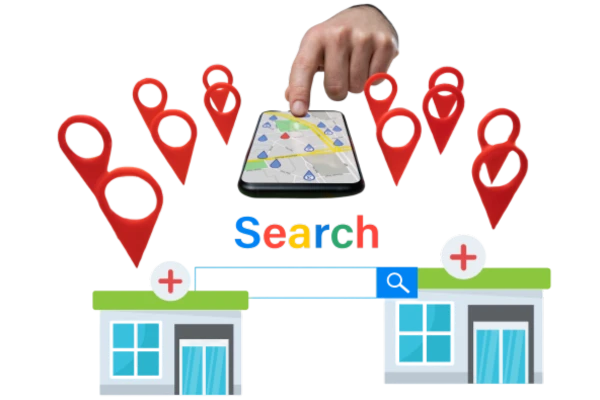
Local citations and directories are a critical part of helping your clinics appear in local search results. For multi-clinic networks, managing citations can feel overwhelming because each clinic has its own address, phone number, and sometimes multiple service specialties. Properly optimizing citations ensures that potential patients can easily find the right clinic at the right location. Citations are references to your business’s name, address, and phone number on websites, apps, or online directories. They act like a map that guides search engines and patients to your clinics. If citations are inconsistent, it can confuse both users and search engines, lowering your visibility. Using tools and apps can simplify this process and help maintain accuracy across multiple locations.
1. Building and Managing Accurate Local Citations
Managing citations for a multi-clinic network starts with accuracy. Accurate citations mean that the clinic name, address, and phone number are exactly the same everywhere online. Inconsistent details can make search engines question which clinic is correct, affecting rankings. One of the first steps is to create a master spreadsheet containing all the details for every clinic. This sheet should include the address, phone number, website URL, operating hours, and special services. Tools like Moz Local, BrightLocal, or Yext can help automatically scan the web and find where your clinics are mentioned and highlight errors or inconsistencies. For example, if one clinic has “123 Main St” listed on Google but “123 Main Street” on Healthgrades, the system can flag it for correction. Consistent citations build trust with both search engines and potential patients, which is essential for multi-location healthcare networks.
1.1 Choosing the Right Directories for Each Clinic
Not every online directory is suitable for every clinic. Some directories are general, like Yelp or Yellow Pages, while others are healthcare-specific, such as Healthgrades, Zocdoc, or Vitals. Choosing the right directories means looking for platforms where patients are actively searching for healthcare services. Using apps like Whitespark or SEMrush can help identify which directories drive the most traffic and rankings for similar clinics. For instance, a dermatology clinic in New York might perform better on Zocdoc and Healthgrades, while a family clinic might rank well on Yelp or Google Business Profile. By analyzing directory traffic and engagement, you can focus on submitting and updating listings where they matter most.
1.2 Ensuring NAP Consistency Across Locations
NAP stands for Name, Address, and Phone number, and maintaining consistency is vital. Search engines like Google use this information to verify a clinic’s existence and location. Any differences, such as abbreviations, extra spaces, or outdated phone numbers, can reduce visibility. Tools like BrightLocal and Yext allow automated checks to ensure NAP consistency across hundreds of directories at once. For example, if your dental network has five clinics in a city, each clinic’s NAP should match perfectly everywhere, including social media profiles. Correcting NAP inconsistencies manually is time-consuming, but these tools can save hours of work while keeping your listings accurate.
1.3 Using Images and Media to Strengthen Listings
Including images of your clinics, staff, and services enhances citations. Many directories allow photos, videos, and even virtual tours. This not only helps patients feel more confident about choosing your clinic but also improves search rankings. Google Business Profile, for instance, prioritizes listings with images and regular updates. Tools like Canva can help create professional photos or graphics for directories, while apps like Google My Business allow direct uploads. Adding consistent branding, such as logos and staff photos, ensures that every clinic has a polished and professional presence online. This is particularly important for multi-clinic networks, where users need to distinguish between multiple locations.
1.4 Leveraging Review Platforms and Feedback
Reviews play a crucial role in local SEO. Positive reviews signal trustworthiness to both search engines and patients. Multi-clinic networks need to monitor reviews across multiple platforms like Google, Yelp, Healthgrades, and Zocdoc. Apps like Podium or ReviewTrackers can automate notifications and help respond quickly to patient feedback. For example, if one clinic receives a negative review about wait times, timely response and resolution can protect your reputation. Encouraging satisfied patients to leave reviews across directories also strengthens each clinic’s citation profile. Balancing reviews across all locations ensures that every clinic benefits from higher credibility and visibility.
1.5 Monitoring and Updating Citations Regularly
Creating citations is not a one-time task. Over time, clinics may change phone numbers, addresses, or services offered. Regular monitoring ensures that listings remain accurate. Tools like Moz Local and BrightLocal allow scheduled scans and reports, highlighting outdated or missing information. For example, if a clinic relocates to a new building, failing to update all directories can confuse patients and affect search rankings. Regular maintenance helps multi-clinic networks maintain high visibility and avoids losing potential patients due to outdated information. Automated tools can send alerts when changes are detected, making it easier to stay current.
1.6 Tracking Performance with Analytics
Tracking the performance of citations is essential to understand what works. Using tools like Google Analytics, BrightLocal, or SEMrush, clinics can track traffic, search impressions, and clicks from directory listings. For example, a cardiology clinic might see most of its website traffic coming from Healthgrades, while another clinic gets more from Google Maps. These insights help allocate resources effectively, focusing on directories that yield the highest patient engagement. Tracking performance allows multi-clinic networks to measure return on investment and adjust strategies based on real results rather than guesswork.
2. Advanced Strategies for Multi-Clinic Citation Optimization
For multi-clinic networks, basic citation management is just the start. Advanced strategies help improve local search visibility and attract more patients. This involves strategic planning, using analytics, and leveraging both general and niche directories. Integrating a healthcare seo company approach can also ensure that your clinics are consistently visible across all platforms. By taking proactive steps, networks can avoid common pitfalls such as duplicate listings or inconsistent information, which can hurt search rankings. Optimizing citations goes beyond accuracy and focuses on using the right tools, content, and strategy to dominate local search results.
2.1 Using Location Pages for Each Clinic
Creating individual location pages on your main website is an advanced strategy. Each clinic should have a dedicated page with unique content, NAP details, operating hours, and services offered. Linking these pages to your citations improves search engine confidence in your clinic’s legitimacy. Tools like WordPress plugins for local SEO, or Yoast SEO, can simplify creating and optimizing these pages. For example, a pediatric network with multiple clinics can have separate pages for each clinic, ensuring patients and search engines know exactly which services are offered at each location.
2.2 Avoiding Duplicate Listings
Duplicate listings confuse search engines and users, reducing visibility. Multi-clinic networks need to identify and remove duplicates on all directories. Tools like Moz Local, Yext, or BrightLocal can automatically scan for duplicates and help merge or delete them. For instance, if a single clinic has three listings with slightly different addresses, this can split reviews and search visibility. Removing duplicates ensures that all patient interactions and citations benefit the correct clinic, improving both search rankings and user experience.
2.3 Leveraging Niche Directories
Beyond general directories, niche healthcare directories can improve visibility. Platforms like Zocdoc, Healthgrades, Vitals, and RateMDs cater specifically to patients looking for healthcare providers. Listing clinics here ensures they reach the right audience. Some directories allow appointment booking, reviews, and special offers. Using apps like SEMrush can help track performance of niche listings and identify which platforms drive the most leads. For multi-clinic networks, investing in niche directories often yields better patient engagement compared to broad general directories.
2.4 Integrating Structured Data and Schema
Structured data and schema markup provide search engines with detailed information about each clinic. Adding schema to clinic pages can display reviews, operating hours, and location on search results, improving click-through rates. Tools like Google’s Structured Data Markup Helper or Rank Math plugin can simplify the process. For example, adding schema for a dental clinic can show operating hours, patient ratings, and address directly in Google search. Multi-clinic networks benefit from structured data because it helps differentiate each location in search results.
2.5 Coordinating Multi-Clinic Reviews
Managing reviews across multiple clinics requires coordination. Tools like Podium, ReviewTrackers, or Birdeye can centralize review management. By analyzing reviews, networks can identify common patient concerns and improve services. For instance, if several clinics report issues with appointment scheduling, network-wide improvements can be implemented. Coordinating reviews ensures that every clinic maintains a strong online reputation while leveraging positive feedback to attract new patients.
2.6 Tracking and Adjusting Citation Strategy
Citation optimization is an ongoing process. Using analytics tools to monitor performance helps adjust strategies for each clinic. Some clinics may benefit more from Google Business Profile, while others gain visibility from Zocdoc or Healthgrades. Regularly reviewing citation performance ensures that resources are focused where they generate the most patient leads. Advanced tools and dashboards allow multi-clinic networks to track all locations simultaneously, making optimization efficient and data-driven.
3. Conclusion
Optimizing local citations and directories for multi-clinic networks is a combination of accuracy, strategy, and monitoring. Ensuring consistent NAP, choosing the right directories, using images, managing reviews, and implementing advanced strategies like location pages and structured data all contribute to higher search visibility. Tools like Moz Local, BrightLocal, Yext, SEMrush, and Podium make managing multiple locations manageable. Multi-clinic networks that actively maintain and monitor their citations can improve online reputation, attract more patients, and grow sustainably. Proper citation management is not a one-time task but a continuous effort to stay accurate, visible, and competitive in local search.