Understanding How to Use Advanced Methods for Voice Search Snippet Optimization
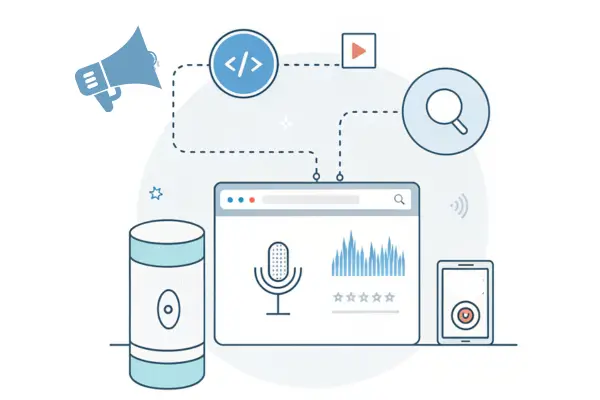
Voice search is becoming very popular. People now use smart speakers, phones, and voice assistants like Siri, Alexa, and Google Assistant to ask questions. This changes how websites get traffic. Instead of typing keywords, people speak natural sentences. Optimizing for voice search is different from regular SEO. In this guide, we will explain step by step how you can use advanced methods to get your website featured in voice search snippets. The steps are simple to understand and can help anyone improve their website visibility.
1. Understanding Voice Search Snippets
Voice search snippets are short answers that voice assistants read aloud to users. They are usually taken from the top search results, but not every page can be chosen. The content must be clear, concise, and well structured. Voice search snippets often answer a question directly in a few sentences. If your page is optimized for this, it has a higher chance of being selected as the spoken answer. Unlike regular search results, voice search results are more conversational. Users often ask complete questions like “What is the best way to treat a cold?” instead of typing “cold treatment.”
Understanding this difference is the first step. Your content needs to match the way people speak. It should use simple language and answer questions directly. This is why many businesses are now consulting a healthcare seo company to help create voice search friendly content.
2. How Voice Search Works
Voice search works by using artificial intelligence and natural language processing to understand spoken questions. When a user speaks into a device, the system listens to the words, identifies the meaning, and searches the internet for the best possible answer. Search engines try to find responses that are clear, accurate, and easy to read. Pages that are simple, well-structured, and trustworthy have a higher chance of being selected as voice answers.
2.1 Understanding User Intent
User intent is one of the most important parts of voice search. People usually ask short, direct questions because they want quick answers. They are not looking for long explanations or complex articles when using voice search. For example, someone might ask, “How can I stop a headache quickly?” They want a short solution like resting, drinking water, or taking safe medicine. When you write content that answers these simple questions clearly and directly, search engines find it much easier to use your page as a voice snippet.
2.2 How Search Engines Choose Snippets
Search engines select snippets based on clarity, relevance, and structure. They scan your page to find sentences that answer a question in the most straightforward way. Pages that use headings, short paragraphs, and organized sections tend to perform better because search engines can understand them more easily. Website reputation also matters. If your page is known for reliable and accurate information, it becomes a stronger candidate for voice snippets. This is especially important for health-related content, where trust plays a major role.
2.2.1 Using Structured Data
Structured data helps search engines understand what each part of your page means. Adding schema markup or FAQ markup gives the search engine more details about your content. For example, if your article includes steps for treating back pain, structured data can highlight those steps clearly. This helps search engines extract the most important information and present it as a voice answer. Using structured data does not change how the page looks to users, but it makes your content easier for search engines to interpret.
2.2.2 Writing Conversational Content
Writing in a conversational tone is very helpful for voice search. Voice assistants read content aloud, so the language needs to sound natural and friendly. Instead of writing in formal or complex language, it is better to write the way people speak. For example, instead of saying, “Adults can manage cold symptoms by consuming warm liquids and resting adequately,” you can write, “You can feel better from a cold by resting, drinking warm liquids, and taking safe medicine.” Conversational writing makes your content easier for search engines to use and more comfortable for users to listen to.
2.3 Keeping Answers Short and Direct
Voice search works best with short and clear answers. Most voice answers are only a few sentences long. If your content includes long paragraphs or complex ideas, search engines may not use it. To optimize your page, try placing a short and direct answer at the beginning of each important section. You can add more detailed information below, but the first lines should give a quick and complete answer. This helps search engines immediately identify which part of your content is suitable for voice search.
2.4 Using Clear Headings That Match Real Questions
Headings that sound like real questions make your content more voice-search-friendly. When your headings match the way users speak, search engines can quickly understand what the section is about. For example, headings such as “What causes dizziness?” or “How can I treat foot pain at home?” align with common voice search queries. Writing short, direct answers immediately under these question-style headings increases the chance of your content being read aloud by voice assistants.
2.5 Improving Content Readability for Voice Search
Readable content is essential for voice search. If your page contains long sentences, difficult words, or too much medical terminology, voice assistants may not choose it. Making your content simple improves user experience and increases your chances of appearing in voice results. Short sentences, clear explanations, and easy language make your information more accessible. When search engines find content that is simple, organized, and helpful, they are more likely to use it for voice answers.
3. Creating Content For Voice Search Snippets
Creating content for voice search requires a different approach than writing for regular search results. Voice assistants read answers out loud, so your content must be clear, brief, and easy to understand within a few seconds. Long paragraphs and complicated explanations do not work well. Instead, you need to organize your information in a way that allows search engines to quickly identify what the user is asking and what the best answer is. When your content is simple, structured, and helpful, it becomes much more likely to be selected as a voice snippet.
3.1 Focus On Question And Answer Format
Using a question-and-answer format is one of the most effective methods for voice search optimization. Voice assistants usually pull answers directly from pages that address specific questions. To apply this method, think about what your audience searches for and write short answers under question-style headings. Each answer should be around forty to sixty words to keep it clear and easy to read aloud. For example, a heading like “How can I lower blood pressure naturally?” can be followed by a clear explanation that mentions simple steps such as reducing salt, drinking water, and practicing relaxation. This format helps search engines immediately identify your content as a potential voice snippet.
3.2 Break Down Steps
When explaining how to do something, always break the instructions into simple steps. Voice assistants prefer short, clear actions because they are easier for users to follow. Instead of writing one long paragraph that contains many ideas, separate each step into its own statement. For example, if you are explaining how to treat mild dehydration, you can break it into steps like drinking water, resting, and checking for symptoms. This type of structure helps search engines extract the steps cleanly for voice results and makes your content more user-friendly.
3.3 Optimize For Local Voice Search
Local voice search is extremely important for healthcare-related websites. People often ask questions such as “Which clinic is open right now?” or “Where can I get an X-ray near me?” To appear in these results, you need to include accurate local details on your website. Make sure your address, phone number, working hours, service areas, and city names are written clearly on your pages. Adding structured data for your business information also helps voice assistants provide accurate local answers. This combination of local SEO and voice search optimization is especially valuable for clinics, hospitals, therapy centers, and pharmacies.
3.4 Use Natural, Conversational Language
Voice search results work best when the content sounds like natural speech. When people talk, they use simple words and short sentences, so your writing should match this style. Avoid overly formal medical language unless it is necessary. If you must use a medical term, include a short explanation so all readers can understand it. Writing in a friendly, conversational tone helps search engines recognize your content as a suitable voice answer. It also improves the listening experience for users because the information sounds smooth and easy to follow when read aloud.
3.5 Place Short Summaries Before Details
Voice assistants often pull the first sentence or two from a section, so it is important to start each topic with a short summary. This summary should directly answer the main question before you go into a longer explanation. For example, if the topic is “What helps with back pain?” begin with a short statement such as “Back pain can be relieved by resting, stretching, and using warm packs.” After that, you can include more details and examples. Starting with a summary makes your content more voice-search-friendly and helps search engines find the exact information they need quickly.
4. Technical Optimization For Voice Snippets
Technical optimization plays an important role in voice search performance. Even if your content is well written, voice assistants may not select it if your website is slow, difficult to read, or poorly structured. Search engines prefer websites that load quickly, work smoothly on mobile devices, and follow proper formatting guidelines. When your site meets these standards, search engines can easily scan your content and deliver it to users through voice results.
4.1 Improve Page Speed
Page speed is a major factor for voice assistants. Fast-loading pages help search engines deliver information quickly, which is essential for spoken answers. To improve speed, you can compress images, reduce unnecessary scripts, and use a reliable hosting provider. A responsive and lightweight website improves user experience and increases the chance that your page will be selected for a voice snippet.
4.2 Make Mobile-Friendly Pages
Since most voice searches take place on mobile phones, your website must be easy to use on smaller screens. A mobile-friendly page uses readable font sizes, proper spacing, and simple layouts that adjust automatically to different devices. When your site is easy to navigate and loads smoothly on mobile, search engines view it as more suitable for voice search results, which can help your content be selected more frequently.
4.3 Use Clear Headings And Lists
Your website should use clean, logical headings so search engines can understand what each part of the page is about. Clear headings guide readers and help search engines identify short, direct answers. Lists such as numbered steps also help organize information, making it easier for voice assistants to read aloud. Structured formatting improves the chances of your content being chosen for a voice answer.
4.4 Strengthen Website Security
Search engines prefer content from secure websites because they want to provide users with safe information. Using HTTPS is essential for protecting user data and building trust. If your site still uses HTTP, voice assistants may avoid selecting your pages even if your content is strong. A secure website signals reliability and increases both user confidence and search engine trust.
4.5 Improve Crawlability And Indexing
For your content to appear in voice snippets, search engines must be able to crawl and index it without difficulty. This means your website should have a clean URL structure, a proper sitemap, and no blocked or hidden pages. When search engines can move through your site smoothly, they can easily identify your content, understand its topics, and deliver it as a relevant voice snippet. Ensuring strong crawlability helps your pages remain accessible and ready for search engines at all times.
5. Advanced Methods For Optimization
Once you have mastered basic content creation and technical improvements, advanced optimization methods can help your pages perform even better in voice search results. These methods focus on understanding how people speak, structuring content with precision, and providing search engines with extra signals that increase the chances of your pages being selected. When used correctly, these advanced techniques make your content clearer, more accurate, and more closely aligned with real user questions.
5.1 Focus On Long-Tail Conversational Keywords
Voice search queries are often longer and sound more natural because people speak differently than they type. Instead of short phrases, users ask complete questions such as “What is the safest way to lower fever quickly?” or “How can I calm stomach pain at home?” Including conversational keywords in your content helps match these spoken queries. This means writing sentences the way people naturally talk, using everyday language, and anticipating common concerns. The more your content mirrors real speech patterns, the more likely it is to be selected by voice assistants.
5.2 Use FAQ Sections Strategically
FAQ sections play a major role in voice search optimization because voice assistants often pull answers directly from short Q&A blocks. Adding an FAQ section that includes multiple common questions gives your page several opportunities to match different voice searches. Each answer should be short, direct, and easy to read aloud, usually in one or two sentences. Covering a wide range of questions such as symptoms, causes, steps, and treatment tips strengthens your content and increases its chances of being selected for multiple voice-based queries.
5.3 Optimize Featured Snippets
Since voice assistants frequently read information from featured snippets, optimizing your content for snippet-style answers is an effective strategy. Start by identifying questions in your niche that already trigger featured snippets in search results. Create content that answers these questions more clearly, more accurately, and in fewer words than competitors. Use proper formatting such as short paragraphs, clear definitions, and step-by-step explanations. This structured approach makes it easier for search engines to extract your content and use it for voice responses.
5.4 Include Schema Markup
Schema markup is an advanced but essential element of voice search optimization. It gives search engines explicit information about your content, making it easier for them to understand the structure and meaning of each section. Applying schema to FAQ sections, HowTo content, medical procedures, and general articles helps clarify topics, steps, and answers. This increases the possibility that voice assistants will select your content because they can confidently identify what each part represents. Proper markup also strengthens your chances of appearing in rich results across search platforms.
5.5 Monitor And Update Content Regularly
Voice search results change frequently because new pages are published every day. To stay relevant, your content must remain accurate, updated, and aligned with current search behavior. Regularly reviewing your pages allows you to refresh outdated information, add new questions, and improve clarity. Updating older content also helps maintain authority and trust. Search engines prefer fresh, reliable information for voice snippets, so consistent updates help your pages stay competitive and continue performing well in voice search results.
6. Tracking And Measuring Success
After you optimize your content for voice search, tracking performance becomes essential. Monitoring results helps you understand which pages are being selected for voice snippets, which queries bring traffic, and where improvements may be needed. With the right tools and consistent evaluation, you can make smarter decisions and strengthen your voice search strategy over time.
6.1 Use Analytics Tools
Tools like Google Analytics, Google Search Console, and Bing Webmaster Tools give detailed insights into how your pages perform. Google Analytics helps you analyze user behavior, time on page, bounce rate, and engagement levels. Search Console shows which queries trigger your pages, including long-tail or question-based searches that often come from voice queries. These tools allow you to spot patterns, identify top-performing content, and refine pages that are not appearing in voice results.
6.2 Monitor Featured Snippets With Specialized Tools
To understand whether your content is being selected as a snippet, platforms like SEMrush, Ahrefs, and Moz provide snippet tracking features. They show which keywords trigger featured snippets, how often your website appears, and when rankings change. Regular monitoring helps you understand which answers are working and which need clearer structure or wording. These tools also let you compare your snippet performance against competitors.
6.3 Measure Engagement
Engagement metrics reveal how users interact with your content after they arrive on your website. Google Analytics, Hotjar, and Microsoft Clarity show how long users stay, how far they scroll, and whether they read the answer fully. High engagement means your content matches user intent and provides value. Low engagement suggests your answers may be too long, unclear, or not formatted in a voice-friendly way. Improving engagement can significantly increase the chances of your content being chosen for voice responses.
6.4 Track Voice Search Queries Specifically
Some tools identify conversational or voice-type queries. Platforms such as AnswerThePublic, AlsoAsked, and Search Console’s “Queries” report help you see what users ask in natural language. These tools highlight questions beginning with “how,” “what,” “why,” and “where,” which are common in voice searches. By reviewing these queries, you can adjust your content to match real speech patterns and create new sections that directly answer these spoken questions.
6.5 Compare Desktop, Mobile, And Voice Trends
Comparing performance across devices is essential because voice searches happen mostly on mobile. Google Analytics shows device-based behavior, allowing you to see whether mobile users stay longer or leave quickly. If mobile performance is weak, your site may need better readability, faster speed, or clearer formatting. By analyzing trends by device type, you ensure your content remains optimized for environments where voice search is most common.
6.6 Review Competitors Using SEO Tools
Competitor analysis tools like SEMrush, Ahrefs, and SurferSEO help you see which competitors hold featured snippets or frequently appear in voice-friendly search results. These tools show keyword gaps, snippet formats, and content structures competitors use. By studying their approach, you can refine your own answers, adjust length, improve clarity, or reorganize steps to provide stronger responses. Consistent competitor monitoring helps maintain your position in voice search rankings.
7. Common Mistakes To Avoid
Optimizing for voice search can be highly effective, but many websites make small mistakes that weaken their chances of being selected for spoken answers. Understanding these mistakes helps you create content that is easier for search engines to process and more helpful for users who rely on short, fast, and accurate answers. When you avoid these errors, your pages become clearer, more organized, and far more useful for voice assistants.
7.1 Writing Too Long Answers
One of the biggest mistakes is writing long, heavy paragraphs. Voice assistants rarely choose lengthy answers because they are difficult to read aloud and may confuse the listener. Users also want quick information, not long explanations. Keeping your answers short, clear, and around 40–60 words makes them easier for search engines to extract. This helps your content sound natural when spoken and allows users to get the information they need without waiting.
7.2 Ignoring Mobile And Page Speed
Voice searches usually happen on phones, which means your website must load quickly and look clean on small screens. If your website is slow, voice assistants may not select it because they prefer fast, reliable sources. A mobile-friendly page with proper spacing, readable fonts, and optimized images creates a smooth user experience. Page speed is also a ranking factor, so improving it helps both voice search and regular SEO.
7.3 Using Complicated Language
Voice assistants prefer simple language because it is easy to read and easy for users to understand. When your content uses difficult medical terms, long sentences, or unnecessary jargon, search engines may skip it for voice snippets. Writing in a clear, conversational tone makes your answers sound natural when spoken. Imagine explaining the topic to someone who wants a fast, friendly answer — that is the tone voice search prefers.
7.4 Forgetting Structured Data
Structured data acts like a guide that tells search engines exactly what your content means. Without it, search engines may not be able to identify your questions, steps, or definitions. Using schema markup for FAQs, HowTo content, and medical information gives your page a strong structure. With proper markup, search engines can understand your content faster and are more likely to choose it for voice answers.
7.5 Not Matching Real User Questions
Another common mistake is writing content that does not match the actual questions people ask. Voice searches are conversational, so users often speak in full sentences like “What is the best way to lower fever at home?” If your headings and answers do not match these natural questions, search engines may not select your content. Understanding user intent and writing direct answers improves your chances of being chosen.
7.6 Ignoring Local Keywords
Local voice searches are extremely common, especially for health-related queries. When your website does not include local information such as your city name, area, nearby landmarks, clinic timings, or services offered, you miss out on important opportunities. Users often ask questions like “Which clinic is open near me?” or “Where is the closest physiotherapy center?” Adding accurate local details helps voice assistants match your location to the user’s query.
7.7 Not Updating Content Regularly
Search engines prefer websites that provide fresh and current information. If your content is outdated, voice assistants may ignore it and choose a newer source. Medical information changes often, so updating procedure steps, health tips, or treatment guidelines is important. Regular updates signal to search engines that your page is reliable and continues to offer accurate guidance.
7.8 Weak Formatting And Poor Structure
Even if your information is correct, poor formatting can prevent search engines from selecting it. Long blocks of text without headings make it harder for voice assistants to understand where the answer begins. Clear headings, short paragraphs, and well-separated sections make your content easier to scan. When search engines can quickly identify the main answer, your chances of being selected increase.
7.9 Not Using Tools To Detect Errors
Many people forget to use tools that can reveal mistakes in their voice search optimization. Tools such as Google Search Console, SEMrush, Ahrefs, and AnswerThePublic help you understand which queries your audience uses and whether your pages appear for those searches. Ignoring these tools means missing valuable insights that can improve your voice snippet performance.
8. Conclusion
Voice search is becoming more common, and preparing your website for voice snippets is important if you want people to find your information easily. The best way to do this is by creating clear and simple content that answers questions directly. When your pages are well-organized, use conversational language, and give short answers, voice assistants can understand them better.
It also helps to add FAQ sections, use structured data, and include long, natural questions that people ask out loud. Good technical settings like fast loading speed and mobile-friendly design make a big difference too. By following these steps, your website becomes easier for both users and search engines to understand, which increases your chances of being chosen for voice search answers.