Understanding How to Use Micro-Moments to Capture Nearby Patient Searches
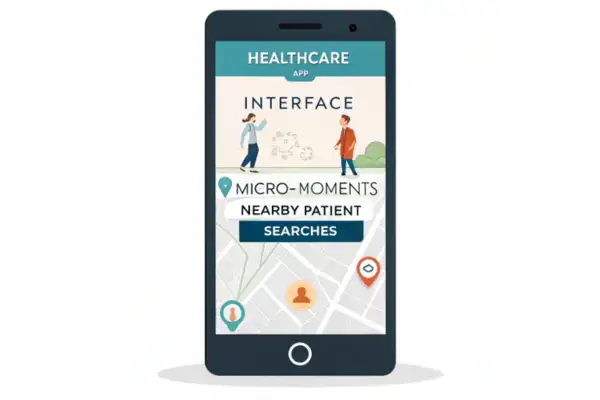
Micro-moments are the tiny opportunities when someone looks for something nearby on their phone, usually because they need information, want to do something, or are ready to act quickly. For healthcare providers, these micro-moments are critical. Imagine a patient searching for “best dentist near me” or “urgent care open now.” If your clinic appears in that moment, you could gain a new patient immediately. Understanding micro-moments means understanding people’s real-time needs and making your services easy to find exactly when they need them. This is where local SEO, tools, and a patient-centered approach come into play, helping you become the go-to solution for nearby searches.
1. Understanding Micro-Moments and Why They Matter
Micro-moments happen when people turn to their phones to act on a need quickly. They can be divided into four main types: “I want to know,” “I want to go,” “I want to do,” and “I want to buy.” For healthcare, this could mean someone searching for symptom information, the nearest clinic, instructions for care, or even booking an appointment. These moments are short and decisive, so your online presence must be immediate, clear, and helpful. Tools like Google My Business, Bing Places, and review apps like Yelp make it easier to show up in these moments. For instance, if someone searches “pediatrician near me,” having accurate location info, updated hours, and positive reviews can instantly attract them.
1.1 Optimizing for Local Search
Local search optimization ensures your clinic appears when someone searches for healthcare services nearby. Using platforms like Google Business Profile allows you to enter detailed information about your services, hours, photos, and even special offers. Apps like Moz Local or BrightLocal help track local citations, verify addresses, and analyze competitors. For example, a small clinic in Dallas can use Google Maps to appear for searches like “urgent care in Dallas,” increasing patient inquiries within minutes. This is not just about being online; it’s about making it easy for nearby patients to choose you over others.
1.2 Creating Content for Micro-Moments
Content tailored to micro-moments answers immediate patient needs. For instance, blogs or FAQ pages addressing common concerns like “how to manage a sudden fever” or “what to expect during a dental cleaning” target the “I want to know” moment. Tools like AnswerThePublic and SEMrush can show what nearby patients are searching for and guide content creation. You can also create short video snippets demonstrating procedures or health tips, which apps like YouTube Shorts or TikTok can promote locally. A healthcare SEO company can help structure content so it is concise, actionable, and optimized for local search, ensuring patients find answers quickly.
1.3 Leveraging Reviews and Reputation
Patient reviews influence decisions during micro-moments. When someone searches “best cardiologist near me,” they often rely on online reviews to make a quick choice. Platforms like Google, Healthgrades, and Zocdoc allow patients to leave feedback. Encouraging positive reviews and responding professionally builds trust. Even small actions like thanking a patient for a review or addressing concerns politely can improve visibility in local search results. Reputation management tools like Birdeye or Reputation.com help monitor and respond to reviews efficiently, making your clinic stand out when timing is critical.
1.4 Mobile Optimization and Speed
Micro-moments mostly happen on mobile devices. If your website is slow or hard to navigate, patients will leave immediately. Mobile optimization ensures pages load fast, contact information is clear, and booking forms are easy to fill. Google PageSpeed Insights and GTmetrix are excellent tools to test performance. For example, a patient searching “walk-in clinic open now” may leave if your site takes more than three seconds to load. Mobile-friendly design increases engagement and patient conversion in real-time searches.
1.5 Using Paid Ads for Immediate Visibility
Sometimes, organic results are not enough. Google Ads and Facebook Ads can target nearby searches quickly. Using location-based targeting ensures your ad appears to users in the surrounding area looking for specific healthcare services. For example, a clinic running a Google Ads campaign for “same-day flu shots near me” can reach patients instantly, capturing urgent demand. Tools like SEMrush or Google Ads Keyword Planner help identify effective local keywords, ensuring your ad budget brings actual nearby patients.
1.6 Tracking and Measuring Micro-Moments
Understanding which searches lead to visits or appointments is crucial. Google Analytics and Google Search Console provide insights into which pages or keywords bring patients to your site. Apps like HubSpot or Salesforce track patient interactions from online searches to booking. For example, analyzing search data may reveal that most patients search “emergency dental care” at night, prompting your clinic to adjust content or ads for that specific window. Measuring performance ensures every micro-moment opportunity translates into real patient engagement.
2. Strategies to Capture Nearby Patient Searches
Once you understand micro-moments, the next step is using strategies that capture them effectively. This means appearing in searches exactly when patients need you, with the right information, and in the easiest format to act on. Being proactive and consistent improves visibility and builds trust. Implementing a mix of local SEO, content, reviews, and mobile optimization makes your clinic the obvious choice for patients nearby.
2.1 Optimizing Google Business Profile
A Google Business Profile is the first place patients look. Ensure your name, address, phone number, hours, and services are correct. Add photos of your clinic and staff to make the profile more inviting. Tools like Moz Local or Synup can ensure your listing is accurate across multiple platforms. Patients searching “nearest physiotherapy clinic” will see your profile at the top if it is optimized correctly. Including booking links or directions makes it easy for them to act immediately.
2.2 Implementing Local SEO Strategies
Local SEO involves targeting keywords with location intent, creating local content, and acquiring backlinks from local websites. Tools like Ahrefs, SEMrush, or BrightLocal help track keyword rankings and optimize content. For example, publishing a blog about “how to handle seasonal allergies in Chicago” can help your clinic appear for local searches. Partnering with local directories or health blogs increases visibility. Consistent NAP (Name, Address, Phone) across the web ensures search engines trust your clinic as a reliable nearby provider.
2.3 Utilizing Review Platforms and Directories
Positive reviews boost credibility and search rankings. Encourage patients to leave feedback on Google, Healthgrades, or Zocdoc. Tools like Birdeye or Reputation.com make monitoring and responding to reviews easier. Real patient experiences influence decisions in micro-moments more than fancy website designs. For instance, someone searching “top pediatric clinic near me” is more likely to choose a clinic with recent positive reviews. Properly managing online reputation converts nearby searches into actual visits.
2.4 Creating Hyperlocal Content
Hyperlocal content targets very specific neighborhoods or nearby areas. Writing blogs like “Dental care options in Downtown Austin” or “Walk-in clinic for headaches in Brooklyn” helps your clinic appear in searches from nearby patients. Tools like AnswerThePublic or Google Trends can reveal what local people search for. Even including local landmarks in your content improves local search relevance. Hyperlocal content addresses immediate patient needs and builds trust, making your clinic the obvious choice.
2.5 Engaging with Mobile-Friendly Apps
Patients increasingly use apps to find healthcare providers. Ensuring your clinic appears in apps like Zocdoc, Practo, or Yelp increases micro-moment capture. Mobile-friendly booking and directions in these apps save patient time and effort. For instance, a patient looking for “dermatologist open now” can quickly book an appointment if your clinic is listed accurately. App visibility complements web presence, making your clinic accessible in multiple micro-moment touchpoints.
2.6 Using Analytics to Adjust Strategies
Analytics shows which strategies bring patients and which do not. Google Analytics, Search Console, or app dashboards track behavior, searches, and conversions. For example, you may find “urgent care near me” searches spike on weekends, guiding ad campaigns or staffing adjustments. A healthcare SEO company can provide insights to optimize your approach, ensuring you capture the most patients from micro-moments effectively.
2.7 Combining Paid and Organic Efforts
Integrating paid search campaigns with organic strategies increases visibility. While organic efforts build trust and long-term presence, paid ads capture immediate attention. Using Google Ads for urgent services while maintaining optimized local content ensures patients find you in every micro-moment. Tools like SEMrush or Google Keyword Planner help coordinate paid and organic strategies to cover all patient searches efficiently.
3. Conclusion
Capturing nearby patient searches using micro-moments requires understanding the types of searches, optimizing your online presence, and providing quick, reliable information. Local SEO, Google Business Profile, review management, mobile optimization, and targeted content all work together to ensure patients find you when it matters most. Tracking performance through analytics and adjusting strategies ensures that every search translates into engagement and appointments. By being present, helpful, and easy to access, your clinic can make the most of micro-moments and attract patients exactly when they need care.