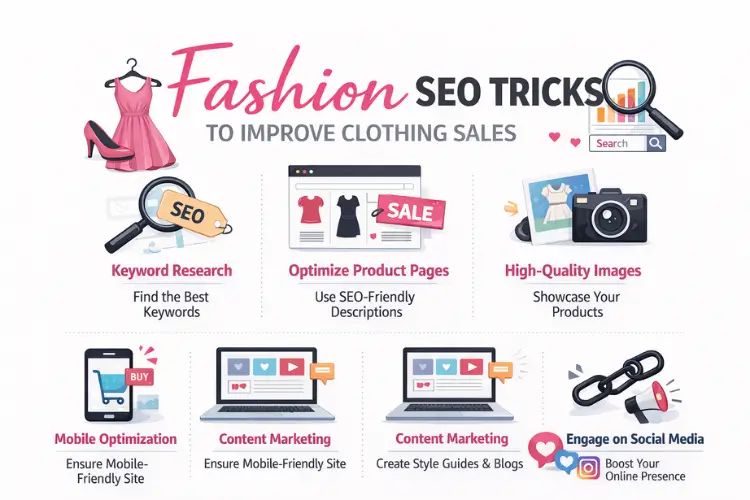
SEO for Fashion Brands: How to Rank Higher & Get More Clothing Buyers
SEO for fashion brands is a clear way to help more people find your clothes when they search online. It is about making your site easy to read for search engines and also easy to use for real people. When your pages match what clothing buyers want, they click, stay longer, and feel safe to buy. With a steady SEO plan, even a small fashion brand can stand next to big names in search results. This guide keeps things simple so you can understand what to do and why it matters. Step by step, you can turn your fashion site into a strong sales channel from search.
1. What SEO Means For Fashion Brands
SEO means search engine optimization, and it is about helping your fashion site show up higher in search results. For clothing brands, this means more people who want clothes can find your products at the right time. It is not magic, and it does not work in one day, but it builds slow and steady power for your store. When you treat SEO like a regular part of your work, it becomes a simple habit, not a big task. This first part explains what SEO is in plain words so you know what you are doing. Once you understand this, all other parts feel much easier to use.
1.1 Simple idea of SEO for clothing brands
The simple idea of SEO is that search engines want to show people the most useful and clear pages first. For a clothing brand, this means your pages should clearly say what kind of clothes you sell and who they are for. Your words, page titles, and product details should make sense and match what real people type when they look for clothes. If you sell casual shirts, your page should talk in simple words about those shirts, materials, colors, and sizes. When search engines see this clear match, they start to trust your site more. Over time, this trust brings more clothing buyers to your pages.
1.2 How search engines read your fashion site
Search engines send small programs, often called crawlers, to visit your site and read your pages. These crawlers move through links, read text, titles, and image details, and then store this data in large indexes. When someone searches for clothes, the search engine looks into this index and decides which pages look most helpful. If your site is easy to move through, with good links and clear words, crawlers can understand it without trouble. When crawlers find broken links or messy pages, they may stop and move on. So a clean, simple site helps both crawlers and people move without stress.
1.3 Why SEO matters for clothing buyers
SEO matters for clothing buyers because it saves them time and gives them better choices. When someone needs a new dress or pair of jeans, they do not want to scroll through many weak results. They want pages that match their taste, budget, and size in a clear way. If your fashion brand understands this and sets up pages to answer real needs, search engines are more likely to show your site. Buyers then see you as a helpful choice, not just another shop in a long list. With good SEO, you connect with people who are already ready to look and buy.
1.4 Key words your buyers type
Keywords are the words and short phrases people type when they search for clothes. They might type things like cotton t shirts for women or black ankle boots for men. When you know these words, you can use them in page titles, product names, and simple descriptions in a natural way. You can use a free tool like Google Keyword Planner to see which clothing words people type often. This helps you pick words that fit your brand and also match real demand. When your pages match these search words, you make it easier for buyers to find the exact clothes they want.
1.5 How SEO fits into your daily store work
SEO fits into your daily store work when you link it to tasks you already do. When you add a new product, you can take a few extra minutes to write a clear title and short text that includes the right words. When you update photos, you can name image files in a simple way that matches the product. When you plan a new collection, you can think about how people search for such styles and add pages that match. This way, SEO is not a separate big project that feels heavy. It becomes a simple habit that grows your fashion brand step by step.
2. Fashion Brands SEO Basics On Your Website
The base of strong Fashion Brands SEO sits on your own website and how it is built. Search engines care about clear structure, useful content, and pages that help visitors move with ease. If your menu is simple, your product pages are tidy, and your words are honest and clear, your site becomes easier to rank. You do not need fancy words or complex tricks to make this work. You just need to think of your site like a shop floor that must be neat and easy to walk through. When the base is strong, all other SEO work gives better results.
2.1 Simple site layout for Fashion Brands SEO
A simple site layout helps both search engines and people move from one part to another without getting lost. Your main menu should have clear sections like new in, tops, bottoms, dresses, shoes, and sale, with words anyone can understand. From each section, visitors should be able to reach sub pages and product pages in just a few clicks. Search engines follow these same paths and use them to understand which parts of your site are most important. When your layout is clean and not too deep, crawlers can see more pages and rank them better. This simple structure is a big part of Fashion Brands SEO.
2.2 Product pages that search engines understand
Product pages are often where people decide to buy, so they must be clear for buyers and search engines. Each product page should focus on one main item and use a simple title that matches what it is, like slim fit blue jeans or linen summer dress. The text should say what the item is made of, how it fits, and why it is useful in daily life. Image names and alt text should describe the item in normal words, not long codes. When search engines see this clear match between title, text, and images, they can place the page in the right search results. This makes it easier for your product to meet the right buyer.
2.3 Category pages that guide people
Category pages bring many related products together in one place, which helps people who are still choosing. These pages should have short text at the top that explains what kind of items are in that group. If the category is dresses, the text can talk about types, fabrics, and occasions in simple language. Filters for size, color, price, and style should be easy to see and use. When people can move around the category page without stress, they spend more time on your site. Search engines see this and take it as a sign that the page is useful, which supports better rankings.
2.4 Simple on page Fashion Brands SEO checks
On page SEO means the settings and text on each page that guide search engines. Key parts include the page title, meta description, headings, and the main body text. The title should be short and clear, and it should include the main clothing keyword in a natural way. The meta description should give a short summary that makes sense and helps people understand what they will see. Headings on the page should guide the reader through the content, not just repeat the same keyword many times. When every page has these basic pieces in place, Fashion Brands SEO becomes much stronger and more stable.
2.5 Mobile friendly layout for clothing shoppers
Most people now look at clothes on their phones, so your site must work well on small screens. A mobile friendly layout means text is big enough to read, buttons are easy to tap, and images load without trouble. Menus should be simple, and people should not need to zoom in and out all the time. If pages take too long to load on mobile, many visitors leave before they even see your clothes. Search engines know this and may rank slow mobile pages lower. When your site is smooth on phones, you make buyers happy and support better SEO at the same time.
3. Creating Content That Clothing Buyers Want To Read
Good content is more than product text, and it can bring a steady flow of visitors to your site. When you write simple guides, tips, and helpful notes related to your clothes, you build trust with buyers. Search engines like pages that answer real needs and keep people reading for some time. For a fashion brand, this means talking about style, fit, care, and trends in clear, kind words. This part shows how to plan such content so it feels useful and honest. When content matches real life needs, SEO works better and buyers feel closer to your brand.
3.1 Blog ideas linked to your clothes
Blog posts give you space to talk about topics that matter to your buyers beyond a single product. You can write about how to choose the right fabric for hot days, how to build a simple wardrobe, or how to care for denim. Each post can softly link to items you sell without sounding loud or pushy. Use words you hear from your customers when they ask about clothes, since these often match search terms. Keep each post focused on one clear topic so readers do not get lost. When your blog is full of such helpful posts, search engines see your site as a good source of fashion advice.
3.2 Style guides that bring steady traffic
Style guides help people see how different pieces work together in daily outfits. You can create guides around seasons, color themes, or types of events, and keep the words simple and direct. Along with clear photos, you can write short notes on how items fit, what they go with, and when to wear them. These guides often match what people look for when they need outfit ideas, so they have strong SEO value. Over time, a good style guide can keep bringing new visitors who discover your brand through search. It also gives current customers more reasons to come back and explore new looks.
3.3 Size and fit help that builds trust
Many buyers worry about size and fit when buying clothes online, so clear help in this area is very useful. You can create content that explains how your sizes compare to common measures and what people should check before they buy. Simple size charts, fit notes, and tips on measuring at home make the process less scary. You can explain how fabrics behave, such as how much they stretch or shrink after washing. When buyers feel sure about size and fit, they are more likely to complete the purchase and less likely to return items. Search engines also value these helpful pages because they solve real problems.
3.4 Using photos and text together
Photos are key for fashion brands, but text helps search engines and buyers understand what they see. Each image should have a clear file name that describes the item, such as red midi skirt front view. The alt text, which is hidden to most users, should also say what is in the picture in plain words. Under or next to images, short captions can give extra detail on fit, fabric, or styling ideas. This mix of photos and simple text gives search engines more clues about your products. It also helps people who skim pages quickly to catch the main points at a glance.
3.5 Keeping content fresh and honest
Content works best when it stays close to what you really offer and believe as a fashion brand. When you create posts, guides, and pages, use your own tone and do not copy from other sites. Over time, update content that feels old, such as guides tied to past seasons or styles you no longer sell. You can add new notes, fresh photos, or updated tips that match your current lines. Search engines like sites that stay active and current, and they see updates as a sign of care. Honest, fresh content keeps both new visitors and old customers coming back to your store.
4. Building Trust And Links For Long Term Growth
Links from other sites act like small signs of trust that point toward your fashion brand. When good sites link to you, search engines feel more safe to show your pages to more people. This part is not about tricks or buying links, because that can harm your site. It is about simple, clean ways to build real connections that also help your SEO. When you focus on trust and value, links grow in a natural way over time. This slow and honest method supports strong search results that last longer.
4.1 Why links act like trust signs
Links are like paths from one site to another, and they show how pages are connected on the web. When a respected fashion blog or news site links to your store, it is a sign that they find your content or products useful. Search engines pick up these signs and count them when they decide how strong your site is. Not every link has the same power, and links from spammy or fake sites can even hurt you. This is why it is better to have fewer good links than many random ones. When you see links as trust signs, you can focus your efforts in a calm and smart way.
4.2 Getting links from fashion blogs in a clean way
One clear way to get links is to share helpful content with fashion blogs and small media sites. You can write simple guest posts that offer styling tips, care guides, or trend notes linked to your clothes. In return, the site may link to a related page on your store so readers can learn more. This works best when the post is truly helpful and not just a long ad for your brand. You should pick blogs whose style and audience match your own, so the link feels natural. Over time, such clean links tell search engines that your brand is active and trusted in the fashion world.
4.3 Social profiles that support Fashion Brands SEO
Social media profiles for your fashion brand can also support your SEO in a simple way. Your profiles on sites like Instagram, Pinterest, or Facebook can link back to your main store and key pages. These links may not be as strong as big news links, but they still help search engines see your brand as more real and stable. When you post new looks or collections, you can share clean links to your site without stuffing them with keywords. People who find you through social posts can then move easily to your shop. This steady flow of visits can support Fashion Brands SEO over time.
4.4 Simple outreach that feels human
Outreach means talking to people who might want to share your content or link to your store. For fashion brands, this can be as simple as sending a short, honest message to a stylist, blogger, or small magazine. You can show them a guide, lookbook, or story you made that might help their readers. The message should be short, clear, and written like a real person, not a script. If they like what you share, they may link to it in their own time. This kind of calm, human outreach builds both links and real relationships that can help your brand grow.
4.5 Avoiding risky tricks with links
Some people still try to trick search engines by buying links or using fake sites that only exist to link to each other. These tricks may give a small jump at first, but they often lead to trouble when search engines catch them. Your site can lose rankings or even be removed from results for a while. This is a big risk for any fashion brand that needs steady traffic to sell clothes. It is safer to stay away from such tricks and focus on clear, honest methods that respect your buyers. When your link profile is clean, you can grow without fear of sudden drops or penalties.
5. Technical SEO Made Simple For Clothing Stores
Technical SEO sounds complex, but for most fashion brands the basics are simple and easy to manage. These parts help search engines crawl your site, load pages fast, and show the right version to users. You do not need deep tech skills to check many of these items and keep them in good shape. When technical issues are fixed, other SEO efforts like content and links work better. Think of this as keeping the back room of your shop tidy so the front can run smoothly. A solid base here supports steady growth for your clothing store.
5.1 Site speed basics for a smooth visit
Fast pages make visitors feel calm and happy, and they also support higher search ranks. You can speed up your site by using smaller image files, simple layouts, and clean code without heavy extras. If your fashion site uses very large photos, you can compress them so they load faster without losing needed detail. Many platforms have basic settings or plugins that help store browser cache and reduce extra scripts. When pages open quickly, people stay longer and look at more products. Search engines watch this behavior and see fast sites as better choices to show in top results.
5.2 Making your store easy to crawl
Crawling means how search engines move through your site and find all your pages. A simple XML sitemap helps by listing your main pages in a clear file that crawlers can read. Your robots.txt file tells crawlers which parts are okay to visit and which can be skipped. Most fashion brands only need to block areas like admin pages or cart steps, not product or content pages. Internal links between related products and categories also help crawlers move around without dead ends. When your store is easy to crawl, more of your clothes and guides can appear in search results.
5.3 Cleaning up broken pages and errors
Broken pages, often called 404 errors, happen when a link leads to a page that no longer exists. Too many of these can confuse both buyers and search engines, making your site look messy. When you remove a product or change a URL, it helps to set a simple redirect to a new, close match. This way, visitors still reach a useful page instead of a blank error. You can use simple error logs or your platform tools to find common broken links. Regular checks and fixes keep your store clean, which helps SEO and makes buyers feel better about your brand.
5.4 Using structured data for products
Structured data is extra code that tells search engines more about your products in a clear, fixed format. For clothing stores, this can include price, size, color, stock level, and review score. When this data is set up, search engines can sometimes show rich results like star ratings or price ranges right in the search list. Many store platforms now have simple settings or apps to add product structured data without hard coding. You can follow basic guides from your platform to turn this on. These small details help your listings stand out and give buyers more trust before they even click.
5.5 Keeping your store safe and on https
A safe site is important for both buyers and search engines, especially when people pay online. Using https means data is sent in a more secure way between the user and your store. Search engines now expect sites, and especially shops, to use https by default. Your host or platform usually gives a simple way to add an SSL certificate and switch your URLs. Once this is done, you should make sure all links and images use the https version so there are no
6. Using Local SEO For Fashion Stores With Physical Shops
Many fashion brands sell both online and from a real store, and Local SEO helps join both sides in a simple way. Local SEO means making it easy for people near your area to find you when they search for clothes and shops nearby. It works well for small and mid size brands that depend on local buyers but still want online reach. When your store details are clear and your reviews look real and kind, people feel more safe to visit. Search engines also trust brands that keep their local details clean and updated. This part shows how to set up basic Local SEO in a simple and calm way.
6.1 Setting up your Google Business Profile
A Google Business Profile is a free listing that shows your shop name, address, open hours, and photos when people search for you. It lets buyers see where you are, how to reach you, and what your store looks like from the street before they come. You should fill in your full address, phone number, website link, and clear category like clothing store or fashion boutique. Add real photos of the store front, inside shelves, and some key pieces so people know what to expect. Make sure open hours are correct and easy to read, and keep them updated during holidays. This simple profile supports SEO for fashion brands by linking online searches to real visits.
6.2 Keeping your name, address, and phone the same
Search engines like to see the same name, address, and phone number for your brand across all places online. This includes your website, Google Business Profile, social pages, and any local listing sites. When these details match, search engines feel sure that all these profiles point to the same real shop. If there are small changes in spelling, old phone numbers, or different short names, it can create confusion for both people and crawlers. Spend some time checking old listings and fixing them so they all match your main format. This simple clean up step makes your Local SEO stronger and more stable.
6.3 Local pages on your fashion site
If you have one or more stores, it helps to create a small local page for each location on your site. Each page can have the store name, address, phone number, map, open hours, and a short note about what lines you stock there. You can also add simple text about the area you serve, like nearby streets, malls, or parts of the city. These pages give search engines clear places to send local users who search for clothing near that area. They also give buyers a quick way to check details before they visit. Over time, these local pages support Fashion Brands SEO for in person shopping.
6.4 Reviews and simple replies
Online reviews give new buyers a sense of trust and show search engines that your shop is active. Ask happy customers in a gentle way to leave honest reviews on your Google Business Profile or other local sites. When reviews come in, make time to reply with short, calm notes that thank people or answer simple points. This shows that your brand listens and cares, which helps both trust and local rank. Do not pay for fake reviews or push people with heavy words, as this can backfire. Real, steady reviews are more useful than many forced ones.
6.5 Connecting local and online offers
Local SEO works best when your in store and online offers support each other. You can show online stock for pick up in store, or allow returns for online orders at your physical shop. On your local pages and business profile, make it clear how these options work in a few plain lines. Share local events, small fairs, or new collection days on your profile and link back to your site. This makes people see your brand as one whole place, not two separate worlds. When local and online blend, your SEO for fashion brands brings both foot traffic and online orders.
7. Planning Seasonal And Launch SEO For New Collections
Fashion runs in seasons, drops, and small lines, and your SEO can follow the same rhythm in a simple way. Seasonal SEO means planning words, pages, and small changes around times when people look for certain clothes more. New collection SEO means giving each drop its own clear space online so it can be found and shared. When you plan ahead, search engines have time to index new pages before demand peaks. This helps your brand show up when people are most ready to buy. A calm plan for each season keeps your Fashion Brands SEO steady all year.
7.1 Planning ahead for busy seasons
Before each big season, take time to think about what people will search for and what you will sell. For example, before summer you might plan pages and text around light dresses, shorts, and cotton shirts in simple terms. Write or update key category pages and a few guides at least some weeks before the season starts. This gives search engines time to find the pages and show them to users when search volume rises. Make a small list of important pages to refresh each season so the work feels clear. Over time, this steady planning makes your site feel alive and ready at the right moments.
7.2 Collection pages that are clear and simple
Every new collection should have its own page that tells a short story and shows the main pieces. The page title can use the collection name and a simple clothing word like winter knitwear line or monsoon rain ready coats. The text should speak in plain words about fabrics, colors, and mood without long hype phrases. Use neat images, short captions, and simple filters so visitors can move around the collection without stress. Keep the URL simple and avoid changing it often so links stay stable. This clear setup lets collection pages build strength across seasons and returns.
7.3 Reusing and updating past seasonal content
Many fashion topics repeat each year, like summer basics, winter layering, or rainy day outfits. Instead of starting from zero, you can update older blog posts and guides on these themes. Add current photos, new product links, and small notes about any change in style or stock. Keep the simple URL and heading, and refresh the date if your platform allows. Search engines like to see that useful content is kept fresh, not thrown away. This method saves time while still giving buyers updated help when they look for seasonal clothing ideas.
7.4 Using simple tools to follow trends
To see what people search for before and during seasons, you can use tools like Google Trends in a light way. Type in a few clothing terms related to your brand and check how interest rises or falls across the year. This helps you choose words for pages and guides that match what people care about at that time. You do not need to chase every small change, but you can adjust a few titles or topics around strong trends. When your words match current search patterns, your pages gain more reach. This keeps SEO for fashion brands closer to real buyer needs.
7.5 Keeping launch work calm and repeatable
Each new launch can feel busy, but your SEO steps for launches can follow a simple pattern. Before launch day, prepare the collection page, update key category pages, and write one short guide or note. On launch day, check that all links work, that pages load well on phone, and that prices show right. After launch, add the main product links in one or two older posts that match the new line. Keep this pattern written down so your team can repeat it for each drop. A calm, repeatable launch plan helps each new line add steady SEO value to your fashion site.
8. Making Social And Email Work With Your SEO
Social media and email are not SEO by themselves, but they can support it in simple and useful ways. When you share good content and product links in these channels, more people visit your site and spend time there. This extra traffic gives search engines more signs that your pages are helpful and active. It also helps new posts and pages get early eyes before they climb in search. By keeping social and email aligned with your SEO plan, you make all channels work together. This part explains how to link them without heavy tools or complex plans.
8.1 Sharing links that lead to useful pages
When you post on social media, think of which pages on your site give the most help to buyers. These may be guides, style notes, or key category pages, not only single products. Share clear links with short, simple text that tells people what they will see when they click. Use the same clean links again over time so those pages keep getting visits. This helps search engines see steady interest in your most helpful pages. Over time, these pages gain strength and can rank better for terms that matter to your fashion brand.
8.2 Saving important posts in highlights or pins
On platforms that allow it, you can pin key posts or save them in highlights so people see them first. These posts can link to your main style guides, care pages, or collection hubs instead of random items. When new people visit your profile, they can use these pinned posts as a simple path into your site. This also means those linked pages get a slow but steady stream of visitors over many weeks. Search engines notice pages that keep drawing visits from outside sources. This simple habit supports your Fashion Brands SEO without extra stress.
8.3 Email newsletters that point to strong content
Email is still a calm way to reach people who already like your brand and want news about your clothes. In your newsletter, you can link to one or two key pages like a new guide, a main category, or a fresh collection page. Use short, honest subject lines and simple body text that tells people why the page may help them. You can use a basic tool like Mailchimp or your store email system to send and track these mails. When readers click through and spend time on your site, it sends good signs back to search engines. Over months, this loop helps your main pages feel more trusted.
8.4 Keeping words and tone the same across channels
SEO for fashion brands works better when your words feel joined and not random across your site, social, and email. This does not mean you must repeat the same line everywhere, but your way of speaking should feel like one clear voice. Use the same simple phrases for key items, like linen shirts or high waist jeans, in all channels where it makes sense. This helps people link the words with your brand in their mind. It also helps search engines see that your site and profiles all talk about the same core topics. A steady voice builds trust on both sides.
8.5 Watching simple numbers from social and email
You do not need deep reports to see if social and email are helping your SEO linked pages. Most tools show basic numbers like clicks on links, open rates for mails, and time spent on the site after people click. You can note these numbers once a month and see which posts or mails brought the most visits and time. Then, you can share similar types of pages more often in the future. This gentle feedback loop helps you use social and email in a way that supports your main SEO plan. It keeps your effort focused on what buyers actually enjoy.
9. Building A Simple SEO Plan For Growing Fashion Brands
As your fashion brand grows, it helps to move from random SEO steps to a clear, simple plan. A plan does not need big charts or long words, it just needs a list of tasks and a calm order. This way, you and your team know what to do each week and month for the site. It also makes it easier to see how each part of SEO fits with photos, stock, and styling work. When SEO is part of your normal process, your online shop grows in a steady way. This part shows how to set up such a plan without making it heavy.
9.1 Listing your main SEO areas
Start by writing down the main areas you want to care for, based on what you now know. These might be on site basics, content like guides and blogs, links and partners, technical checks, and Local SEO if you have a store. Under each area, note a few simple tasks such as updating product titles, posting one guide a month, or checking for broken pages. Keep the list short and clear so it fits on one page or simple document. This list is not fixed forever, but it gives you a base to work from. When you see all areas at once, it is easier to balance your time.
9.2 Setting a calm weekly and monthly rhythm
A rhythm means deciding which SEO tasks happen each week and which happen each month. Weekly tasks might include writing new product text, posting on social with good links, or checking new reviews. Monthly tasks might include reading simple reports, fixing broken links, and updating one or two older guides. You can mark these tasks on a shared calendar or checklist that the team sees. When everyone knows the rhythm, SEO feels less like extra work and more like normal store care. Over time, this regular beat helps your site grow in a clean and steady way.
9.3 Sharing SEO tasks across your small team
If you have a small team, it helps to divide tasks so each person has a clear part. One person might handle product text and photos, another might watch reports and fix simple tech issues, and another might talk with partners for links. The roles do not have to be strict, but some structure avoids confusion. You can have a short catch up every few weeks to see how tasks are going and what feels hard. This talk can lead to small changes in how you share the work. With shared tasks, SEO for fashion brands becomes a team habit instead of one person’s burden.
9.4 Using light tools to stay on track
Simple tools can help you track tasks and keep your plan in one place. You might use a basic sheet, a note app, or a free project tool like Trello or Notion to list pages to update, guides to write, and links to check. You do not need complex SEO software to start, though later you can test one or two if you like. The main goal is to have a clear view of what is done and what is next. This saves time and avoids doing the same task twice. A light system keeps your Fashion Brands SEO plan honest and easy to follow.
9.5 Reviewing and changing your plan once in a while
No plan stays perfect forever, and that is fine. Every few months, sit down with your simple reports and task list and see what is working. If some tasks take too long but give little result, you can drop or reduce them. If some pages or ideas bring strong search traffic and sales, you can add more time there. Note these changes in your plan so the new version is clear to everyone. This slow and open way of review keeps your SEO plan close to real life needs. It lets your fashion brand grow in a natural and steady way.
10. Measuring Results And Planning Next Steps
To keep growing, your fashion brand needs to see what SEO work is helping and what needs change. This means looking at simple numbers like visitors from search, pages they visit, and sales they bring. You do not need complex dashboards or long reports to do this well. A small set of clear checks each month can guide your next steps. When you track and adjust in this calm way, your SEO plan becomes a steady habit. Over time, this helps you get more clothing buyers with less guesswork.
10.1 Setting clear SEO goals for your fashion brand
Clear goals make your SEO work feel real and not vague. These goals can be simple, like getting more visits to your product pages from search, raising sales from search by a small percent, or bringing more visitors to your style guides. Each goal should be tied to numbers you can see and track. For a small fashion brand, even a goal like ten more orders per month from search is useful. Once you choose goals, you can decide which tasks matter most, such as better product text or more content. This gives your daily work a calm direction and helps you avoid random changes.
10.2 Tracking visits and sales from search
Tracking lets you see how many people come from search and what they do on your site. Free tools like Google Search Console show how often your pages appear in results and how many clicks they get. Your store platform or analytics setup can show how many of these visits lead to sign ups or orders. You can look at which pages bring the most search traffic and which ones send people away fast. This simple view helps you decide where to spend more time and care. When you track visits and sales from search, SEO becomes less about hope and more about clear steps.
10.3 Reading simple SEO reports
SEO reports do not need big words or long charts to be useful. A basic report might list your top pages by search traffic, main keywords that bring people in, and key pages with high exit rates. You can review this at the same time each month and write down any changes you see. If a product page suddenly gets more visits, you can think about what helped, such as new photos or better text. If a guide drops in traffic, you can check if it needs an update. This calm way of reading reports keeps you focused on actions that match real data.
10.4 Adjusting your plan month by month
SEO is not a one time job, and small steps over time work better than big, rare pushes. Each month, you can choose a few simple tasks based on what your reports show. This might mean updating text on key product pages, adding one new guide, or fixing some broken links. You do not need to change everything at once, which can cause stress and mistakes. Small, steady updates are easier to manage and track. When you adjust your plan in this way, you give search engines fresh reasons to visit and trust your site again and again.
10.5 Building a small SEO routine for your team
A small SEO routine helps your team remember what to do without guessing each day. You can set simple steps like writing clear titles for new products, checking that new pages work on mobile, and updating one or two old posts each week. These tasks can be part of normal workflows like product launches or content planning. If you have more than one person on the team, you can share tasks so no one feels overloaded. Over time, this routine becomes as normal as checking stock or planning photos. With this steady habit, your fashion brand SEO grows in a stable, calm way that brings more clothing buyers to your store.